


PFAS (per- and polyfluoroalkyl substances)
PFAS (perfluoro and polyfluoroalkyl substances) are often referred to as "permanent chemicals" and cover tens of thousands of compounds, including PFOA and PFOS. These chemicals are widely used in non-stick pan coatings, waterproof textiles, fire-fighting foams and electronic components.
Due to their non-degradable, highly bioaccumulative nature, and clear association with cancer, immune system damage and reproductive toxicity, multiple industries are phasing them out.
As the public's awareness of human health and environmental protection continues to increase, the elimination of fluorinated compounds has become a top priority. This is particularly evident in the textile industry, where fluorine-free waterproofing, PFAS-free packaging and non-fluorine materials are becoming new industry benchmarks. In the waterproof and breathable membrane industry, high-performance fluorine-free membranes are being actively developed. For example, Gore-Tex has replaced ePTFE with ePE. In addition, other high-performance membrane materials have also matured and become emerging industry solutions.
1. PP (polypropylene) microporous membrane
The single-layer film uses bidirectional stretching technology to form a microporous structure with a moisture permeability of up to 100,000 g/square meter/24 hours (B1 method) and a waterproof depth of up to 10,000 mm. The entire production process does not contain PFAS and chemical solvents. The only combustion by-products are carbon dioxide and water. The film has low density and excellent light weight properties, and is mainly used for outdoor clothing and sports equipment.
2. Nanofiber Spun Membrane
The membrane uses electrospun "nanofiber" technology, which has waterproof, breathable and tensile properties, and can replace traditional fluorinated polytetrafluoroethylene (PTFE) membranes. It not only has excellent moisture permeability, but also has slightly lower hydrostatic pressure resistance. Widely used in outdoor clothing that requires high breathability.
3.PU Microporous Membrane
The product uses polyurethane (PU) as a substrate and is made through a wet phase separation process to form a microporous structure with a pore size usually between 0.1 and 10 microns. These interconnected micropores allow water vapor molecules to pass through freely, effectively expelling moisture (sweat) and providing a dry and comfortable wearing experience. At the same time, these pores are small enough to block liquid water and larger particulate matter (such as dust), providing a reliable water/pollution barrier. The main application areas include outdoor sportswear (hard-shell jackets, ski suits, mountaineering equipment), protective clothing, military uniforms, medical protective clothing, and footwear parts.
In addition, the EU's comprehensive ban on the use of PFAS (perfluoroalkyl compounds)(which will take effect in 2025) and China's Plastic Pollution Control Action Plan (which requires a recycled material content of ≥30% by 2026) 38 are accelerating technological transformation. The global environmental protection film industry is rapidly transforming into a three-way model of "fluorine-free → biobased → recycling", and technological breakthroughs and regulatory compliance have become core competitive advantages.
Featured News
-
 How is TPU membrane used in textiles
TPU membrane is commonly used in textiles as a laminate or coating to enhance the performance of fabrics. Here are some ways in which TPU membrane is utilized in textile applications: Waterproof and ...
-
 PES membrane to meet the trend of mono material concept
PES membrane , also short of polyester membrane , is also called TPE membrane or TPEE membrane ,PBT membrane . It is a kind of polyester film , with good extensibility , good abrasion , high MVTR (moi...
-
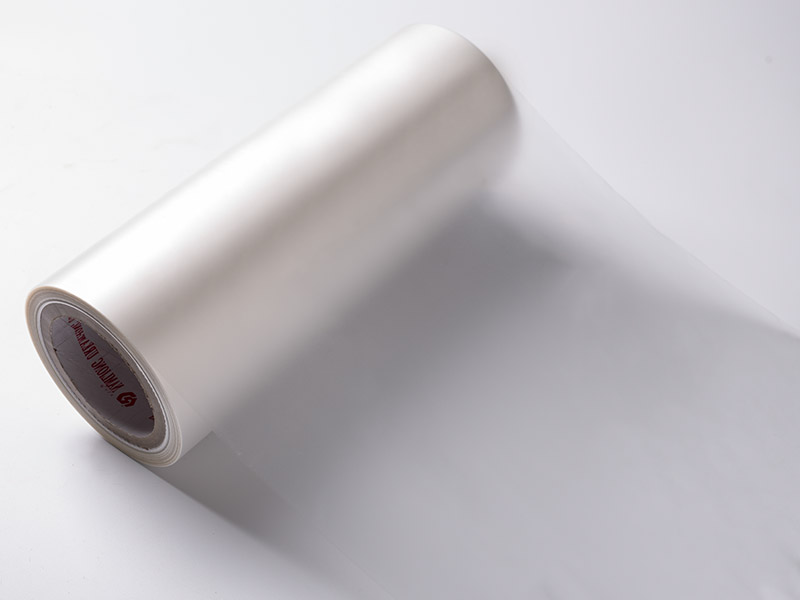 What are the characteristics of TPU film
TPU is more environmentally friendly than PVC. TPU and Hyundai's concept of environmental protection are attracted to each other and are loved. Regarding the characteristics of TPU film, we specially ...
-
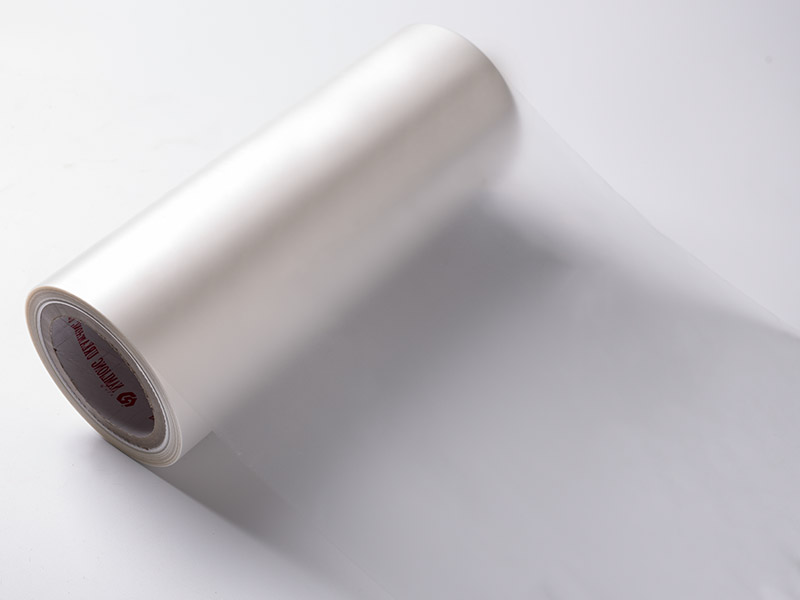 Advantages of TPEE film
TPEE film is a non-porous hydrophilic film made of thermoplastic elastomer,a kind of PE(Polyethylene terephthalate) film.It has excellent moisture permeability and high waterproof strength,after lamin...
-
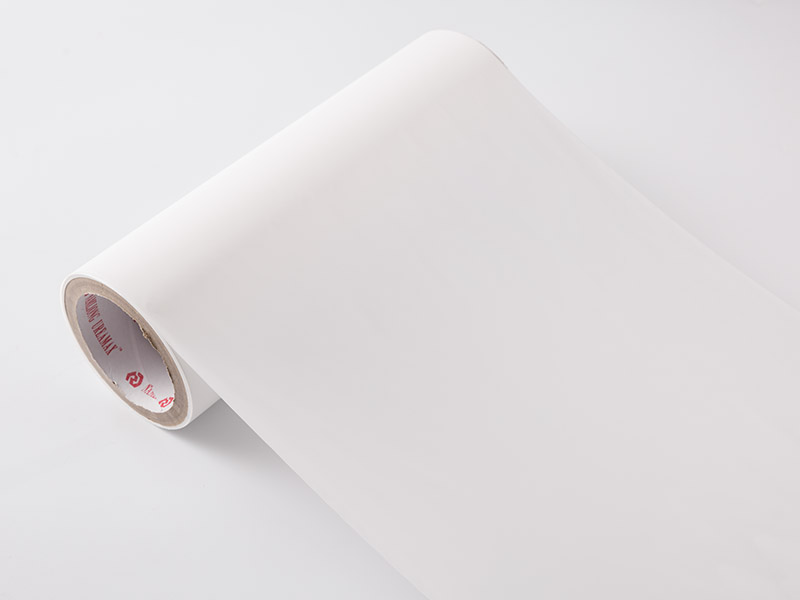 What is the difference between TPU and PU membrane?
The Difference Between TPU and PU Membranes: A Comprehensive Guide Introduction In the world of polymers, TPU and PU membranes hold significant positions due to their unique properties and wide range...
-
Choosing the Right Polyurethane Film for Your Project
When undertaking a project that requires the use of specialized films, opting for the right material is crucial for ensuring optimal performance and cost-effectiveness. Among the myriad of options ava...



Copyright © Jiaxing Nanxiong Polymer Co., Ltd.TPU Film Manufacturer