


Green PFAS-free micro porous membranes for fabric lamination
-
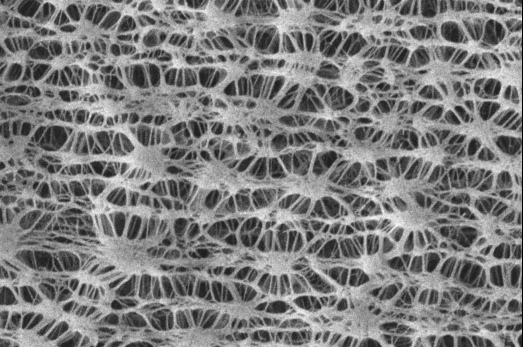
1. PP (polypropylene) microporous membrane:
-
2. Nano-fiber spinning membrane
-
3. Polyurethane microporous membrane
Featured News
-
 Tryemax® TPEE film series
Tryemax® , a self-owned trademark newly registered by Nanxiong Polymer Co.,Ltd , it shows our determination to be the top manufacture of TPEE film in this industry .Since founded in year 2007 , Ji...
-
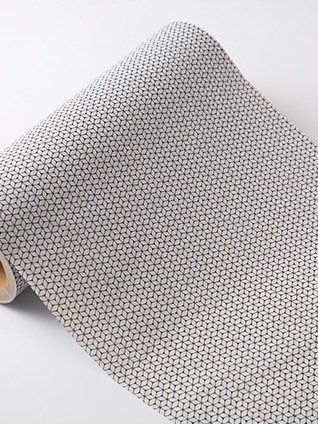 TPU film can be used to make which products
TPU film is one of the more widely used types of film, which not only has strong abrasion resistance, water resistance, but also has a certain viscosity, which can be used not only for the production ...
-
 recycling concept of TPEE film
PET ,Polyethylene terephthalate,PET , short of Polyethylene terephthalate , is commonly known as polyester resin , it is a very important variety of thermoplastic polyurethane , and mostly used for fi...
-
 Introduction to Polyurethane
Polyurethane (PU) is the abbreviation of polyurethane, which is made of polyisocyanate and polyhydroxy polymer addition, and is a polymer compound containing many repeated carbamate chain segments (-N...
-
 Is a polyurethane membrane waterproof?
The construction industry continually seeks materials that offer durability, flexibility, and efficiency. Among these materials, the polyurethane waterproofing membrane stands out due to its diverse a...
-
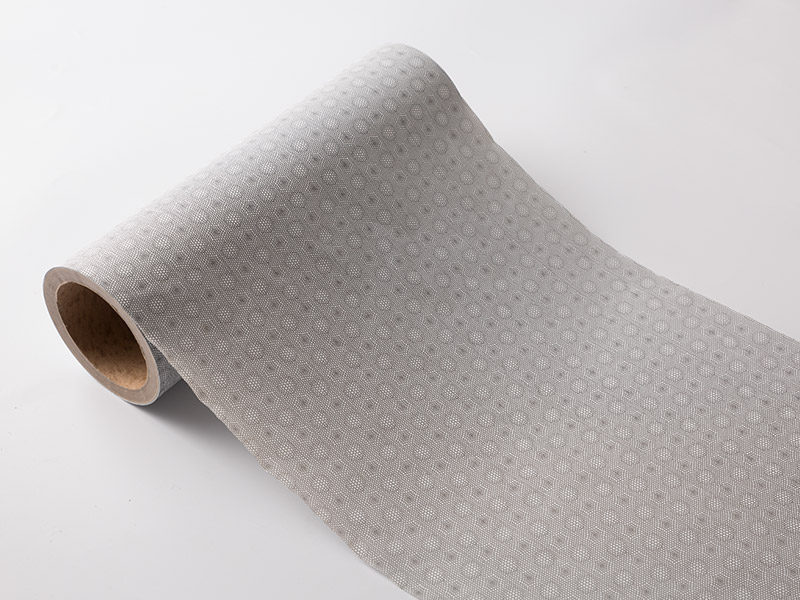 What are the different types of TPU films?
Thermoplastic polyurethane (TPU) films are a versatile and highly sought-after material used in various industries due to their unique properties, such as elasticity, transparency, and resistance to o...



Copyright © Jiaxing Nanxiong Polymer Co., Ltd.TPU Film Manufacturer