


What is the thickness of polyethylene membrane?
Polyethylene membranes are fundamental components in numerous industrial and environmental applications, serving as critical barriers and protective layers. Understanding the significance of their thickness is pivotal for optimizing performance and ensuring the longevity of these membranes. This comprehensive article explores the various facets of polyethylene membrane thickness, delving into its impact, measurement, and application-specific requirements.
Introduction to Polyethylene Membranes
● Overview of Polyethylene Materials
Polyethylene is a versatile polymer, widely embraced for its robust physical properties, including chemical resistance, flexibility, and durability. As a result, polyethylene membranes are employed across multiple sectors such as construction, agriculture, aquaculture, and especially in waste management and environmental protection. These membranes act as impermeable barriers, containing liquids and preventing contamination, which makes their structural integrity and thickness crucial.
● Common Applications and Uses
The applications of polyethylene membranes are diverse, ranging from waterproofing and lining of ponds and landfills to usage in petrochemical plants. The adaptability of these membranes in various environments underscores the importance of understanding their thickness specifications for optimal functionality.
Importance of Thickness in Polyethylene Membranes
● Impact on Durability and Functionality
The thickness of a polyethylene membrane directly influences its durability and ability to serve its intended purpose. A thicker membrane generally provides enhanced resistance to punctures and tears, which is vital in high-stress environments. Conversely, excessive thickness can lead to unnecessary material costs and potential handling difficulties, making it essential to ascertain the optimal thickness for each specific application.
● Relevance to Specific Applications
Different applications impose distinct demands on membrane thickness. For instance, membranes used in landfill sites require substantial thickness to withstand the pressure and chemical exposure, whereas those employed in agriculture for water retention purposes might demand less thickness.
Standard Thickness Measurements
● Overview of Thickness Range (0.012 to 0.03 inches)
The thickness of polyethylene membranes typically ranges from 0.012 inches to 0.03 inches, offering flexibility in application. Industry standards often dictate these specifications, ensuring consistent performance across varying use cases.
● Typical Industry Specifications
Industry standards are critical in maintaining quality and consistency. Specifications for thickness often hinge on factors such as the membrane’s intended use, environmental conditions, and regulatory requirements. Manufacturers, such as a polyester membrane manufacturer or a polyester membrane supplier, adhere to these standards to deliver reliable products in wholesale polyester membrane markets.
Factors Influencing Membrane Thickness
● Material Composition and Production Techniques
The composition of the polyethylene and the process by which the membranes are manufactured significantly affect the thickness and quality. Advanced techniques in polymer science and manufacturing enable the production of membranes with tailored thickness to meet specific needs.
● Application-Specific Requirements
Each application imposes unique requirements on membrane thickness. Environmental factors, chemical exposure, and mechanical stressors often dictate these requirements, necessitating a thorough understanding and consideration during the selection process.
Comparison of Thin vs. Thick Membranes
● Pros and Cons of Varying Thicknesses
Thin membranes offer advantages in cost-effectiveness and ease of installation but may lack the robustness needed for certain applications. On the other hand, thicker membranes provide superior protection and longevity but could incur higher costs and complexity in handling and installation.
● Suitability for Different Environments
Choosing between thin and thick membranes requires evaluation of the environment where they will be used. Factors such as soil type, exposure to elements, and potential mechanical stress play essential roles in this determination.
Methods for Measuring Membrane Thickness
● Techniques and Tools Used in Measurements
Precise thickness measurement is crucial for quality assurance. Techniques such as micrometer readings and non-destructive testing methods are commonly employed to ensure membranes meet required standards.
● Importance of Accurate Thickness Measurement
Accurate thickness measurement ensures compliance with industry standards and the membrane's suitability for its intended application. It helps polyester membrane manufacturers maintain quality control, reinforcing trust with their clients and minimizing risk of product failure.
Role of Thickness in Environmental Protection
● How Thickness Affects Barrier Properties
A membrane's thickness directly relates to its impermeability and barrier efficacy. Thicker membranes offer superior resistance to chemical penetration and mechanical damage, crucial for applications like landfill liners where environmental protection is paramount.
● Real-World Implications for Environmental Safety
In real-world scenarios, appropriate membrane thickness can prevent hazardous leaks and contamination, safeguarding natural resources and human health. The environmental safety provided by these membranes plays a critical role in sustainable industrial practices.
Advances in Polyethylene Membrane Technology
● Innovations Leading to Varied Thickness Options
Technological advancements in polymer science have led to the development of polyethylene membranes with varied thicknesses, enhancing their adaptability across different industries. Innovations in material engineering allow for more efficient production and superior product performance.
● Emerging Trends in Membrane Production
Trends such as sustainable production processes and the incorporation of recycled materials are increasingly influencing the production of polyethylene membranes. The emphasis on green technology is shaping future developments in this field, benefiting polyester membrane factories and consumers alike.
Customizing Membrane Thickness for Projects
● Considerations for Selecting Appropriate Thickness
Project-specific requirements necessitate careful consideration when selecting membrane thickness. Factors such as project duration, environmental conditions, and compliance with legal standards must be evaluated to ensure the choice of optimal thickness.
● Case Studies of Tailored Thickness Applications
Real-world case studies illustrate how tailored membrane thickness can address unique project challenges, providing insights into best practices and successful implementations.
Future Directions in Membrane Thickness Research
● Potential Developments in Material Science
Ongoing research in material science promises further advancements in membrane technology. Enhanced properties such as increased flexibility, strength, and environmental resistance are on the horizon, driven by research and development in polyester membrane suppliers and manufacturers.
● Forecasting Industry Trends and Needs
The demand for more efficient and sustainable membrane solutions is expected to grow, guiding future research and development efforts. Understanding these trends will enable industry players to stay ahead of the curve, delivering innovative solutions that meet evolving market demands.
Conclusion
In summary, understanding the thickness of polyethylene membranes is essential for optimizing their performance across various applications. While industry standards provide guidelines, the selection of appropriate thickness must consider application-specific requirements and environmental factors. As technology advances, the potential for more innovative and sustainable membrane solutions continues to expand, promising enhanced performance and environmental benefits.
A Special Mention: Jiaxing Nanxiong Polymer
Inheriting the core values of Nanliang’s group, Jiaxing Nanxiong Polymer is committed to environmental and employee welfare. With a focus on innovation and sustainability, this company plays a pivotal role in the development of protective materials across industries, including sports, leisure, and medical sectors. The company is renowned for its adherence to international quality and environmental standards, collaborating with globally recognized brands to deliver top-notch products in the field of polyester membranes and beyond.

Featured News
-
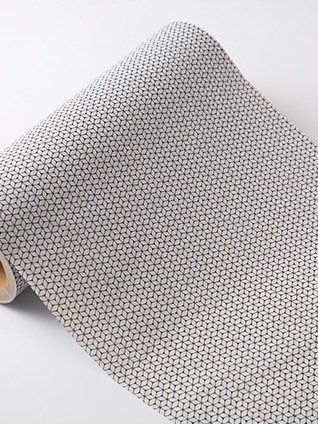 TPU film can be used to make which products
TPU film is one of the more widely used types of film, which not only has strong abrasion resistance, water resistance, but also has a certain viscosity, which can be used not only for the production ...
-
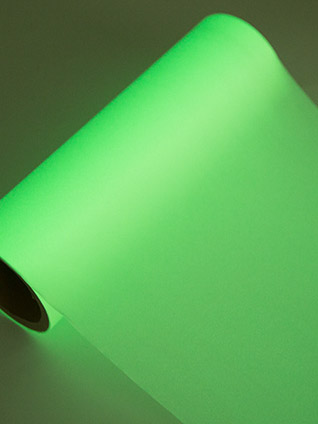 What are the advantages of TPU fabrics?
Advantages of TPU:1. Excellent wear resistance. Especially under the working conditions where there are wetting media such as water and oil, its wear resistance is often several times and dozens of ti...
-
 Invitation to the 22nd South Korea Daegu International Textile Expo "Preview In DAEGU 2024"
The 22nd South Korea Daegu International Textile Expo "Preview In DAEGU 2024" will be held in Daegu, the textile production base, on March 13, 2024, for three days (March 13-March 15).This is a profes...
-
 Can TPU be recycled?
Thermoplastic Polyurethane (TPU) is a versatile material that finds applications in various industries, thanks to its excellent properties such as flexibility, durability, and resistance to abrasion. ...
-
 Bio-based membrane is the hope for green and sustainable development
Sustainable development is the goal of all enterprises , bio-based materials are gradually becoming a dazzling star in the field of materials science. In membrane industry , bio-based TPU membrane pla...
-
 What is the best type of waterproofing membrane?
Introduction Waterproofing membranes play a crucial role in preserving the structural integrity of concrete buildings and other infrastructures by preventing water intrusion, which can lead to severe ...



Copyright © Jiaxing Nanxiong Polymer Co., Ltd.TPU Film Manufacturer