


What is the best type of waterproofing membrane?
Introduction
Waterproofing membranes play a crucial role in preserving the structural integrity of concrete buildings and other infrastructures by preventing water intrusion, which can lead to severe damage and expensive repairs. From commercial high-rises to residential homes, selecting the right waterproofing solution is essential for building sustainability and longevity. This article delves into the various types of waterproofing membranes available and explores which might be considered the best option under different circumstances. We will focus on key types of membranes, including polyurethane (PU) waterproofing membranes and provide insights into the advantages and applications of each type.
Understanding Polyurethane Membranes
● Benefits of Polyurethane for Waterproofing
Polyurethane (PU) waterproofing membranes are highly regarded in the industry for their exceptional properties. As a versatile and robust material, they offer superior flexibility and crack-bridging capabilities, making them a preferred choice for many applications. PU membranes are especially valued for their resistance to water, chemicals, and UV radiation, which ensures a long-lasting barrier against environmental elements. These membranes form a seamless, impenetrable layer, providing comprehensive coverage that is critical for effective waterproofing.
● Applications and Limitations of Polyurethane
PU waterproofing membranes are commonly used in areas such as roofs, terraces, and balconies, as well as wet areas like bathrooms and kitchens. Their seamless application makes them ideal for large surfaces and irregular shapes, which can be a challenge for other types of membranes. However, PU membranes can be more costly compared to other waterproofing solutions like cementitious or acrylic options. Moreover, in environments with extreme temperatures or prolonged exposure to direct sunlight, the performance of PU membranes can be compromised, necessitating additional protective measures.
Exploring Crystalline Waterproofing
● How Crystalline Waterproofing Works
Crystalline waterproofing technology employs special chemicals that react with the cement components in concrete, creating a crystalline structure within the concrete's pores. This structure blocks water pathways, effectively making the concrete itself watertight. Unlike surface coatings, crystalline waterproofing becomes an integral part of the concrete matrix, offering the advantage of self-sealing micro-cracks that develop over time.
● Advantages and Common Uses
Crystalline waterproofing is celebrated for its durability and ability to enhance concrete's resilience against freeze-thaw cycles. It is commonly used in foundations, basements, tunnels, bridges, and swimming pools due to its long-lasting protection. Additionally, the environmentally friendly nature of this method, which does not involve harmful chemicals or heavy equipment, makes it appealing for a variety of projects.
Cementitious Coatings and Their Uses
● Components and Application Process of Cementitious Coatings
Cementitious coatings are made from a blend of cement, sand, and chemical additives, such as acrylic or latex, which enhance the coating's flexibility and adhesion. These coatings create a dense, impermeable barrier on the concrete surface, preventing water penetration. They are straightforward to apply, often requiring no more than a brush or trowel, making them suitable for both interior and exterior surfaces.
● Suitable Environments and Potential Drawbacks
Cementitious coatings are popular for waterproofing walls, roofs, and floors due to their affordability and ease of application. They are breathable, allowing trapped moisture within the structure to escape without damaging the coating. However, in environments with high hydrostatic pressure or areas prone to heavy rainfall, cementitious coatings may not perform as effectively as other solutions, such as crystalline waterproofing or membrane systems.
Durability of EPDM Rubber Membranes
● Benefits of EPDM for Concrete Waterproofing
EPDM (Ethylene Propylene Diene Monomer) rubber membranes are known for their durability, flexibility, and resistance to weather conditions. These features make EPDM membranes a cost-effective waterproofing solution that requires minimal maintenance. Their high flexibility allows them to conform to irregular surfaces, ensuring a watertight seal.
● Typical Applications and Limitations
EPDM rubber membranes are particularly effective for flat or low-slope roofs, especially in commercial buildings where their long lifespan and resistance to UV rays and temperature fluctuations are advantageous. While EPDM offers excellent protection, it can be vulnerable to punctures from sharp objects and may shrink or crack under high temperatures. Furthermore, EPDM is not as energy-efficient as some other roofing materials, which may require consideration in certain climates.
Advantages of Rubberized Asphalt
● Composition and Benefits of Rubberized Asphalt
Rubberized asphalt is an innovative waterproofing solution that incorporates ground rubber from recycled tires into asphalt, enhancing its flexibility and durability. This combination enables rubberized asphalt to absorb stress and vibrations, making it less prone to cracking and rutting compared to traditional asphalt.
● Installation Challenges and Considerations
While rubberized asphalt offers increased longevity and improved skid resistance, it comes with higher initial costs and requires specialized equipment and skilled personnel for installation. Despite these challenges, the benefits in terms of reduced noise pollution and enhanced safety make it a compelling option for specific applications.
Thermoplastic Membranes: Features and Applications
● How Thermoplastic Membranes Function
Thermoplastic membranes are made from polymers that become pliable when heated and solidify upon cooling. This property allows for easy installation and the creation of a continuous, seamless sheet with excellent water resistance. The membranes are also resistant to a variety of chemicals, UV radiation, and temperature extremes.
● Suitability for Different Waterproofing Projects
Thermoplastic membranes are particularly suitable for projects requiring high chemical resistance and durability. They are often used in environments with complex geometries or where a seamless barrier is essential. However, these membranes can be susceptible to punctures, highlighting the importance of careful installation and maintenance.
Bituminous Membranes: Popularity and Performance
● Market Dominance and Application Versatility
Bituminous membranes are among the most widely used waterproofing solutions, dominating a significant share of the global flat roof market. Their effectiveness lies in their customizable nature, achieved by combining different materials to cater to specific waterproofing needs.
● Benefits and Installation Considerations
Bituminous membranes provide a durable and long-lasting barrier against water penetration, significantly extending the lifespan of concrete structures. Their flexibility allows them to adapt to the movement of the structure, making them suitable for varied applications. However, proper installation and maintenance are critical to maximizing their effectiveness.
Silicone Sealants for Concrete Waterproofing
● Chemical Properties and Effectiveness of Silicone Sealants
Silicone sealants create a flexible and durable seal that is highly effective in preventing water penetration. Their unique chemical structure allows them to form a strong bond with concrete surfaces, sealing gaps and cracks effectively. This flexibility is crucial for accommodating the natural expansion and contraction of concrete materials.
● Applications and Durability in Various Settings
Silicone sealants are suitable for both indoor and outdoor applications due to their high resistance to UV rays and water. They are commonly used in settings where flexibility and durability are desired, providing reliable long-term waterproofing solutions for concrete structures.
Selecting the Best Waterproofing Membrane
● Factors Influencing Membrane Choice
Selecting the best waterproofing membrane depends on several factors, including the specific environmental conditions, structural requirements, and budget constraints. Considerations such as flexibility, durability, chemical resistance, and ease of installation play a significant role in determining the most suitable solution.
● Comparing Options Based on Specific Needs and Conditions
For general waterproofing, a liquid PU waterproofing membrane offers versatility and excellent protection against water infiltration. In scenarios requiring flexibility, an EPDM rubber membrane may be preferred, while high-traffic areas might benefit from the abrasion resistance of a polyurea membrane. Each type of waterproofing membrane has unique attributes, making it essential to evaluate them against the project's specific demands.
Conclusion: Jiaxing Nanxiong Polymer
Jiaxing Nanxiong Polymer, rooted in the values of respect for life and environmental care, is a leading supplier of innovative waterproofing solutions. The company is dedicated to inheriting and expanding upon its legacy of corporate responsibility, innovation, and continuous development. Jiaxing Nanxiong Polymer specializes in offering top-quality, eco-friendly PU waterproofing membranes that cater to diverse industry needs. Partnering with renowned global brands, Jiaxing Nanxiong Polymer commits to excellence and sustainability, ensuring their products support health, safety, and environmental goals.
Featured News
-
 What are the key trends and growth drivers in the TPU Membrane industry, and how are manufacturers responding to them?
TPU (Thermoplastic Polyurethane) Membrane is a versatile material that finds application in various industries such as textiles, medical, automotive, and construction, among others. The TPU membrane i...
-
 Understanding TPU Membrane: A Guide to its Features and Benefits
TPU (Thermoplastic Polyurethane) membrane is a versatile material that has been gaining popularity in recent years due to its numerous applications in various industries. TPU membrane is made from a c...
-
 TPU Film: A Revolutionary Material with Endless Applications
Thermoplastic polyurethane (TPU) film is a type of plastic material that has been gaining popularity in recent years due to its unique properties and versatility. TPU film is a flexible, durable, and ...
-
 PU film
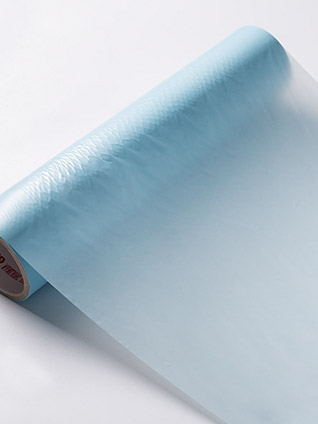
It has good elasticity and high lightness. Although the thickness is extremely thin (0.012-0.035mm), it has a physical performance unmatched by other materials (it can withstand water pressure of more...
-
 2019.8 Nanliang International responded to the annual fundraising activities of American schools
OneSchool Global is committed to developing a global education system, cultivating students' diversified development and independent learning, covering 130 campuses in 20 countries including North Ame...
-
 Nanliang International's 2021 Innovation and Research Conference was a complete success
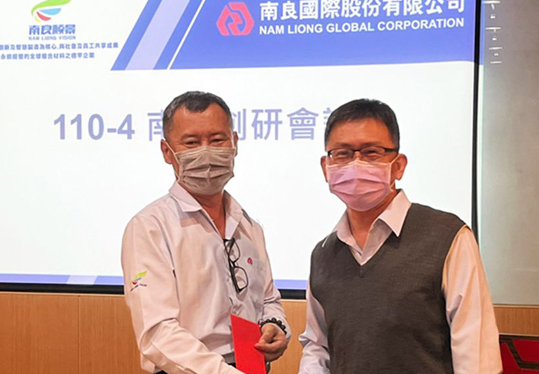
Led by General Manager Zhang Shunqing of Nanliang International, Dr. Chen Junyan of the Forward-looking Innovation Group and his unit sponsored the Nanliang International Innovation and Research Confe...



Copyright © Jiaxing Nanxiong Polymer Co., Ltd.TPU Film Manufacturer