


Is PU material waterproof?
● Introduction to PU Material
● Definition and Composition of PU
Polyurethane, commonly abbreviated as PU, is a versatile polymer known for its diverse applications across industries. PU material is crafted through polymerization, which involves reacting a polyol with a diisocyanate in the presence of suitable catalysts and additives. This material's unique properties—such as flexibility, durability, and resistance to environmental factors—make it a popular choice for various applications, especially in waterproofing solutions.
● Historical Development and Usage
Since its inception in the mid-20th century, PU material has evolved significantly, marking its presence in industries like automotive, construction, and textiles. Its adaptability to be molded into different forms and its resilience against wear and tear have bolstered its popularity. Today, PU membranes are integral to producing goods requiring robust waterproofing capabilities.
● Understanding Waterproofing
● Definition and Importance of Waterproofing
Waterproofing is the process of making an object or structure impermeable to water or resistant to water infiltration under specified conditions. This is crucial for many products and constructions to ensure longevity, avoid damage, and maintain performance in adverse environments.
● How Materials are Classified as Waterproof
Materials are classified as waterproof based on their ability to resist water penetration permanently. This means they should withstand water exposure without degrading or losing functionality. Effective waterproof materials should provide a barrier against moisture ingress.
● How PU Provides Waterproofing
● Mechanism of PU's Waterproofing Ability
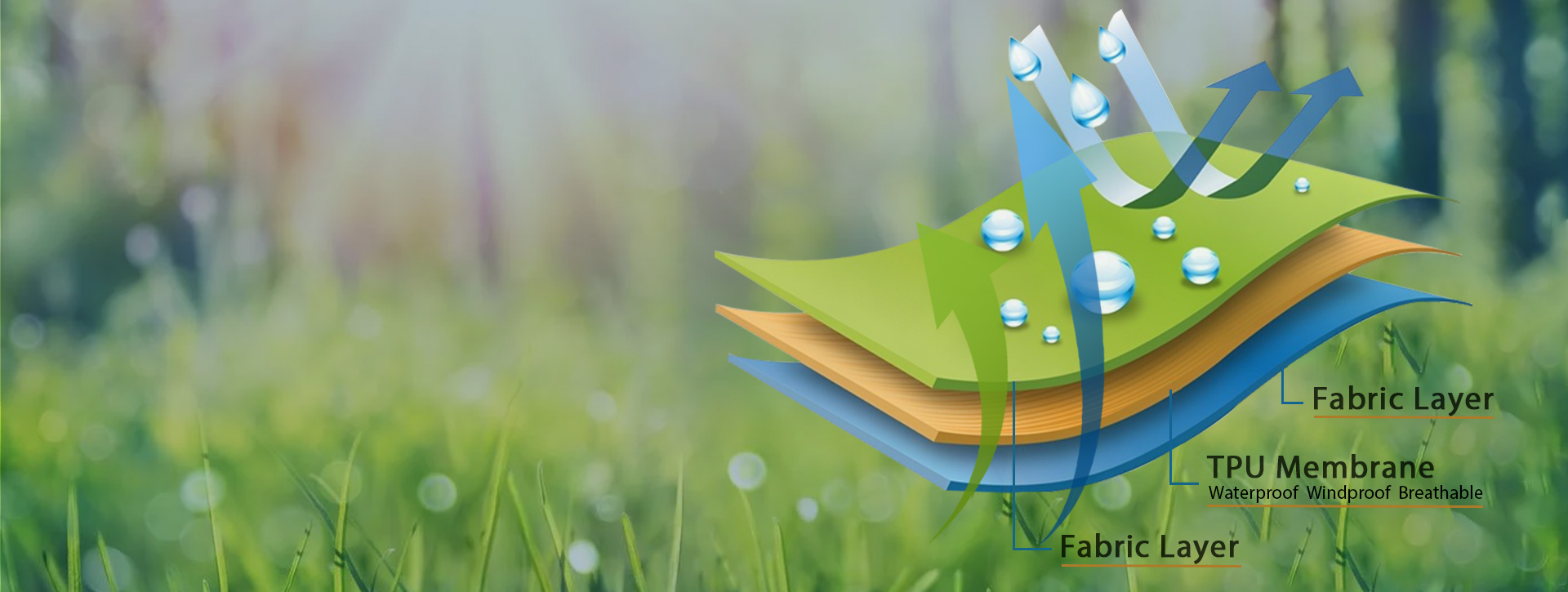
PU membranes achieve waterproofing through their dense molecular structure, which forms an effective barrier against water molecules. The hydrophobic nature of the PU polymer prevents water from saturating the material, while its flexibility ensures that it can maintain its integrity under physical stress.
● Comparison with Other Waterproof Materials
Compared to materials like silicone or PVC, PU membranes offer a balanced combination of waterproofing and breathability. While silicone provides excellent water resistance, it lacks flexibility. PVC, on the other hand, can be heavier and less environmentally friendly. PU membranes strike a balance, offering both lightweight and effective water resistance, making them suitable for a range of applications, from clothing to building materials.
● Applications of PU Waterproofing
● Common Industries and Products Using PU
PU membranes are widely used in industries such as textiles, automotive, construction, and healthcare. In the textile industry, PU membranes are increasingly favored in the manufacturing of outdoor and sportswear due to their ability to repel water while allowing moisture vapor to escape, maintaining comfort for the wearer.
● Examples of PU in Consumer Goods and Construction
In the construction industry, PU membranes are applied as coatings that protect surfaces from water damage. They are also used in the automotive sector to enhance the durability and performance of vehicle interiors. Consumer goods like backpacks, boots, and phone cases also leverage the waterproof properties of PU to improve product utility and lifespan.
● Advantages of PU as a Waterproof Material
● Durability and Resilience of PU
PU membranes are renowned for their durability and ability to withstand harsh environmental conditions. They maintain structural integrity despite exposure to factors like UV radiation and extreme temperatures, which makes them a reliable choice for long-term waterproofing solutions.
● Environmental and Economic Benefits
Economically, PU membranes are cost-effective due to their long lifespan and low maintenance. Environmentally, advancements in PU technology have led to more sustainable production processes, reducing the ecological footprint. Wholesale PU membrane suppliers often highlight these benefits when marketing PU products.
● Limitations of PU Waterproofing
● Situations Where PU Might Not Be Suitable
Despite its many advantages, PU isn't suitable for all applications. Over time, prolonged exposure to harsh sunlight and continuous mechanical stress can lead to degradation. For applications demanding extreme durability and water resistance, alternative materials might be necessary.
● Potential Degradation Factors Impacting Performance
Factors such as UV light and mechanical wear can impact PU membranes’ performance. Over time, these factors might cause the material to lose elasticity and water repellent properties. Regular assessments and maintenance can mitigate these risks, ensuring prolonged functionality.
● Comparing PU with Other Waterproof Materials
● PU vs. PVC and Other Common Alternatives
When comparing PU with PVC, PU is generally more flexible and breathable, making it suitable for clothing applications. PVC, while tougher, is less environmentally friendly due to its heavier chemical processing requirements. Silicone offers superior water resistance but is less flexible than PU, which can be a limitation in specific applications.
● Performance, Cost, and Sustainability Comparisons
Performance-wise, PU membranes offer balanced features, combining good waterproofing with breathable characteristics. When considering cost, PU materials are often more affordable than silicone but slightly more expensive than PVC. However, PU manufacturers are increasingly focusing on sustainable practices, setting them apart in the eco-conscious market.
● PU's Role in Sustainable Waterproof Solutions
● Innovations in Eco-Friendly PU Formulations
The drive towards sustainability has led to innovations in PU formulations that reduce environmental impact while enhancing performance. PU membrane manufacturers are investing in research to develop materials that are biodegradable or made from renewable resources, addressing environmental concerns associated with synthetic materials.
● Long-term Sustainability of PU Products
In adopting sustainable practices, PU membrane suppliers are not only reducing their carbon footprint but also providing consumers with products that support environmental conservation. The longevity of PU products further contributes to sustainability by reducing the need for frequent replacements, which in turn minimizes waste.
● Care and Maintenance of PU Items
● Tips for Maintaining the Waterproof Properties of PU
Proper care is essential for maintaining the waterproof characteristics of PU items. Avoiding exposure to extreme conditions, using mild cleaners, and storing items properly can extend their lifespan. Regular inspections for signs of wear can also help in early identification and rectification of potential issues, preserving water resistance.
● How to Extend the Life of PU-Coated Products
To extend the life of PU-coated products, it’s important to follow care instructions and apply maintenance treatments as recommended by the manufacturer. This includes avoiding machine washing of PU garments, using protective sprays, and ensuring items are thoroughly dried before storage.
● Conclusion
While not inherently waterproof, PU membranes offer significant water resistance, making them ideal for a wide range of applications. From clothing to industrial applications, PU's balance of waterproofing, flexibility, and sustainability aligns with consumer demand for functional and environmentally responsible products. As technology advances, so too will the capabilities of PU materials, ensuring their continued relevance and innovation in waterproofing solutions.
● Company Introduction: Jiaxing Nanxiong Polymer
Jiaxing Nanxiong Polymer is a leading entity following the core values of Nanliang's group, emphasizing respect for life and environmental care. The company incorporates elements like "Sharing results with employees" into its corporate vision, aiming for innovation and transformation. Specializing in safety and work protection materials, the company has earned ISO 9001 and ISO 14001 certifications and cooperates with renowned brands to develop cutting-edge products for industries spanning fashion to medical protection.

Featured News
-
 Wide range of applications of TPU membrane
TPU, short of thermoplastic polyurethane, is a versatile material with a wide range of applications due to its unique combination of properties, including flexibility, durability, and chemical resista...
-
 TPU membrane for outdoor footwear and sports shoes
TPU membrane is a kind of new material with wide range of performances, it is widely used for various products, one of the most important application is outdoor and sport shoes. while due to different...
-
 How is the use of TPU membrane revolutionizing the water treatment industry?
The water treatment industry is constantly seeking new technologies to improve the efficiency and effectiveness of water treatment processes. One of the recent advancements in this field is the use of...
-
 What are the advantages of TPU fabrics?
Advantages of TPU:1. Excellent wear resistance. Especially under the working conditions where there are wetting media such as water and oil, its wear resistance is often several times and dozens of ti...
-
 How to choose a good TPU coated fabric manufacturer
What is TPU fabric?TPU is like the most pliable fabric found in nature. It is a very tough fabric that stands up to wear and tear. It is a high-tech marine safety fabric. Its polyester fibers reinforc...
-
 What is the difference between PU film and TPU film?
In an industry teeming with various polymer-based films, Thermoplastic Polyurethane (TPU) and Polyurethane (PU) films stand out for their diverse applications and distinctive properties. Despite their...



Copyright © Jiaxing Nanxiong Polymer Co., Ltd.TPU Film Manufacturer