


Bio-based membrane is the hope for green and sustainable development
Sustainable development is the goal of all enterprises , bio-based materials are gradually becoming a dazzling star in the field of materials science.
In membrane industry , bio-based TPU membrane plays a key role . With 1-3 PDO extracted from corn , it will be renewable and sustainable .Compared with BDO from petroleum material , bio-based TPU membrane with Susterra® PDO is more environment-friendly, energy conservation can reach 38% , carbon emission reduction can reach around 42% . Through this way , it help to maintain green economic development and make sustainable and renewable possible .
Compared with traditional petroleum-based film materials, bio-based film materials have many significant advantages.
From the source of material , they are made from renewable resources in nature. For example, starch-based bio-based films can use starch from crops such as corn and potatoes as the main raw material. The renewable nature of this raw material greatly alleviates the dependence on increasingly depleting petroleum resources and provides a new way for the sustainable development of the materials industry. Moreover, bio-based film materials tend to have lower carbon emissions during the production process. For example, the processing of some films based on plant fibers is relatively simple and does not require complex chemical reactions, reducing greenhouse gas emissions.
In terms of performance, bio-based film materials also perform well. Cellulose-based films, for example, have good mechanical properties and can withstand a certain degree of stretching and tearing. At the same time, many bio-based films also have good air and moisture permeability, which gives them unique application advantages in the field of food packaging. For example, for the packaging of fruits and vegetables, if bio-based films with good air permeability are used, the shelf life can be extended, because the film can regulate the gas environment inside the packaging and prevent fruits and vegetables from rotting too quickly.
In addition, bio-based film materials are far more biodegradable than traditional films. When they are discarded, they can be decomposed by microorganisms into harmless substances such as carbon dioxide, water and biomass in the natural environment or under specific composting conditions. For example, chitosan-based films can be decomposed by microorganisms in the soil in a short period of time and will not remain for a long time like traditional plastic films, causing pollution to the environment such as soil and water bodies.
However, bio-based film materials also face some challenges. Cost is one of them. Currently, their production costs are relatively high, which limits their large-scale application. Part of the reason is that the collection and pretreatment costs of biomass feedstock are high, and some advanced production processes are still in the research and development and improvement stages. In addition, in terms of performance stability, some bio-based films may be affected by environmental humidity, temperature and other factors, and require further research and improvement.
But overall, bio-based thin film materials have a bright future. With the continuous advancement of technology, we have reason to believe that bio-based film materials will shine in packaging, agriculture, medical and other fields, becoming a key force in promoting sustainable development and creating a greener and environmentally friendly future for us.
Featured News
-
 Properties of TPU membrane
TPU membrane is a type of material that has gained popularity in various industries, including construction, automotive, and medical fields. This material has unique properties that make it ideal for ...
-
 Advantages of TPEE film
TPEE film is a non-porous hydrophilic film made of thermoplastic elastomer,a kind of PE(Polyethylene terephthalate) film.It has excellent moisture permeability and high waterproof strength,after lamin...
-
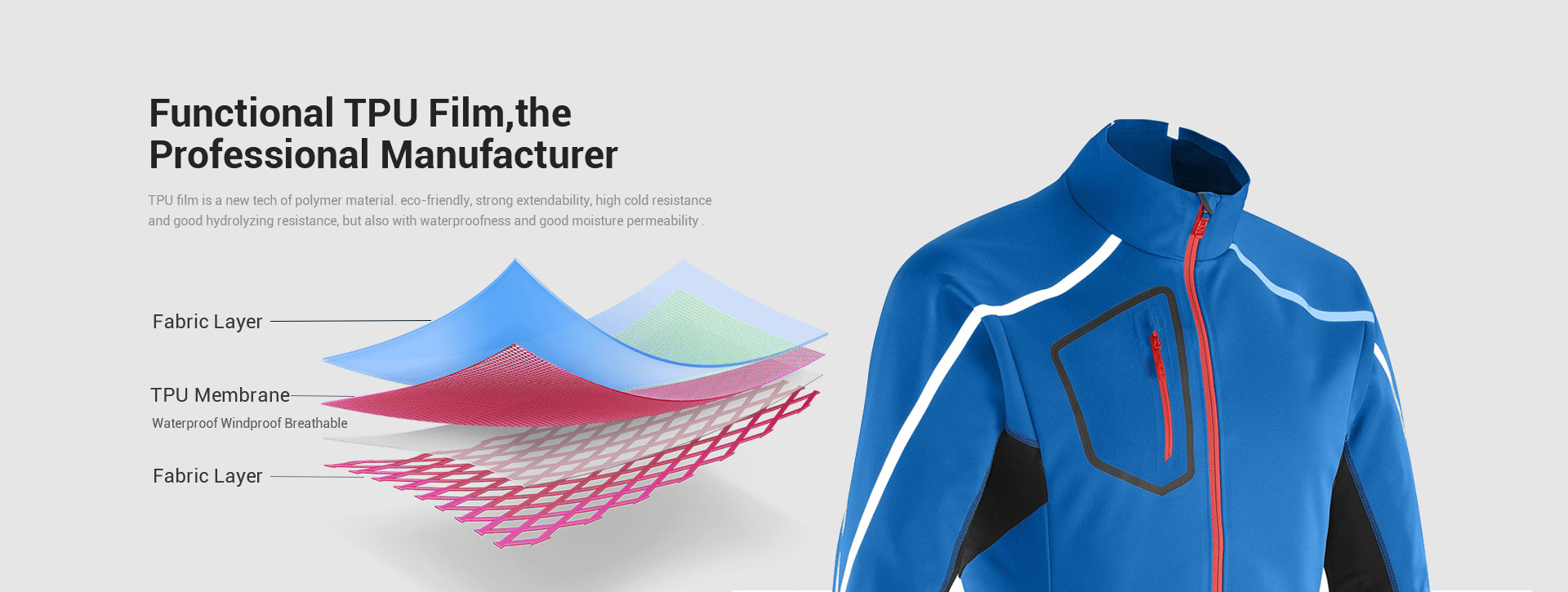 What kind of TPU film is used in the field of seamless embossing
TPU film can be used in environmentally friendly adhesive film adhesive products in the field of seamless embossing. Similar to ordinary films, it is tacky on both sides at high temperature, and can b...
-
 What is the difference between PU film and TPU film?
In an industry teeming with various polymer-based films, Thermoplastic Polyurethane (TPU) and Polyurethane (PU) films stand out for their diverse applications and distinctive properties. Despite their...
-
 Is PU film breathable?
The question of whether polyurethane (PU) film is breathable is essential for industries ranging from medical care to textiles. Breathable films provide advantages in comfort, protection, and function...
-
 What is microporous polypropylene?
Introduction to Microporous Polypropylene In the expansive world of polymers, microporous polypropylene stands out due to its unique characteristics that provide value across multiple industries. Defi...



Copyright © Jiaxing Nanxiong Polymer Co., Ltd.TPU Film Manufacturer