


What is microporous polypropylene?
Introduction to Microporous Polypropylene
In the expansive world of polymers, microporous polypropylene stands out due to its unique characteristics that provide value across multiple industries. Defined by its microporous structure, microporous polypropylene showcases a balance of strength, flexibility, and permeability. This combination is achieved through a meticulous manufacturing process that tailors the material for specific applications, ranging from filtration to medical devices.
● Definition and Basic Characteristics
Microporous polypropylene is a type of thermoplastic polymer, characterized by its lightweight, chemical resistance, and durable properties. What sets it apart is the microporous structure that enhances its functionality, leading to widespread adoption in various sectors. This structure allows the material to maintain a delicate equilibrium between strength and permeability, making it ideal for applications where air and fluid flow are critical.
● Overview of Its Development and Usage
Throughout its development, microporous polypropylene has evolved to meet the increasing demands of modern technology and industry. Initially, it was primarily utilized in products requiring robust chemical resistance and thermal stability. Over time, its enhanced permeability and filtration capabilities have made it a staple in industries ranging from healthcare to consumer electronics.
Production Process of Microporous Polypropylene
The production of microporous polypropylene involves advanced techniques that refine its microporous nature while maintaining its inherent advantages.
● Techniques Used in Manufacturing
Key methods in manufacturing this material include stretching and film extrusion processes, which involve creating films that can be thermally or mechanically altered to develop pores. These manufacturing techniques ensure uniformity in pore size and distribution, facilitating consistent performance in end-use applications.
● Innovations in Production Processes
Recent innovations have introduced more sustainable and efficient manufacturing processes. Techniques such as solvent casting and phase separation are being explored to reduce environmental impact while enhancing the material's properties.
Properties and Benefits of Microporous Polypropylene
Understanding the unique properties of microporous polypropylene highlights why it is preferred in numerous applications.
● Physical and Chemical Properties
This polymer is noted for its excellent thermal stability and resistance to a variety of chemical substances. It possesses a high melting point, making it suitable for environments with demanding temperature requirements. Furthermore, the micropores facilitate superior air and liquid permeability without sacrificing the material's integrity.
● Advantages Over Other Materials
When compared to its non-porous counterparts, microporous polypropylene excels in applications requiring breathability and filtration. Its ability to allow fluid passage while blocking particulates sets it apart from many other polymers, making it indispensable in certain medical and environmental applications.
Applications in Various Industries
The versatility of microporous polypropylene is reflected in its varied applications across different industries.
● Use in Filtration Systems
In filtration systems, microporous polypropylene membranes are integral due to their efficient particle retention and chemical resistance. These membranes are used in water treatment, air purification, and even in the intricate air filtration systems required in cleanrooms and laboratories.
● Role in Medical and Healthcare Industries
In the medical field, the material finds applications in devices such as face masks and ventilator filters, where breathability and particulate filtration are crucial. The sterile production environment required for medical devices is well-supported by microporous polypropylene's properties.
Environmental Impact and Sustainability
As the world shifts towards more sustainable practices, microporous polypropylene is being scrutinized for its environmental footprint.
● Biodegradability and Recycling
While the polymer itself is not biodegradable, efforts are being made to improve its recyclability. The focus is on developing techniques to break down the material for reuse in non-critical applications, thus minimizing waste.
● Initiatives for Sustainable Production
Manufacturers and microporous polypropylene membrane suppliers are increasingly adopting greener production methodologies, including energy-efficient processes and waste reduction strategies, to align with global sustainability goals.
Comparative Analysis with Other Polymers
To appreciate the utility of microporous polypropylene, a comparison with other polymers is necessary.
● Differences Between Microporous Polypropylene and Non-Porous Polymers
The microporous structure significantly enhances filtration and air permeability. In contrast, non-porous polymers often lack these capabilities, which limits their use in dynamic applications requiring air or fluid flow.
● Comparative Advantages in Specific Applications
In comparison to other porous materials, polypropylene offers superior chemical resistance and durability, making it a preferred choice in environments where exposure to harsh substances is a concern.
Challenges and Limitations
Despite its advantages, microporous polypropylene also faces certain challenges.
● Production and Quality Control Challenges
Consistency in pore size and distribution is crucial, requiring stringent quality control measures during manufacturing. The complexity of producing consistent microporous membranes can sometimes result in higher costs.
● Limitations in Certain Environments
While effective in many settings, extreme environments requiring higher temperature ranges or exposure to aggressive chemicals may necessitate alternative materials.
Innovations and Future Trends
The landscape of microporous polypropylene is ever-evolving, driven by technological advances and market demands.
● Emerging Technologies in Production
Emerging technologies aim to enhance the functionality of microporous polypropylene membranes, such as embedding antimicrobial properties directly into the material to expand its utility in healthcare.
● Future Potential and Market Trends
The demand for efficient and sustainable materials continues to grow, positioning microporous polypropylene as a material of interest for future innovations, particularly in renewable energy and environmental management sectors.
Case Studies and Real-World Applications
Examining real-world applications demonstrates the effectiveness and versatility of microporous polypropylene.
● Examples in Consumer Goods
In consumer goods, the material is used to enhance product longevity and performance, such as in the packaging industry, where it ensures breathability and freshness.
● Success Stories in Industrial Applications
Industries like automotive and aerospace have successfully incorporated microporous polypropylene, using it in components that require a balance of strength, weight, and permeability.
Conclusion and Future Outlook
Microporous polypropylene presents a compelling case as a versatile and resilient material. Its unique properties lend themselves well to a variety of applications, fostering innovation across industries. As technology continues to evolve, so too will the potential applications of this remarkable polymer. Stakeholders, including microporous polypropylene membrane manufacturers and suppliers, are poised to capitalize on its future growth, driven by sustainability and enhanced performance demands.
Introducing Nanxiong Polymer
Nanxiong Polymer is at the forefront of microporous polypropylene products, pioneering innovations to meet global market needs. With a commitment to quality and sustainability, Nanxiong Polymer operates advanced manufacturing facilities that produce high-grade microporous polypropylene membranes. As a leading manufacturer and supplier, they continue to push the boundaries of what's possible in polymer technology, ensuring that their clients receive products that deliver both performance and value.

Featured News
-
 Green and sustainable TPU film --- Bio-based TPU film and GRS film
Background: " From November 25th to 28th, the 2022 Boao Forum for Chinese Entrepreneurs was held in Boao, Hainan. At the 2022 Carbon Peak and Carbon Neutrality Summit Dialogue held on the 26th, the gu...
-
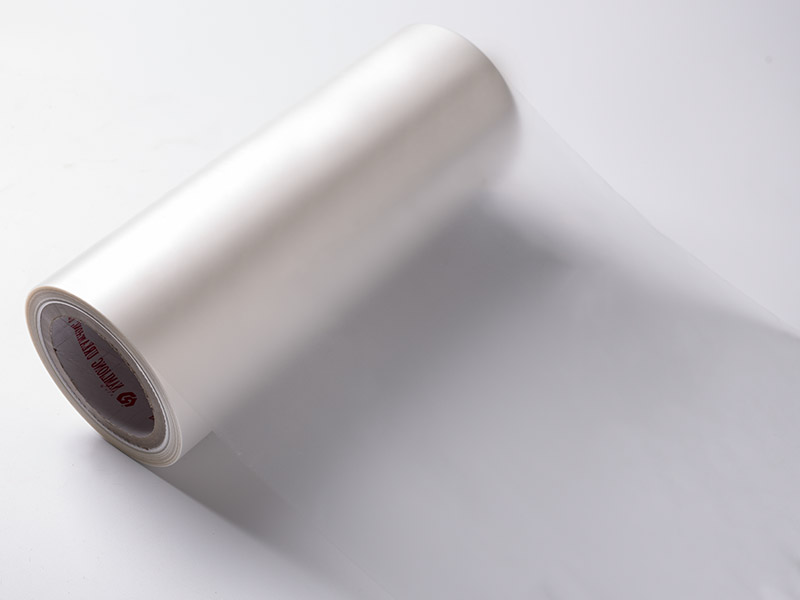 What is the introduction and production of TPU film?
We know about the use of some products, but we may not know about the materials used to make them. Like the TPU used in the production of shoes, today we will talk about the brief introduction of TPU ...
-
 biobased polymer--Biobased TPU film
Under the trend of carbon neutrality, carbon peaking, and sustainable economic and social development, most companies are emphasizing green and sustainable development, so bio-based materials and mark...
-
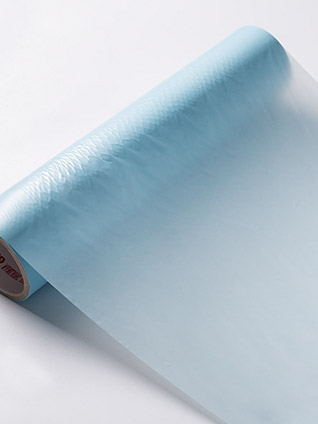 PU film
It has good elasticity and high lightness. Although the thickness is extremely thin (0.012-0.035mm), it has a physical performance unmatched by other materials (it can withstand water pressure of more...
-
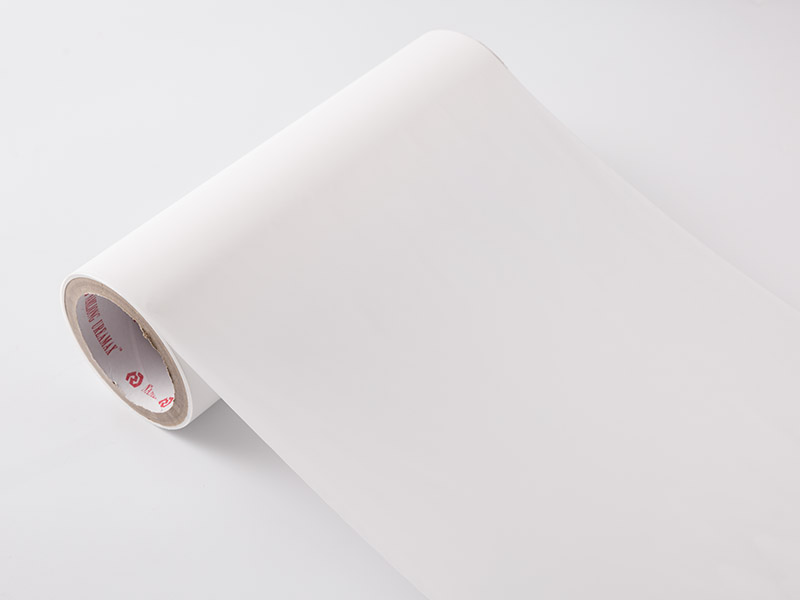 TOP NEWS : Nanxiong’s new biomass membrane series has made a great breakthrough, with a wide variety of products including bio-based TPU membrane / polyester/PES membrane / nylon membrane
As payingmore importance to personal health and more and more attention to environmental protection and sustainable development, renewable materials are gradually becoming the focus of attention in al...
-
 Innovative GRS TPU Film Sets New Standards for Sustainability and Performance
As the world continues to prioritize sustainability, innovative technologies are playing a pivotal role in driving progress. The recent introduction of GRS TPU film has garnered significant attention ...



Copyright © Jiaxing Nanxiong Polymer Co., Ltd.TPU Film Manufacturer