


Is PU waterproofing good?
A Comprehensive Analysis
● Introduction to PU Waterproofing
Polyurethane (PU) waterproofing is a popular method in the construction and manufacturing industries, known for its durability, flexibility, and easy application. PU waterproofing involves the use of a polyurethane membrane applied as a liquid that hardens into a seamless, water-resistant surface. With its growing popularity, many are left wondering if PU waterproofing is the best option for their needs. This article will explore the benefits, applications, and considerations of PU waterproofing, examining whether it is indeed a good choice.
● Key Benefits of PU Waterproofing
● Durability and Longevity
One of the primary reasons PU waterproofing is favored is its remarkable durability. PU membranes are resistant to weather extremes, including heavy rain, intense sunlight, and freezing temperatures. This resilience ensures that structures remain protected over the long term, often lasting 25 to 50 years with proper maintenance. This longevity not only guarantees peace of mind but also translates to cost savings over time, as fewer repairs and reapplications are needed.
● Versatility in Application
PU waterproofing can be used across various surfaces and structures, making it a versatile solution for many industries. Whether it’s for roofing, basement walls, or even flooring, the adaptability of PU membranes makes them suitable for different environments and conditions. This versatility extends to both residential and commercial applications, further cementing its status as a reliable waterproofing method.
● DIY Potential and Professional Use
Another advantage of PU waterproofing is its ease of application. While it is generally recommended to have a professional handle the process to ensure optimal results, the straightforward nature of applying a PU membrane makes it accessible for DIY enthusiasts with some experience. The application process involves cleaning the surface, applying a primer, and then the PU membrane, either by brush, roller, or spray. This simplicity saves time and labor costs, adding to its appeal.
● Required Tools and Safety Measures
The tools needed for PU waterproofing are relatively basic, often just requiring brushes, rollers, or spray equipment. However, safety measures must be taken when working with PU materials. Proper ventilation, protective clothing, and eye protection are essential to avoid exposure to fumes and potential skin contact. Following these precautions ensures a safe and efficient application process.
● Smooth and Seamless Finishes
PU waterproofing offers the added benefit of providing a smooth and seamless finish. This is particularly important for surfaces where aesthetics matter, such as terraces or visible parts of a building. A PU membrane can create a clean, professional look that enhances the visual appeal while providing robust waterproofing.
● Impact on Overall Appearance
The seamless nature of PU membranes means there are no joints or seams where water can potentially seep through. This not only improves the efficacy of the waterproofing but also contributes to a uniform and attractive appearance. For those concerned with maintaining the aesthetics of their structures, PU waterproofing offers an excellent solution.
● Weather and UV Resistance
PU membranes are known for their exceptional resistance to various weather conditions. They retain their properties in both freezing and scorching environments, ensuring that they remain effective year-round. Additionally, PU membranes possess strong UV resistance, preventing degradation from prolonged sun exposure, which is a common issue with other waterproofing materials.
● Chemical and Corrosion Resistance
Beyond weather resistance, PU membranes also offer robust protection against chemicals and corrosion. This makes them ideal for industrial settings where exposure to harsh chemicals and cleaners is common. The chemical resistance of PU ensures that the waterproofing layer remains intact and functional despite exposure to potentially damaging substances.
● Adapting to Different Surfaces
The elasticity of PU membranes is one of their standout features. This property allows the membrane to stretch and contract with the surface, accommodating movements and shifts without cracking or breaking. This is particularly beneficial for surfaces that undergo regular thermal expansion and contraction.
● Handling Vibrations and Movements
The flexible nature of PU waterproofing also makes it suitable for structures that experience vibrations or minor movements. This adaptability minimizes the risk of damage caused by dynamic forces, making PU membranes a preferred choice for buildings and structures in seismic zones or those subjected to mechanical vibrations.
● Lightweight Nature Post-Application
Even after curing, PU membranes remain lightweight. The typical thickness of a PU waterproofing layer is around 2mm, which means it does not add significant weight to the structure. This is an essential consideration for applications on lightweight surfaces or structures where additional load needs to be minimized.
● Suitability for Various Structures
The lightweight and durable nature of PU membranes make them suitable for a wide range of structures. From high-rise buildings to lightweight roofing systems, the minimal load impact ensures that structural integrity is maintained without compromising on waterproofing performance.
● Expected Lifespan of PU Coatings
A properly applied PU waterproofing layer can last between 25 to 50 years, making it a long-term investment. This extended lifespan reduces the need for frequent reapplications and repairs, offering significant cost savings and ensuring prolonged protection for the structure.
● Maintenance Tips for Longevity
While PU waterproofing is long-lasting, regular maintenance can further extend its lifespan. Simple practices such as regular inspections, cleaning, and addressing minor damages promptly can help maintain the integrity of the PU membrane. This proactive approach ensures that the waterproofing layer continues to perform effectively throughout its expected lifespan.
● Advantages Over Cementitious Waterproofing
Compared to cementitious waterproofing, PU membranes offer several advantages. Cementitious waterproofing can be less flexible and more prone to cracking, making it less suitable for surfaces subject to movement or thermal expansion. PU’s elasticity provides a more robust solution for these conditions. Additionally, PU membranes generally offer better UV and chemical resistance, enhancing their durability and effectiveness.
● Cost and Performance Comparison
While the initial cost of PU waterproofing might be higher than some alternatives, its long-term benefits often justify the investment. The reduced need for frequent repairs, combined with its extended lifespan and superior performance, makes PU waterproofing a cost-effective choice in the long run. The balance of performance and cost efficiency underscores why many consider PU membranes to be an excellent waterproofing solution.
● Choosing the Right Contractor
● Importance of Professional Application
Despite the potential for DIY application, hiring a professional contractor for PU waterproofing is highly recommended. Professionals bring expertise, proper tools, and experience to ensure that the application is done correctly, maximizing the benefits of the PU membrane. A professionally applied PU waterproofing layer is more likely to meet performance expectations and deliver long-term protection.
● Key Traits to Look for in a Contractor
When selecting a contractor, consider their experience with PU waterproofing, customer reviews, and their ability to provide comprehensive service. A reliable contractor should offer a clear project plan, use high-quality materials, and provide a warranty for their work. These traits ensure that you receive the best possible outcome for your waterproofing project.
● Conclusion
PU waterproofing has proven to be a highly effective and versatile solution for protecting structures from water damage. Its durability, flexibility, ease of application, and aesthetic benefits make it an attractive option for both residential and commercial applications. When considering the long-term performance and cost-effectiveness of PU membranes, it is clear why they are a popular choice in the industry. For those seeking a reliable and efficient waterproofing method, PU waterproofing stands out as a top contender.
● About Nanxiong Polymer
Inheriting the core values of Nanliang’s group that "respect life, take care of the environment", Nanliang International Co., Ltd. Jiaxing Branch incorporates elements like "Sharing results with employees" into its corporate vision. Nanxiong Polymer is dedicated to innovation and transformation, aiming to meet customer needs with young vitality while ensuring steady development. Specializing in textile materials and polymer foaming technology, Nanxiong Polymer offers products for personal safety, automotive interiors, and more, with a commitment to quality and environmental standards, certified by ISO 9001 and ISO 14001, and collaborates with major international brands for cutting-edge product development.

Featured News
-
 Functional membrane laminated fabric for outdoor garments
Bond a thermoplastic polyurethane membrane (TPU film ) toone layerof more layers ofbase fabrics, such as nylon or polyester fabric, to geta new kind of functional materials with a wide range of high p...
-
 How is the use of TPU membrane revolutionizing the water treatment industry?
The water treatment industry is constantly seeking new technologies to improve the efficiency and effectiveness of water treatment processes. One of the recent advancements in this field is the use of...
-
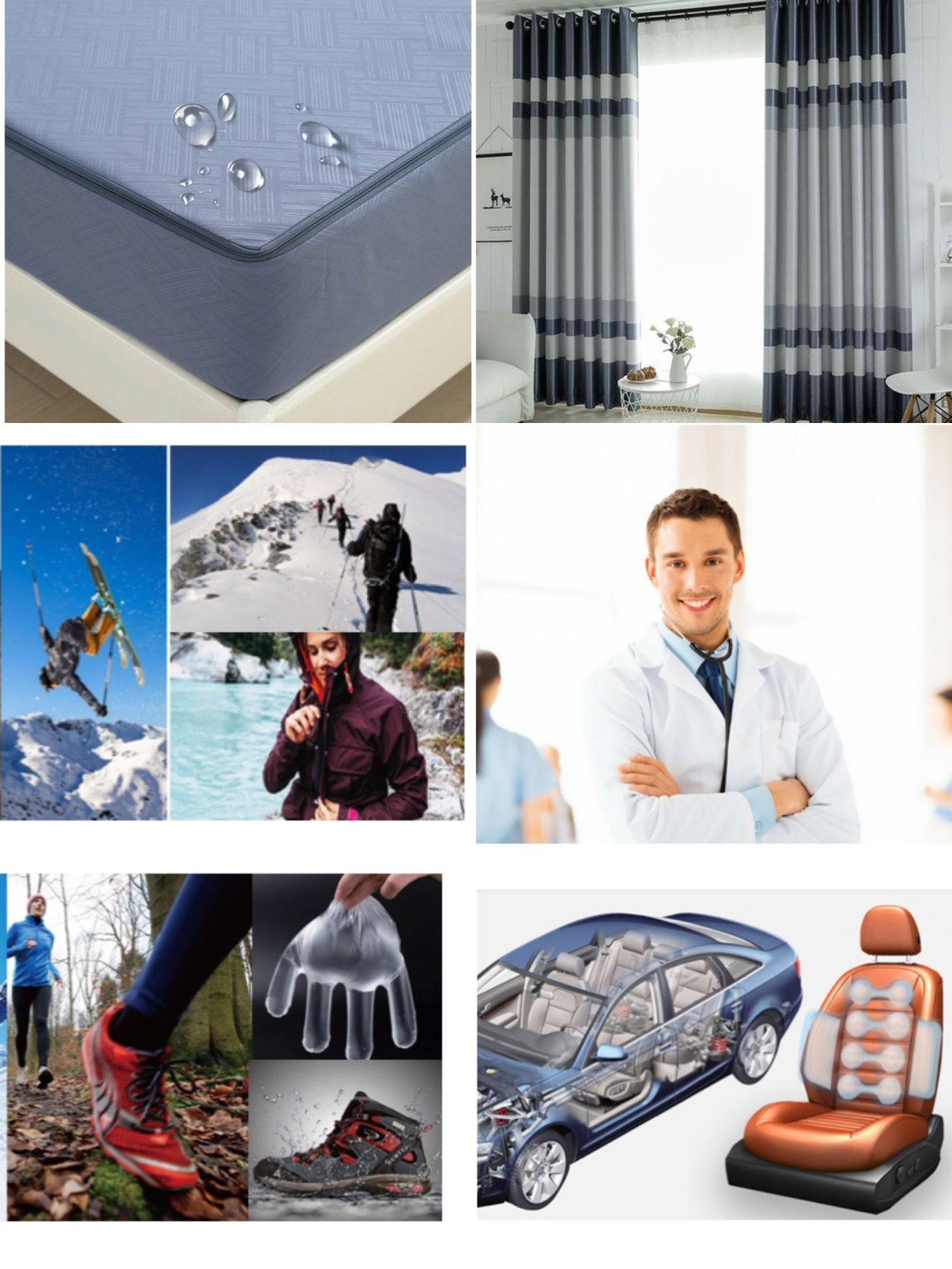 TPU film manufacturers: the momentum of TPU materials
Tpu material is a practical material, the momentum of development in recent years is also relatively strong, and has gradually replaced PVC and other rubber materials, because TPU material aging resis...
-
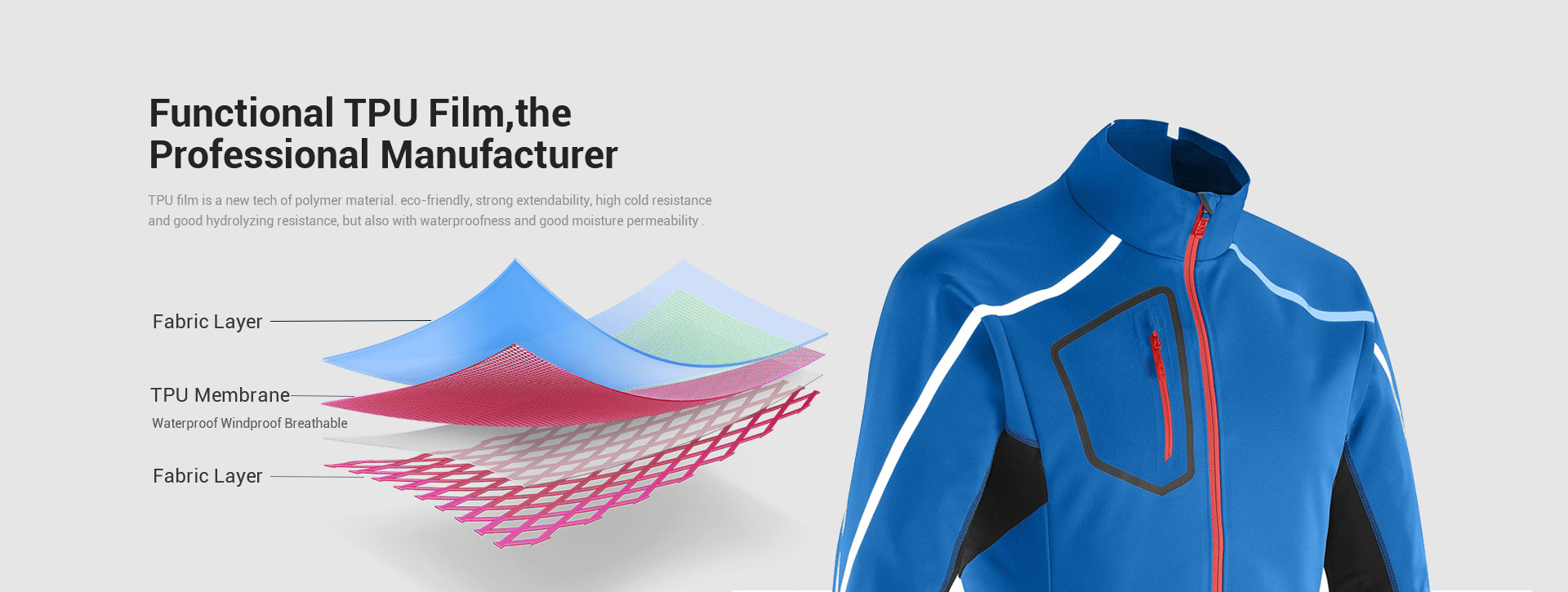 What kind of TPU film is used in the field of seamless embossing
TPU film can be used in environmentally friendly adhesive film adhesive products in the field of seamless embossing. Similar to ordinary films, it is tacky on both sides at high temperature, and can b...
-
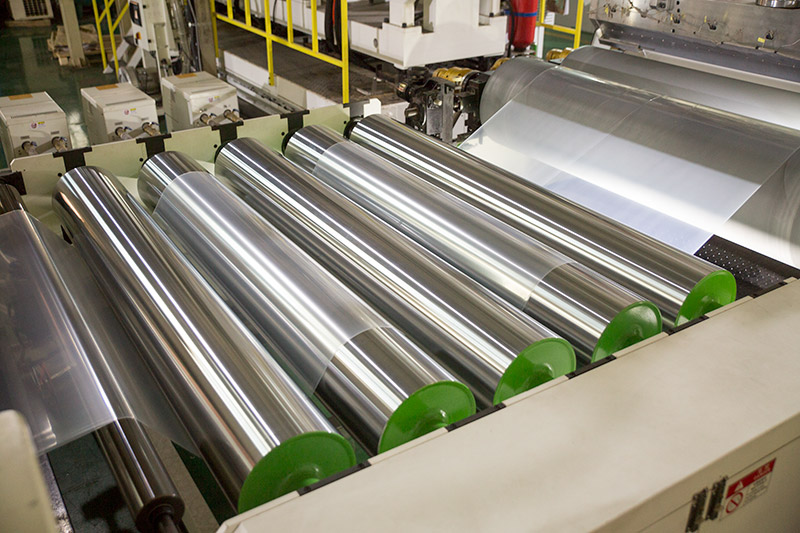 Application of TPU film in multiple industries
TPU film is an environmentally friendly film. Due to the large differences in the types and proportions of ingredients contained in it, it exists in various forms on the market and can be applied in m...
-
 TPU waterproof breathable membrane introduction and classification
TPU is the abbreviation of "Thermoplastic Urethane". TPU is made of diphenylmethane diisocyanate (MDI), toluene diisocyanate (TDI), polymer polyol and chain extender. Polymeric material. Its molecular...



Copyright © Jiaxing Nanxiong Polymer Co., Ltd.TPU Film Manufacturer