


How is TPU membrane different from PVC membrane?
Introduction to Membrane Materials
Thermoplastic polyurethane (TPU) and polyvinyl chloride (PVC) membranes are widely used in various industries due to their unique properties. Both materials cater to applications requiring flexibility, durability, and water resistance. This article delves into the distinctions between TPU and PVC membranes, offering insights into their composition, durability, environmental impact, applications, and more.
Composition and Structure of TPU vs PVC
Material Composition
TPU is a block copolymer consisting of soft and hard segments. Its crystalline structure enhances elasticity and strength. In contrast, PVC is a thermoplastic polymer formed by polymerizing vinyl chloride monomers.
Structural Differences
TPU membranes exhibit a more flexible and elastic nature due to their linear segmented structure. PVC membranes, with their rigid polymer chains, provide a more robust yet less stretchy material option.
Durability and Longevity
Resistance to Wear and Tear
TPU membranes possess excellent abrasion resistance, making them ideal for high-impact and high-stress applications. PVC, although durable, is more prone to cracking under extreme conditions.
Longevity in Various Conditions
Due to superior UV resistance, TPU membranes often outlast PVC in outdoor settings. Chemical resistance in TPU also contributes to its longer service life.
Flexibility and Elasticity Comparison
Elastic Properties
TPU membranes are renowned for their superior elasticity, which provides them with exceptional flexing capabilities. PVC offers less elasticity, which can limit its application in contexts requiring frequent bending or stretching.
Performance in Dynamic Applications
- TPU: Offers superior resistance to dynamic stress, ideal for automotive and sporting goods.
- PVC: Less suited for dynamic applications due to lower elasticity.
Environmental Impact and Sustainability
Sustainability Factors
TPU is often considered more environmentally friendly due to its recyclable nature and absence of chlorine. Conversely, PVC production involves chlorine, raising concerns about dioxins released during manufacturing and disposal.
Lifecycle Considerations
In terms of lifecycle, TPU presents a more sustainable option due to its potential for recycling and a lower overall environmental footprint compared to PVC.
Cost-Effectiveness of TPU and PVC
Initial Cost vs Long-term Investment
Though TPU membranes might have a higher initial cost, their durability and longevity offer long-term savings. PVC, while cheaper upfront, may incur more costs due to shorter lifespan and replacement needs.
Economic Value in Manufacturing
Factories in China and elsewhere often weigh TPU's higher initial price against its long-term performance benefits, offering a balanced view for manufacturers.
Waterproofing and Weather Resistance
Weatherproof Capabilities
TPU membranes excel in providing consistent performance across temperature variations, maintaining flexibility and waterproofing. PVC membranes, while water-resistant, may lose elasticity and strength in varying temperatures.
Resistance to Environmental Factors
TPU's superior resistance to UV rays and environmental stressors makes it a preferred choice for outdoor applications compared to PVC.
Application Areas Across Industries
Automotive and Transportation
- TPU: Widely used for interior trims and cable insulation.
- PVC: Common in flooring and non-dynamic parts.
Footwear and Apparel
TPU's flexibility and durability make it ideal for high-performance sportswear and footwear. PVC is used in budget-friendly options where elasticity is less critical.
Safety and Health Considerations
Safety in Manufacturing
TPU production does not involve potentially hazardous chlorine, unlike PVC, which can pose health risks during production and disposal processes.
Health Implications for Users
Users of TPU products are less exposed to potentially harmful substances, which is a significant consideration in healthcare applications.
Future Trends and Innovations
Technological Advancements
Ongoing innovations in TPU technology focus on enhancing recyclability and performance in extreme conditions. PVC manufacturers are seeking ways to reduce environmental impact through new formulations and additives.
Industry Shifts and Consumer Preferences
With increasing environmental awareness, there's a shift toward sustainable materials like TPU. This trend is influencing manufacturers and factories in regions like China to adopt more eco-friendly production methods.
nanxiongtpu Provide Solutions
For industries seeking high-performance, sustainable membrane solutions, partnering with a trusted manufacturer like nanxiongtpu can be beneficial. Offering expertise in TPU technology, they provide versatile, durable, and environmentally conscious options tailored to specific applications. By choosing TPU, manufacturers can achieve long-term savings, superior performance, and reduced environmental impact, aligning with current industry standards and consumer expectations.
User hot search: TPU membrane supplier
Featured News
-
 PES membrane to meet the trend of mono material concept
PES membrane , also short of polyester membrane , is also called TPE membrane or TPEE membrane ,PBT membrane . It is a kind of polyester film , with good extensibility , good abrasion , high MVTR (moi...
-
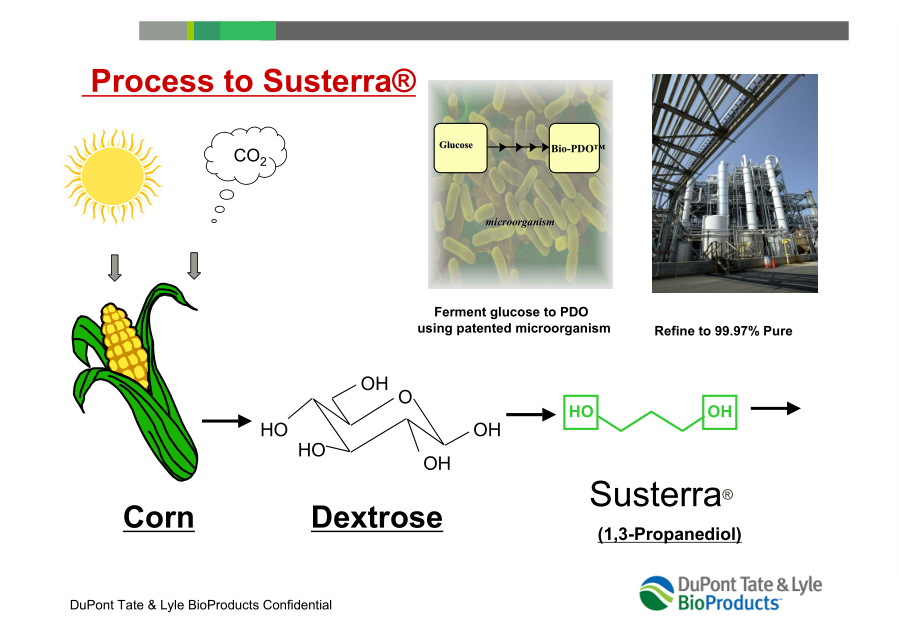 Something about TPU membrane and PU membrane
TPU membrane , that is Thermoplastic polyurethane membrane , is a kind of eco-friendly material to replace of PVC film , it is made with TPU particles via special procedure of blowing , flowing castin...
-
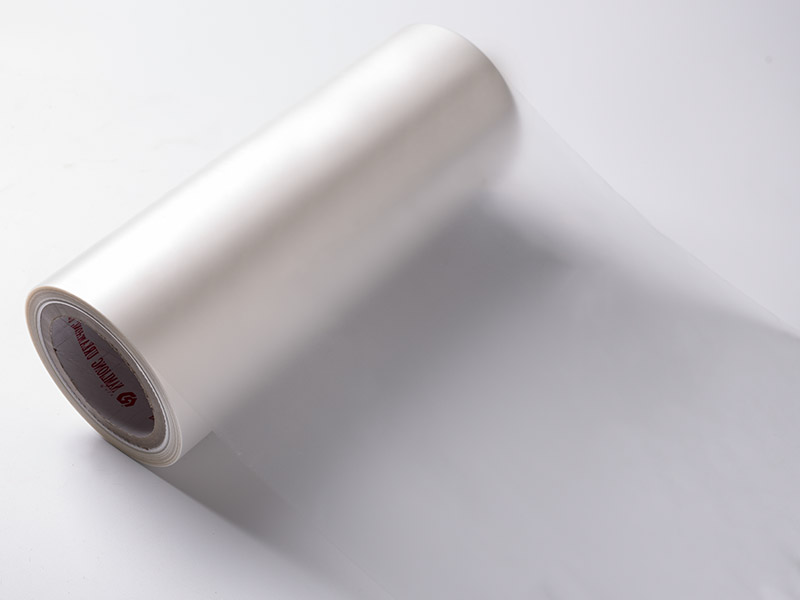 Details of TPU
The name of TPU is a kind of thermoplastic engineering elastomer with rubber. TPU is welcomed by people because of its superior performance and the development of environmental protection related conc...
-
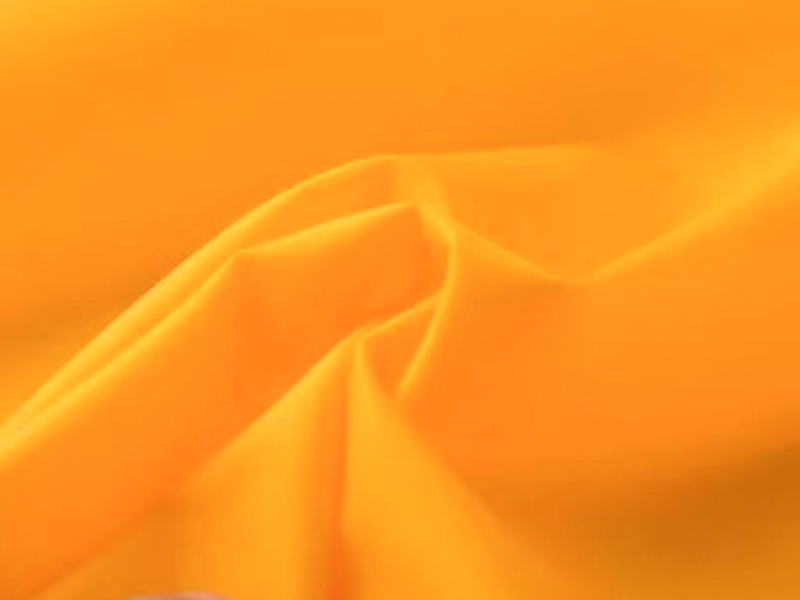 TPU Film Flexibility and Durability Expansion
The raw material of TPU film is thermoplastic polyurethane. There are many types of TPU film, such as frosted, black or white. The most prominent feature of TPU film is its flexibility. Moreover, in a...
-
 What is microporous film?
Introduction to microporous film Microporous films are specialized materials that have gained significant attention for their unique properties and versatile applications. These films are engineered w...
-
 Can TPU membranes be recycled?
Understanding TPU membranes Definition and Characteristics of TPU Thermoplastic Polyurethane (TPU) is a versatile material known for its elasticity, strength, and durability. Its unique chemical stru...



Copyright © Jiaxing Nanxiong Polymer Co., Ltd.TPU Film Manufacturer