


Can TPU membranes be recycled?
Understanding TPU membranes
Definition and Characteristics of TPU
Thermoplastic Polyurethane (TPU) is a versatile material known for its elasticity, strength, and durability. Its unique chemical structure allows it to resist abrasion, tearing, and chemical exposure, making it suitable for various applications in industries such as automotive, electronics, and fashion.
Properties Contributing to Its Recyclability
TPU's thermoplastic nature allows it to be melted and reformed, contributing to its recyclability. Its ability to maintain mechanical properties after recycling makes it an appealing material for sustainable manufacturing practices.
The Importance of Recycling TPU Membranes
Environmental Benefits
Recycling TPU membranes significantly reduces environmental impact by minimizing waste in landfills and decreasing the need for virgin materials. This process conserves natural resources and reduces greenhouse gas emissions associated with new material production.
Economic Implications
Recycling TPU can be economically beneficial. By reducing the need for new raw materials, companies can lower production costs. This cost efficiency can be passed on to consumers or reinvested in other sustainable initiatives.
Challenges in Recycling TPU Membranes
Technical Challenges
- Separation of TPU from other materials in composite products can be complex and costly.
- Maintaining the integrity of TPU properties during the recycling process requires sophisticated technology and expertise.
Market Barriers
- Lack of widespread infrastructure for TPU recycling limits accessibility for many manufacturers and consumers.
- There is a need for improved supply chains that connect TPU waste producers with recycling facilities.
Technological Advances in TPU Recycling
Innovative Recycling Methods
Advancements in chemical and mechanical recycling methods have improved the efficiency and scalability of TPU recycling processes. These innovations include improved sorting technologies and processing techniques that preserve TPU quality.
Role of Suppliers and Factories
Wholesale suppliers and factories play a crucial role in the advancement of TPU recycling technologies. By investing in research and development, these entities can enhance recycling capabilities and production efficiency.
Applications of Recycled TPU Membranes
Automotive and Electronics
Recycled TPU is increasingly used in the automotive and electronics industry due to its durability and ability to maintain electrical insulation properties. This makes it ideal for components such as seals, gaskets, and protective casings.
Fashion and Textiles
The fashion industry utilizes recycled TPU for its flexibility and resilience, perfect for applications in footwear and various accessories, contributing to the sector's sustainability goals.
Economic Impact of TPU Recycling
Cost-Effectiveness
Implementing TPU recycling processes can lead to significant cost savings for manufacturers. By reducing reliance on new materials, companies can achieve a more sustainable and economically viable production line.
Market Opportunities
- Growing demand for sustainable products provides new market opportunities for companies utilizing recycled TPU.
- Wholesale markets can benefit from cost reductions, making recycled TPU an attractive option for broad distribution.
Policy and Regulation Surrounding TPU Recycling
Governmental Support
Government policies aimed at reducing plastic waste and promoting circular economies are encouraging the adoption of TPU recycling. Incentives such as tax breaks and subsidies can promote industry participation.
International Standards
Development of international standards for TPU recycling and recycled products can help ensure quality and increase global adoption of these practices.
Consumer Awareness and Participation in TPU Recycling
Influencing Consumer Behavior
Educating consumers about the benefits of recycled TPU can drive demand for sustainable products. Increased awareness can lead to greater participation in recycling initiatives and reduce waste generation.
Collaborative Efforts
Encouraging collaboration between consumers, suppliers, and manufacturers can enhance the effectiveness of recycling programs and promote a sustainable product lifecycle.
Global Perspectives on TPU Recycling
Global Trends
Countries worldwide are adopting TPU recycling as part of broader sustainability strategies. Regions with strong environmental policies are leading the way in recycling innovation and market growth.
International Collaboration
Global partnerships and knowledge sharing are crucial for overcoming challenges in TPU recycling and achieving sustainability goals on a worldwide scale.
Future Prospects for TPU Recycling
Innovation and Development
Ongoing research and development in material science and recycling technologies will continue to improve TPU recycling processes, making them more efficient and accessible.
The Role of Factories and Suppliers
Factories and suppliers are critical to the future of TPU recycling. By investing in new technologies and expanding recycling capabilities, they can meet growing global demand for sustainable materials.
nanxiongtpu Provide solutions
In response to the challenges and opportunities presented by TPU recycling, nanxiongtpu is committed to delivering innovative solutions that enhance sustainability. With a focus on improving recycling technologies and processes, nanxiongtpu aims to provide high-quality recycled TPU products at competitive prices. By partnering with key players across the supply chain, nanxiongtpu supports the development of an efficient and effective recycling infrastructure. This commitment ensures that recycled TPU products maintain their integrity, offering a viable alternative for industries seeking to reduce their environmental impact.

Featured News
-
 Top news : Jiaxing Nanxiong Polymer Co.,Ltd, a professional supplier of TPU membrane , is Certificated by Made in Zhejiang
Top news : Jiaxing Nanxiong Polymer Co.,Ltd, a professional supplier of TPU membrane , is Certificated by Made in Zhejiang In 2014, Zhejiang Province adhered to the combination of market-oriented oper...
-
 PES membrane to meet the trend of mono material concept
PES membrane , also short of polyester membrane , is also called TPE membrane or TPEE membrane ,PBT membrane . It is a kind of polyester film , with good extensibility , good abrasion , high MVTR (moi...
-
 Outdoor TPU membrane sportswear market trend: fashion trends that inspire natural vitality
With the improvement of people's living standards and the enhancement of health awareness, outdoor sports have become an indispensable part of the life of modern urbanites. This trend not only promote...
-
 The current TPU film industry faces opportunities as well as challenges do you know?
TPU granules are made into TPU film through calendering, cast, blown film, coating and other technologies. Currently it is mainly used in sports shoes, it is widely used in the sole and the upper of t...
-
 What are the 9 main features of TPU film
1, wear resistance and abrasion resistance more than 5 times higher than natural rubber, is one of the materials of choice for wear-resistant products.2, tensile properties up to 70 MPa, tensile stren...
-
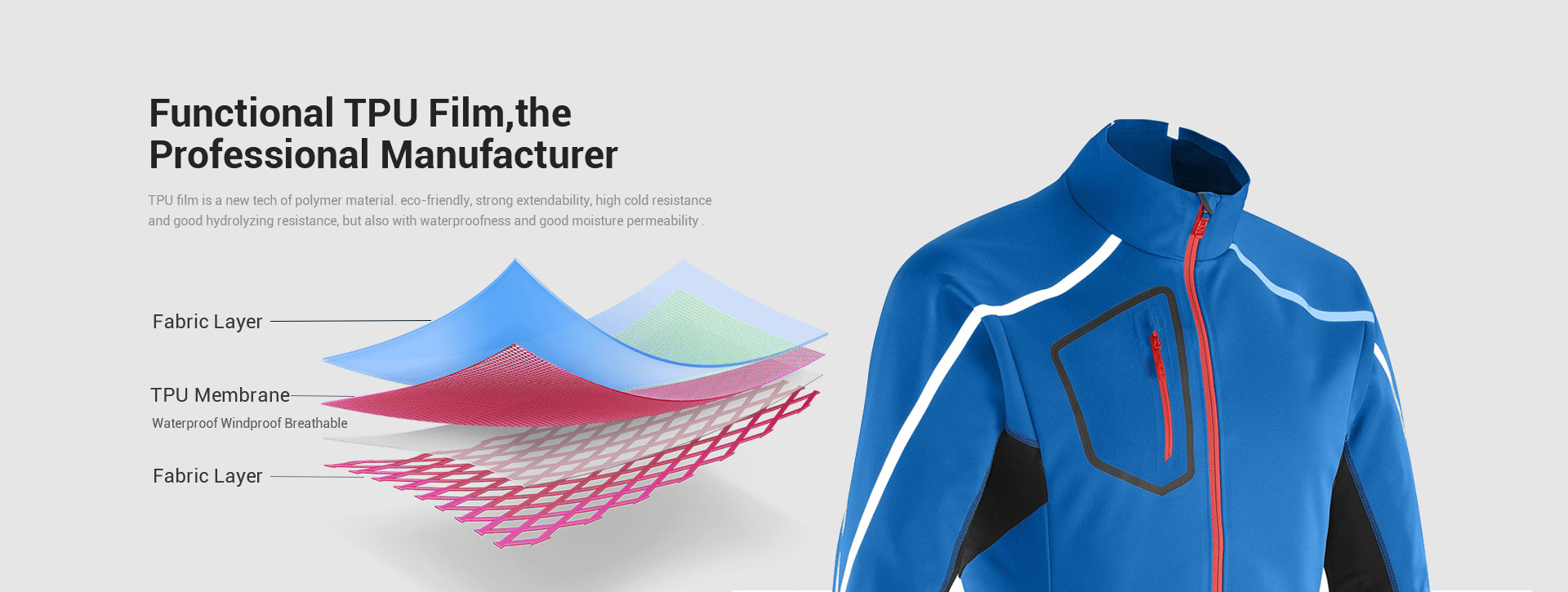 What kind of TPU film is used in the field of seamless embossing
TPU film can be used in environmentally friendly adhesive film adhesive products in the field of seamless embossing. Similar to ordinary films, it is tacky on both sides at high temperature, and can b...



Copyright © Jiaxing Nanxiong Polymer Co., Ltd.TPU Film Manufacturer