


Are TPU membranes durable in comparison to other textile coatings?
Introduction to TPU Membranes and Textile Coatings
Thermoplastic polyurethane (TPU) membranes have emerged as a significant advancement in textile coatings, offering a balance of flexibility, durability, and functionality. As a material, TPU is particularly noted for its versatility in enhancing fabric performance, making it a preferred choice for several applications. This article examines the durability of TPU membranes compared to other textile coatings, exploring their comprehensive benefits across various domains.
Chemical Composition and Structure of TPU Membranes
Understanding TPU's Molecular Structure
TPU membranes are characterized by their unique molecular structure, consisting of alternating soft and hard segments that confer a range of mechanical properties. The soft segments provide elasticity, while the hard segments offer strength and stability. This combination results in a material that is both flexible and robust, making TPU an optimal choice for high-performance fabrics.
Comparison with Other Coatings
When compared to traditional coatings such as polytetrafluoroethylene (PTFE) and polyvinyl chloride (PVC), TPU stands out for its excellent elongation and tensile strength. While PVC is known for its rigidity, TPU's adaptable structure allows it to maintain softness and elasticity, even under stress, enhancing its application in numerous fields.
Water Resistance: TPU versus Other Coatings
Waterproof Capabilities of TPU
TPU membranes are renowned for their superior waterproof properties. They are capable of achieving waterproof ratings above 3,000mm, making them highly effective in preventing moisture penetration. This is contrasted with coatings like PTFE, which, while waterproof, may not offer the same level of pliability.
Practical Applications and Benefits
The advanced water resistance provided by TPU membranes is invaluable in applications such as outdoor and sportswear, where constant exposure to harsh weather conditions demands resilient protective features. TPU-coated textiles remain dry and functional, even under prolonged exposure to wet environments.
Breathability and Comfort in Textiles with TPU
Maintaining Airflow and Moisture Management
In addition to being waterproof, TPU membranes also support excellent breathability. The material’s microporous structure allows air and water vapor to permeate, thus enabling moisture management without compromising protection. This is a significant advantage over traditional coatings, which often sacrifice breathability for waterproofing.
Enhancing Wearer Comfort
TPU's ability to balance waterproofing with breathability enhances comfort for the wearer, making it ideal for clothing used in activewear and other demanding environments. This dual functionality supports thermoregulation, allowing for long-term comfort during physical activities.
Durability: TPU's Resistance to Environmental Stressors
Resistance to UV and Chemical Exposure
TPU-coated textiles are highly resistant to ultraviolet light, which prevents degradation and color fading over time. Additionally, TPU's chemical resistance safeguards against oils, fuels, and other substances, ensuring longevity in various environments.
Long-Term Wear and Tear
The durability of TPU membranes is further exemplified by their resistance to abrasion and tear. Tests indicate that TPU maintains its integrity and performance after extensive wear, making it a reliable choice for textiles expected to endure rigorous use.
Chemical and Oil Resistance of TPU-Coated Textiles
Protective Features in Industrial Applications
TPU's chemical resistance is a critical feature for textiles used in industrial settings, where exposure to hazardous chemicals is common. The material's ability to repel oils and solvents prevents degradation and ensures worker safety.
Performance in Varied Conditions
In environments where chemical spills and contact with oils are frequent, TPU-coated textiles demonstrate significant advantages. They provide a barrier against contaminants, contributing to the fabric’s longevity and reliability.
Applications of TPU Membranes in Protective Textiles
Utilization in Safety Gear and Equipment
TPU membranes are extensively used in protective clothing and gear, such as hazmat suits and waterproof apparel. Their durability and protective characteristics make them suitable for use in environments requiring stringent safety standards.
Consumer and Industrial Benefits
The adaptability of TPU to different textile needs supports its wide application in products ranging from sports equipment to medical protective gear. Supplying high-performance fabrics with TPU enhances the functional and protective qualities required in diverse markets.
Eco-Friendly Aspects of TPU in Textile Industry
Sustainability and Environmental Impact
As sustainability becomes increasingly important, TPU offers an eco-friendly alternative to more harmful coatings. Unlike fluorinated compounds, TPU does not emit toxic byproducts, aligning with the industry's shift towards greener manufacturing practices.
Factory and Supplier Considerations
For factories and suppliers, adopting TPU coatings can reduce environmental footprints and appeal to environmentally conscious consumers. Wholesale and supply chains focusing on TPU-coated textiles contribute to sustainable textile manufacturing.
Innovations in TPU Membrane Technology
Recent Developments and Research
Recent advancements in TPU technology, including enhanced flexibility and customized molecular structures, continue to expand its applications. Research and development efforts focus on improving TPU's performance in extreme conditions, ensuring it remains at the forefront of textile innovation.
Future Prospects for Suppliers and Factories
The growing demand for high-performance, sustainable textiles positions TPU as a critical component for suppliers and factories. By investing in TPU technology, manufacturers can meet market demands and offer superior products with enhanced functionality.
Conclusion: Evaluating TPU's Place in Textile Coatings
In summary, TPU membranes offer a compelling combination of durability, performance, and environmental friendliness that sets them apart from other textile coatings. Their unique properties make them suitable for various applications, from protective clothing to industrial textiles. As the demand for high-quality, sustainable fabrics increases, TPU's role in the textile industry is likely to expand further.
nanxiongtpu Provide Solutions
Nanxiongtpu offers comprehensive solutions for factories and suppliers seeking advanced TPU-coated textiles. With a focus on high performance and sustainable practices, nanxiongtpu provides customized TPU membranes tailored to specific industry needs. Our expertise in TPU technology ensures optimal protection, comfort, and durability for a wide range of applications. For those looking to enhance their product offerings with innovative, eco-friendly materials, nanxiongtpu is the partner of choice.
User hot search: China TPU membrane for home textile Manufacturer
Featured News
-
 Top news : Jiaxing Nanxiong Polymer Co.,Ltd, a professional supplier of TPU membrane , is Certificated by Made in Zhejiang
Top news : Jiaxing Nanxiong Polymer Co.,Ltd, a professional supplier of TPU membrane , is Certificated by Made in Zhejiang In 2014, Zhejiang Province adhered to the combination of market-oriented oper...
-
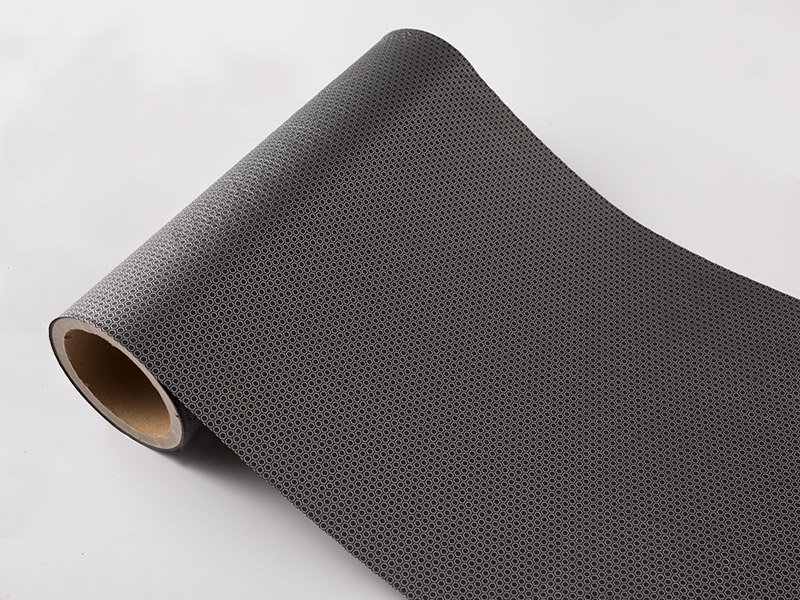 What are the applications and benefits of TPU Film in the manufacturing industry?
Applications of TPU Film:1. Packaging Industry: TPU film is commonly used in the packaging industry for a variety of applications. Its flexibility and strength make it an excellent choice for packagin...
-
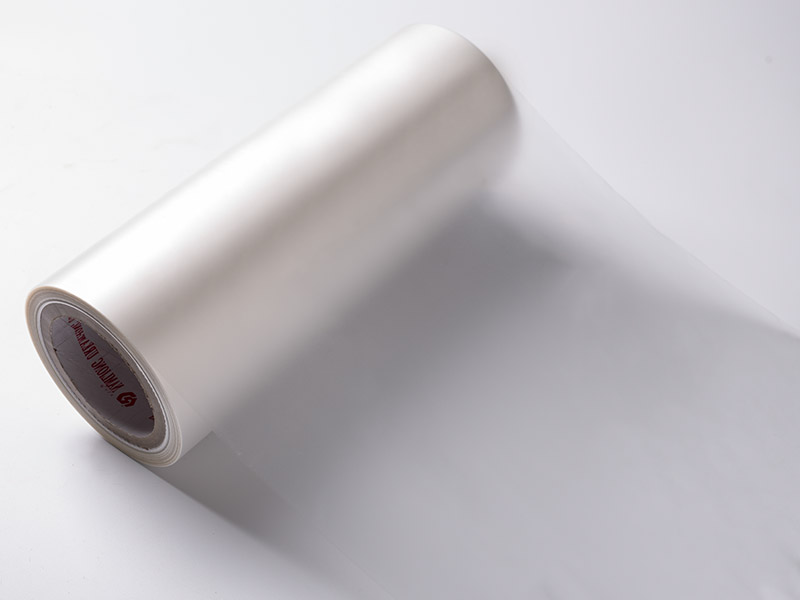 What are the characteristics of TPU film
TPU is more environmentally friendly than PVC. TPU and Hyundai's concept of environmental protection are attracted to each other and are loved. Regarding the characteristics of TPU film, we specially ...
-
 What are the 4 properties of TPU film
TPU film manufacturing industry used more materials, because it has special properties and advantages, manufacturers also love to use this material in production, what are the 4 properties of TPU film...
-
 What is thermoplastic polyurethane film?
Thermoplastic polyurethane (TPU) film stands as a versatile and innovative material in the modern world of polymer science. Known for its flexibility, durability, and resistance to various environment...
-
 Which film is better, TPU or PPF?
In the world of protective films, two prominent types often come into discussion: Thermoplastic Polyurethane (TPU) films and Paint Protection Films (PPF). Both provide protective characteristics but a...



Copyright © Jiaxing Nanxiong Polymer Co., Ltd.TPU Film Manufacturer