


What is thermoplastic polyurethane film?
Thermoplastic polyurethane (TPU) film stands as a versatile and innovative material in the modern world of polymer science. Known for its flexibility, durability, and resistance to various environmental factors, TPU film is utilized across various industries, enhancing product performance and longevity. This article delves into the fundamental aspects of TPU film, including its chemical composition, morphology, processing methods, applications, market overview, advantages, safety considerations, and future prospects.
Introduction to Thermoplastic Polyurethane Film
● Definition and Basic Characteristics
Thermoplastic polyurethane film is a type of polyurethane plastic that exhibits exceptional properties such as elasticity, transparency, and resistance to oil, grease, and abrasion. As a subclass of thermoplastic elastomers, TPU film consists of linear segmented block copolymers with both hard and soft segments. This unique structure imparts TPU film with its distinguished mechanical properties and wide application range. Whether it’s providing flexibility in a mobile phone case or durability in protective gear, the adaptability of TPU film makes it invaluable.
Chemical Composition and Structure
● Overview of Block Copolymer Segments
At the heart of TPU film's properties lies its chemical composition. TPU is a block copolymer composed of alternating hard and soft segments. These segments are formed through the reaction of diisocyanates with short-chain diols (chain extenders) and long-chain diols. By modulating the ratio, structure, and molecular weight of the reactants, chemists can fine-tune the properties of TPU to suit specific requirements.
● Role of Diisocyanates and Diols
The choice of diisocyanates and diols plays a pivotal role in determining the physical and mechanical properties of the TPU film. Diisocyanates contribute to the formation of hard segments that provide strength and resistance, while diols create the flexible, soft segments. This balanced combination allows for the creation of a material that is both robust and elastic.
Morphology and Phase Separation
● Hard and Soft Segments Interaction
The morphology of TPU film is characterized by the interplay between hard and soft segments. The hard segments, due to their high polarity, aggregate to form crystalline or pseudo-crystalline areas within a soft and flexible matrix formed by the soft segments. This phase separation results in a material that can stretch and flex without breaking, making it ideal for applications requiring high elasticity and durability.
● Impact on Mechanical Properties
The degree of phase separation significantly impacts the mechanical properties of TPU film. A higher degree of aggregation in the hard segments leads to increased crystallinity, enhancing the material's strength and resistance to deformation. Conversely, the flexible soft segments contribute to the film's elongation and flexibility, allowing it to withstand various mechanical stresses without permanent deformation.
Processing and Recycling
● Thermoplastic Processing Methods
One of the key advantages of TPU film is its thermoplastic nature, which allows it to be processed using conventional thermoplastic techniques such as extrusion, injection molding, and calendering. These methods enable the production of TPU films in various forms and shapes, catering to diverse industrial needs. Additionally, the thermoplastic property allows for efficient manufacturing and scalability, making TPU film a preferred choice for large-scale applications.
● Recyclability and Environmental Impact
The recyclability of TPU film further enhances its appeal in today's eco-conscious landscape. The material can be melted and reprocessed multiple times without significant loss of properties, contributing to reduced waste and environmental impact. This characteristic aligns with the growing demand for sustainable materials, positioning TPU film as an environmentally responsible choice.
Applications in Various Industries
● Automotive, Medical, and Consumer Electronics
The versatility of TPU film is evident in its wide range of applications across various industries. In the automotive sector, TPU film is used for instrument panels, seat covers, and protective coatings, providing durability and resistance to wear and tear. In the medical field, TPU film is employed in devices such as catheters, surgical drapes, and medical gloves due to its biocompatibility and flexibility. The consumer electronics industry also benefits from TPU film, with its use in mobile phone cases, keyboard protectors, and flexible screens ensuring product longevity and performance.
● Emerging Uses in 3D Printing
Another significant application of TPU film is in the realm of 3D printing. The unique properties of TPU, such as flexibility and elasticity, make it an ideal material for creating intricate and functional components using fused filament deposition (FFD) 3D printing. TPU powders are also utilized in selective laser sintering (SLS) and 3D inkjet printing, expanding the possibilities for creating high-performance prototypes and end-use products.
Types of TPU: Polyester vs. Polyether
● Comparison of Properties and Uses
TPU films can be broadly classified into polyester-based and polyether-based types, each with distinct properties and applications. Polyester-based TPUs, derived from adipic acid esters, are known for their high abrasion resistance, mechanical properties, and resistance to oils and greases. On the other hand, polyether-based TPUs, primarily made from tetrahydrofuran (THF) ethers, excel in low-temperature flexibility, hydrolysis resistance, and microbial resistance.
● Performance Characteristics
The choice between polyester-based and polyether-based TPU depends on the specific performance requirements. Polyester-based TPUs are preferred when high abrasion resistance and mechanical strength are essential, making them suitable for industrial and automotive applications. Polyether-based TPUs, with their superior hydrolysis and microbial resistance, are ideal for applications in wet and humid environments, such as medical devices and outdoor equipment.
Advantages of TPU Films
● High Durability and Flexibility
One of the standout advantages of TPU film is its exceptional durability and flexibility. The material can withstand significant wear and tear, making it suitable for high-stress applications. Its ability to maintain flexibility under different conditions ensures that it performs consistently, whether used in protective gear, automotive parts, or consumer electronics.
● Oil, Grease, and Abrasion Resistance
TPU film's resistance to oil, grease, and abrasion further enhances its appeal. These properties make it an excellent choice for applications requiring robust protective layers, such as in industrial machinery, sports equipment, and medical devices. The material's resilience ensures that products remain functional and intact even under harsh conditions, reducing maintenance costs and extending their lifespan.
Safety and Environmental Considerations
● Potential Health Concerns and Regulations
While TPU film offers numerous benefits, it is essential to consider potential health concerns and regulatory requirements. Some TPU films may contain siloxanes, substances identified as of very high concern by the European Union. Manufacturers and suppliers must comply with safety regulations and ensure that their products are safe for use in various applications. Continuous research and development are necessary to address any potential health risks and improve the overall safety profile of TPU films.
Future Prospects and Research Directions
● Advances in TPU Technology
The future of TPU film looks promising with ongoing advances in technology and research. Scientists and engineers are continually exploring ways to enhance the properties of TPU, develop new formulations, and improve processing techniques. These advancements aim to create TPU films with even better performance, increased durability, and wider application possibilities.
● Potential New Applications and Improvements
As technology evolves, so do the potential applications of TPU film. Innovations in fields such as wearable technology, flexible electronics, and medical devices may open new avenues for TPU film usage. Additionally, improvements in TPU formulations and processing methods can lead to more efficient and cost-effective production, making TPU film accessible to a broader range of industries and applications.
Introduction to Jiaxing Nanxiong Polymer
Inheriting the core values of Nanliang's group that "respect life, take care of environment", Jiaxing Nanxiong Polymer integrates these principles into its corporate vision. The company emphasizes "Sharing results with employees" as part of its mission. As a leading thermoplastic polyurethane film manufacturer, Jiaxing Nanxiong Polymer is committed to innovation, sustainability, and meeting customer needs. The company continuously strives for excellence, ensuring steady growth and long-term success.

Featured News
-
 What is polyurethane membrane made of
Polyurethane membranes are typically made of a type of polymer known as polyurethane. Polyurethane is a versatile synthetic material that is formed by the reaction of polyols (a type of alcohol) with ...
-
 PES membrane to meet the trend of mono material concept
PES membrane , also short of polyester membrane , is also called TPE membrane or TPEE membrane ,PBT membrane . It is a kind of polyester film , with good extensibility , good abrasion , high MVTR (moi...
-
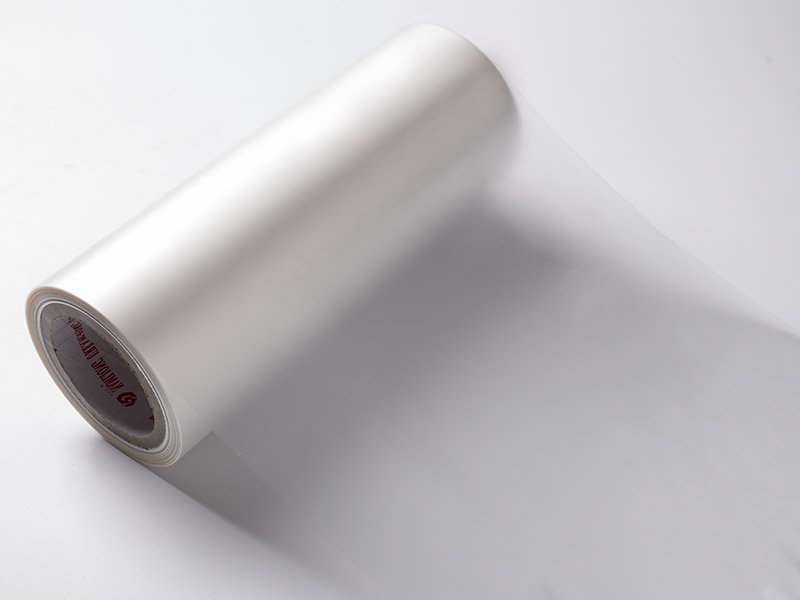 What are the key characteristics and applications of TPU membrane in the textile and outdoor industry?
Key Characteristics of TPU Membrane:1. Waterproof and Breathable: TPU membrane exhibits excellent waterproofing properties, making it an ideal choice for applications that require protection against m...
-
 TPU film is made from thermoplastic polyurethane
TPU film, also known as thermoplastic polyurethane film, is a versatile material used in a wide range of industries. It is a type of plastic film that is durable, flexible, and can be easily molded in...
-
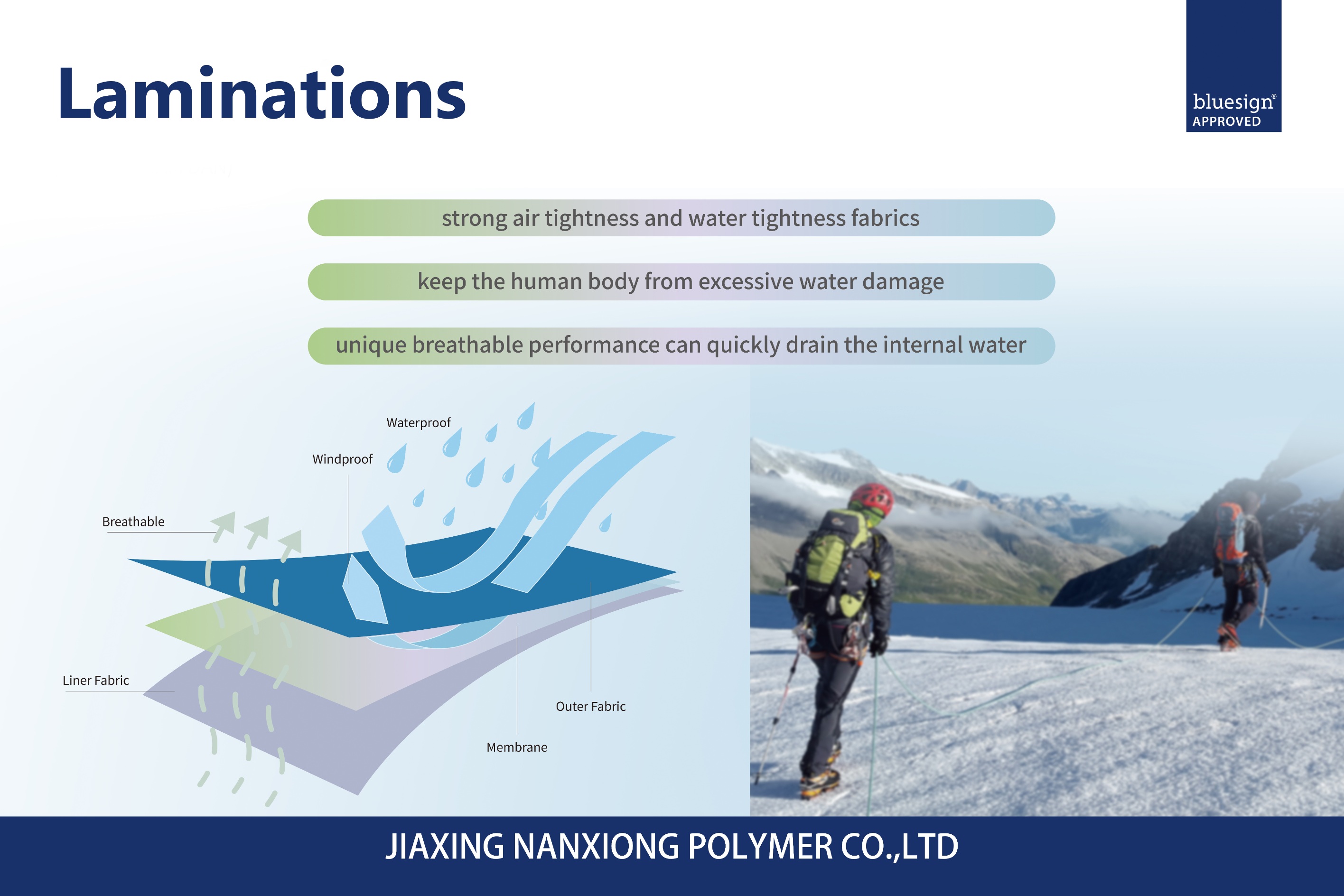 What are the advantages of the new TPU film process
TPU film is a plastic material often used in the plastic processing industry, now TPU is widely used in car production, refrigerator production, transportation, civil engineering construction, footwea...
-
 TPU film can be used to make which products
TPU film is one of the more widely used types of film, which not only has strong abrasion resistance, water resistance, but also has a certain viscosity, which can be used not only for the production ...



Copyright © Jiaxing Nanxiong Polymer Co., Ltd.TPU Film Manufacturer