


How does TPU membrane compare to other waterproof materials?
Introduction to Waterproof Materials
Waterproof materials play a crucial role in numerous industries, offering protection against moisture and corrosion. These materials are used extensively in outdoor apparel, automotive, construction, and more. With the demand for effective waterproof solutions growing, understanding the options available becomes essential for consumers and manufacturers alike.
Understanding TPU membrane
Composition and Structure
Thermoplastic Polyurethane (TPU) membrane is a versatile polymer known for its elasticity, transparency, and resistance to oil, grease, and abrasion. Composed primarily of linear segmented block copolymers, TPU combines the best properties of rubber and plastic, making it a preferred choice in flexible applications.
Physical Properties
TPU membranes exhibit excellent tensile strength, elongation at break, and a wide range of hardness. This makes them ideal for various waterproofing applications where durability and flexibility are required. Their ability to withstand low temperatures and high tear resistance further adds to their desirability.
Benefits of TPU Membrane
- Versatility: Suitable for diverse applications due to its adaptability.
- Durability: High resistance to wear and environmental factors.
- Eco-Friendly: Often biodegradable, reducing environmental impact.
- Cost-Effective: Offers long-term savings in maintenance and replacements.
Comparing TPU to Traditional Materials
PVC: Performance and Use Cases
Polyvinyl Chloride (PVC) is a common waterproof material but differs from TPU in several ways. PVC is more rigid, which can limit its use in flexible applications. While cost-effective, PVC's environmental impact is concerning due to its non-biodegradable nature.
Rubber: Differences in Application
Rubber provides excellent elasticity and waterproofing but lacks the versatility of TPU membranes. Rubber's heavier weight and difficulty in processing can limit its application, especially when lightweight or transparent materials are desired.
TPU vs. Alternatives
When comparing TPU to alternatives, its flexibility, environmental benefits, and strength make it a superior choice for many applications. TPU's ability to outperform other materials in longevity and adaptability solidifies its place in the market.
TPU Membrane in Outdoor Apparel
Breathability and Comfort
TPU membranes are widely used in outdoor apparel due to their balance of waterproofing and breathability. This unique combination helps in maintaining comfort without compromising weather resistance, making TPU a popular choice for outdoor enthusiasts and manufacturers.
Lightweight Advantage
One of the significant advantages of TPU in clothing is its lightweight nature. This translates to enhanced mobility and ease of wear, an important factor for athletes and adventurers. The efficiency of TPU in maintaining warmth and protection without bulk is a considerable advantage.
Industrial Applications of TPU Membranes
Automotive Sector
In the automotive industry, TPU membranes are used for interior linings, wiring covers, and protection films. Its durability and resistance to harsh conditions improve the longevity of parts, making it a cost-effective choice for manufacturers.
Construction and Architecture
TPU's adaptability makes it suitable for roofing and waterproofing solutions in construction. The membranes provide a robust shield against water infiltration, contributing to structural integrity and reducing maintenance costs for builders and developers.
Challenges in Using TPU Membrane
Despite its many advantages, TPU membranes also face challenges. Cost implications can be a barrier for some, although the long-term benefits often outweigh initial expenses. Additionally, specific applications may require blends or variations of TPU to meet unique demands, complicating sourcing for manufacturers and wholesalers.
Future of TPU in Waterproof Technology
TPU is expected to play a pivotal role in advancing lightweight, durable, and eco-friendly waterproof solutions. Innovations in manufacturing processes and new applications will likely drive further adoption across industries. As awareness of environmental impacts grows, the demand for sustainable materials like TPU from factories and manufacturers will continue to increase.
Conclusion: Choosing the Right Material
Selecting the right waterproof material depends on the application needs. For versatility, durability, and environmental considerations, TPU is often the preferred choice. Manufacturers and consumers must weigh the benefits and limitations of materials to ensure the best fit for their requirements.
nanxiongtpu Provide Solutions
nanxiongtpu specializes in producing high-quality TPU membranes, serving as a reliable manufacturer and wholesaler. Their solutions offer a balance of innovation and practicality, meeting the demands of various industries. With a focus on sustainability and performance, nanxiongtpu remains a leader in the production of TPU, supporting clients in achieving optimal waterproofing solutions.

Featured News
-
 What are the key applications and benefits of TPU (Thermoplastic Polyurethane) film in various industries, and how does it contribute to enhanced performance, durability, and versatility in product development?
Applications of TPU Film:1. Apparel and Footwear: TPU film is extensively used in the apparel and footwear industry. It is employed in manufacturing outerwear, sportswear, rainwear, and footwear compo...
-
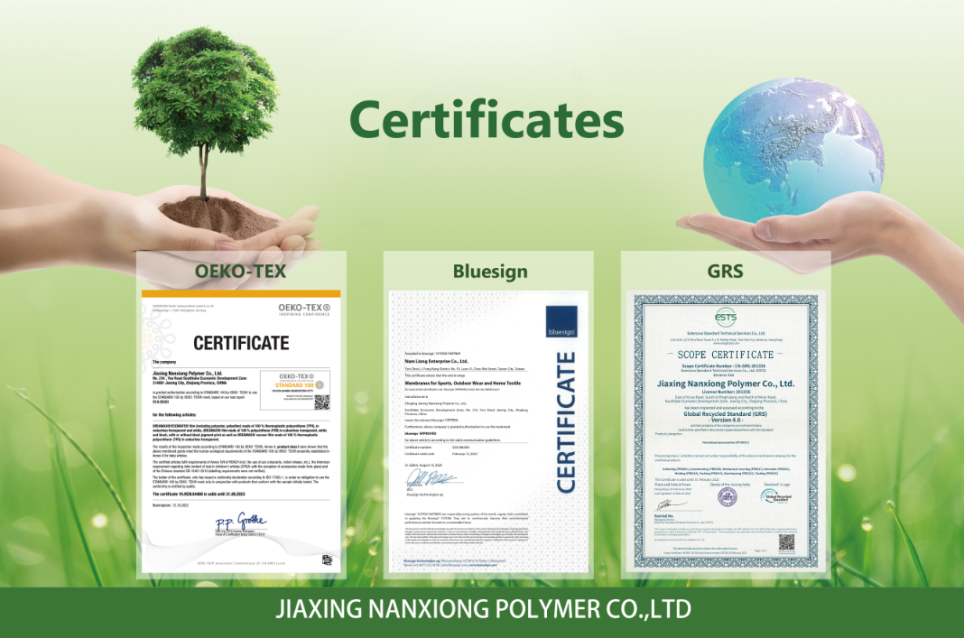 Professional TPU FILM manufacturer –Jiaxing Nanxiong
TPU, abbreviation ofthermoplastic polyurethane, is an environmentally friendly material, it has good performanceof elasticity , resistance to oil ,grease , abrasion and so on , TPU polymers meet the m...
-
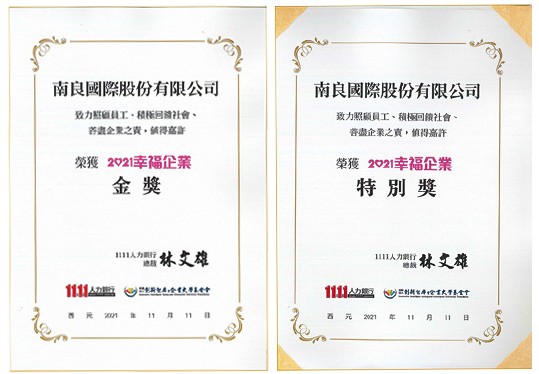 Nanliang International was selected as a Happy Enterprise by 1111 Human Resources Bank, and won the Gold Award & Special Award
1111 Human Resources Bank held the "2021 Happy Enterprise Voting Activity". Nanliang International (Stocks) Co., Ltd. conducted online voting and a professional evaluation team for "employee happiness...
-
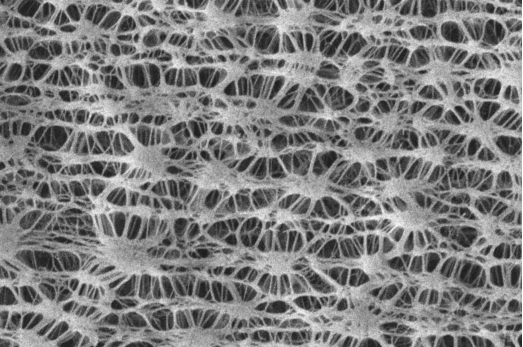 PP micro porous film to replace of PTFE membrane and PU micro porous membrane
PP, short of Polypropylene, via special processing , PP material was made into micro porous film with billions of micropores per square inch, the diameter is about 0.02 microns, so it can make moistur...
-
 How long does polyurethane waterproofing last?
Polyurethane waterproofing is a popular choice for protecting structures from water damage due to its durability, ease of application, and flexible properties. In this comprehensive article, we will e...
-
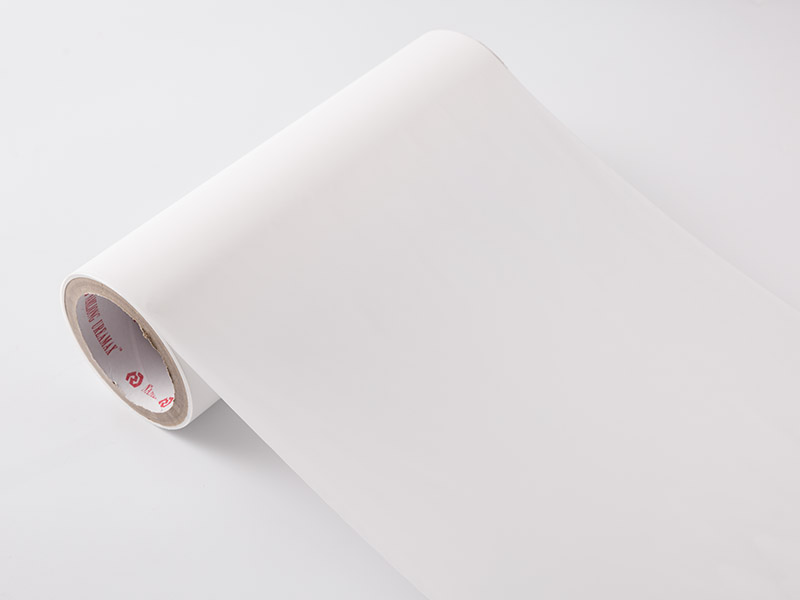 Different kinds of hydrophobic micro porous membranes
In the functional fabric lamination industry, hydrophilic membranes such as TPU, PU, and TPEE are widely used in outdoor hardshell jackets, windbreakers, mountaineering wear, down jackets, ski wear, a...



Copyright © Jiaxing Nanxiong Polymer Co., Ltd.TPU Film Manufacturer