


What are the advantages of TPU membrane compared to PVC for textiles?
Environmental benefits of TPU over PVC
Reduced environmental footprint across the life cycle
Thermoplastic polyurethane (TPU) membranes offer a significantly lower environmental burden than conventional PVC films commonly used in coated textiles. PVC typically contains 30–40% by weight of plasticizers (such as phthalates) to achieve softness, whereas many TPU membranes reach similar or better flexibility without any added plasticizer. Eliminating plasticizers reduces the risk of migration, micro‑pollution, and potential toxicity throughout the textile’s service life. In addition, PVC usually incorporates chlorine in its polymer backbone (about 56% by mass), which can generate hydrochloric acid and organochlorine compounds during incineration. TPU, being chlorine‑free, avoids this issue and is more compatible with cleaner energy recovery scenarios.
Recyclability and circular material management
TPU is a thermoplastic elastomer, meaning it can be melted and reprocessed multiple times under controlled conditions. Post‑industrial scrap from a textile coating line can be mechanically recycled with recovery rates above 90% if contamination is well managed. In contrast, PVC textile composites are more difficult to recycle because of their chlorine content and the need for stabilizers and plasticizers, which complicate reprocessing and often lead to down‑cycling rather than true closed‑loop recycling. For large‑scale Wholesale buyers and any Manufacturer or Factory targeting circular business models, TPU membranes provide a more realistic pathway to recycling, particularly in mono‑material constructions where TPU is laminated to polyester or nylon fabrics that can also be mechanically recovered.
Lower emissions in production and end‑of‑life
When comparing greenhouse gas emissions, TPU membranes often show a more favorable profile. While exact CO₂‑equivalent values vary by formulation and energy mix, life‑cycle assessments commonly report reductions of 10–25% in global warming potential for TPU‑coated textiles compared with PVC alternatives of similar thickness. At end‑of‑life, incinerating 1 kg of PVC can generate over 0.4 kg of HCl gas, requiring sophisticated flue‑gas neutralization. TPU, being halogen‑free, does not produce such acidic emissions, reducing the burden on waste‑to‑energy systems and lowering the risk of corrosion and secondary pollution.
Mechanical strength and durability in textiles
High tensile and tear strength at low thickness
TPU membranes exhibit superior mechanical performance compared with PVC when normalized by thickness. A typical aliphatic TPU film of 100 μm thickness can reach tensile strengths of 30–45 MPa and elongation at break from 400–600%. By contrast, many flexible PVC films in textile applications fall in the 15–25 MPa tensile strength range with 200–300% elongation at break. This means a TPU membrane of 80–100 μm can match or surpass the mechanical performance of a 150–200 μm PVC film, enabling lighter constructions while preserving robustness.
Excellent abrasion and puncture resistance
In standard abrasion tests (e.g., Martindale or Taber), TPU‑coated fabrics commonly reach wear cycles that are 1.5–3 times higher than comparable PVC‑coated materials before showing through‑wear or coating loss. Puncture resistance values for TPU membranes laminated onto 200–300 g/m² fabrics often exceed 100 N in standardized tests, whereas PVC composites of similar basis weight typically remain in the 60–80 N range. For technical textiles exposed to repeated mechanical stress—such as luggage, backpacks, inflatable structures, or protective covers—this higher abrasion and puncture resistance translates into a longer service life, reduced warranty claims, and lower total cost of ownership, especially in high‑volume Wholesale applications.
Fatigue and flex‑crack performance
Repeated bending and folding are critical for textile durability. TPU membranes maintain integrity over hundreds of thousands of flex cycles without visible cracking, even at low temperatures. In many flex‑crack tests (e.g., over 100,000 cycles at −20 °C), TPU shows no delamination and minimal loss in mechanical properties. PVC coatings are more prone to stress whitening, micro‑cracks, and embrittlement after prolonged flexural stress, particularly when plasticizer migration occurs. For sectors such as outdoor gear, footwear uppers, or technical garments that undergo repeated dynamic motion, TPU’s superior fatigue resistance is a distinct advantage.
Flexibility, softness, and hand feel
Soft touch without heavy plasticization
TPU membranes can achieve Shore A hardness values in the 70–95 range while maintaining a soft, elastic feel. The glass transition temperature (Tg) of many TPU grades sits between −50 and −10 °C, guaranteeing flexibility even in cold climates. PVC, by contrast, has a higher inherent Tg (around 80 °C) and requires significant plasticizer content (often 30–40%) to reach similar flexibility. Over time, plasticizers can migrate to the surface or into adjacent layers, leading to stiffening and a less pleasant hand feel. TPU does not rely on such additives, preserving its softness and elastic response throughout the textile’s lifetime.
Enhanced drape and comfort for apparel textiles
For garment applications—such as waterproof breathable jackets, softshells, or sportswear—drape and stiffness are key comfort attributes. TPU membranes of 15–30 μm laminated to lightweight fabrics (40–80 g/m²) can deliver bending stiffness values 20–40% lower than comparable PVC composites while ensuring similar hydrostatic head performance. This lower stiffness improves garment drape, reduces rustling noise, and makes clothing feel less bulky. For a Manufacturer or Factory designing high‑end apparel, TPU thus offers more attractive tactile and mechanical properties for consumers, while still meeting demanding performance specifications.
Consistency of properties over time
Because TPU membranes are formulated without volatile plasticizers, they tend to maintain their mechanical parameters over long periods. Typical Shore hardness and modulus values remain within ±5% after accelerated aging tests (e.g., 7–14 days at 70–80 °C), whereas PVC films can exhibit stiffness increases of 15–30% over the same conditions due to plasticizer loss. This long‑term stability is especially important for stock goods in Wholesale channels, where textiles may be stored for months or years before final conversion. Customers can expect consistent handling and processing behavior even after extended storage.
Weather, UV, and aging resistance
Improved UV stability with aliphatic TPU grades
Aromatic TPU grades already offer robust mechanical stability but may show some yellowing under intense UV. Aliphatic TPU membranes, however, are engineered for high UV resistance, with color shift (ΔE) values often below 3–5 after 1,000 hours in accelerated weathering tests. Many PVC‑coated textiles show more pronounced yellowing and gloss loss under the same conditions, even when stabilized. For outdoor textiles exposed to strong sunlight—awnings, boat covers, tents—TPU’s UV performance helps preserve aesthetics and mechanical integrity over longer service intervals.
Resistance to ozone, oxidation, and hydrolysis
TPU membranes provide strong resistance to ozone and oxidative degradation, limiting surface cracking and chalking. In hydrolysis tests (e.g., 70 °C, 95% relative humidity), high‑quality polyester‑based TPU grades often maintain over 80–90% of their tensile strength after 1,000 hours. Many PVC films experience more marked property losses under similar warm, humid conditions, especially when plasticizers leach or hydrolyze. For technical textiles used in tropical or maritime climates, this hydrolysis resistance is particularly valuable, maintaining performance in conditions that typically accelerate PVC aging.
Stable performance across a wide temperature range
TPU maintains flexibility down to −40 °C for many grades and can operate continuously up to 80–90 °C, with peak excursions up to around 120 °C for short periods. PVC membranes usually become noticeably brittle below −10 to −20 °C, with bend tests often showing cracking after a few cycles. For applications ranging from cold‑storage curtains to winter sports gear and high‑altitude equipment, the extended service temperature window of TPU membranes ensures mechanical reliability that PVC frequently cannot match.
Breathability, comfort, and moisture management
Microporous and monolithic breathable TPU membranes
TPU membranes for textiles are available in microporous and monolithic breathable constructions. Microporous TPU films use a network of nano‑ and micro‑pores to allow water vapor to pass while blocking liquid water. Typical water vapor transmission rates (WVTR) reach 5,000–15,000 g/m²/24 h at 38 °C, depending on thickness and formulation. Monolithic hydrophilic TPU membranes, which rely on molecular diffusion, can reach even higher WVTR values—often 15,000–25,000 g/m²/24 h—while remaining absolutely waterproof. Conventional PVC membranes used in textiles are generally non‑breathable or only marginally breathable, with WVTR often below 1,000 g/m²/24 h.
Balancing waterproofness with water vapor permeability
A well‑designed TPU membrane system can achieve hydrostatic head values above 10,000–20,000 mm H₂O while maintaining WVTR in the 10,000–20,000 g/m²/24 h range. This combination surpasses most PVC‑coated fabrics of similar weight, which typically reach 5,000–10,000 mm H₂O but at the cost of almost zero breathability. For performance outerwear, footwear linings, and medical protective garments, this balance between impermeability to rain and rapid moisture transport from the body is crucial to comfort and long‑term wearer compliance.
Enhanced comfort for long‑term wear
Because TPU membranes can be engineered to be thin, elastic, and breathable, garments and equipment feel less clammy and accumulate less condensation during intensive activity. Micro‑climate studies inside garments show that TPU‑based breathable shells can reduce internal relative humidity by 10–20 percentage points compared with non‑breathable PVC shells under equivalent activity levels. For a Manufacturer targeting premium sports, outdoor, or medical sectors, TPU membranes provide a clear performance advantage in terms of user comfort and perceived quality.
Chemical, oil, and hydrolysis resistance
Resistance to oils, fuels, and cleaning agents
TPU exhibits strong resistance to many oils, greases, and fuels, making it suitable for industrial, automotive, and protective textile applications. Volume swell in mineral oil for TPU is often below 10–20% after 24 hours at 23 °C, while PVC can show higher swell and softening, especially when plasticizers are partially extracted. TPU membranes also tolerate many detergents, mild solvents, and cleaning agents, an important factor for reusable medical textiles, workwear, and outdoor gear that undergo regular washing or disinfection cycles.
Hydrolysis‑resistant TPU for high‑humidity environments
Hydrolysis resistance is critical wherever textiles face prolonged exposure to moisture and elevated temperatures. Polyester‑based TPU grades specially stabilized for hydrolysis can retain more than 80% of their original tensile strength after 3–4 weeks in hot‑water immersion at 70 °C. Many PVC‑coated fabrics show more rapid degradation of mechanical properties under such conditions. For tents, tarpaulins, boat fabrics, and inflatable structures in coastal or tropical regions, this durability profile significantly extends service life and minimizes premature failures.
Biological and microbial resistance
Well‑formulated TPU membranes resist fungal and microbial attack due to their dense polymer structure and hydrophobic character. Fungal growth tests often show no visible growth after 28 days of exposure under favorable conditions when appropriate additives are used. PVC coatings can also be robust but may require specialized biocides to counteract plasticizer‑driven microbial growth. TPU’s lower reliance on such additives simplifies formulation and can help reduce regulatory complexity for Wholesale programs targeting sensitive applications, such as hospital bedding or food‑contact adjacent textiles.
Processing versatility and lamination to fabrics
Compatibility with multiple processing technologies
TPU membranes are highly versatile in processing. They can be extruded, cast, calendered, or formed into films and then laminated via hot‑melt, flame lamination, or adhesive lamination. Typical processing temperatures range from 160–210 °C, which are compatible with polyester and nylon substrates commonly used in technical textiles. This flexibility enables a Factory to integrate TPU membranes into existing coating and lamination lines with relatively limited modification.
Strong adhesion to diverse textile substrates
The polar chemistry of TPU supports good adhesion to a wide range of fibers, including polyester, polyamide, and certain specialty fibers. Peel strengths above 3–5 N/cm are routinely achievable in composite fabrics without complex surface treatments. With optimized process parameters, peel strengths greater than 8 N/cm are possible, exceeding many PVC‑textile bonds and improving durability under repeated washing and flexing. This reliable adhesion reduces risk of delamination in demanding applications, such as ski wear, motorcycle gear, and inflatable safety products.
Design freedom in multilayer constructions
Because TPU can be produced in a wide hardness range and in both transparent and colored forms, it lends itself well to sophisticated multilayer constructions: 2‑layer and 3‑layer laminates, reinforcement inserts, gradient stiffness zones, and localized reinforcement patches. Membrane thickness can be finely tuned from ultra‑thin 10–15 μm for lightweight garments to 250–300 μm for heavy‑duty industrial textiles. PVC, while processable, is more limited when attempting very thin, soft, yet durable films without high plasticizer content, and is less suitable for advanced breathable laminates.
Weight reduction and performance optimization
Lower coating weight for equivalent performance
Because TPU membranes deliver higher tensile and tear strength per unit thickness than PVC, it is often possible to reduce coating weight while maintaining or improving performance. Replacing a 200 μm PVC coating (approximately 240 g/m², based on ~1.2 g/cm³ density) with a 120 μm TPU coating (around 132 g/m², at ~1.1 g/cm³ density) can cut coating mass by nearly 45% while still meeting key mechanical targets. For large‑surface products such as tarpaulins or tents, this weight reduction significantly improves handling, transport efficiency, and installation ergonomics.
Impact on system‑level performance
Weight reduction at the membrane level translates into measurable system‑level benefits. In backpacks and luggage, trimming 100–200 g from shell fabrics can reduce user fatigue on long journeys. In sports apparel, even a 10–15% reduction in garment weight can improve user comfort and movement freedom. For inflatable products, lighter TPU membranes can lower total mass by 15–30% relative to PVC‑based designs, which in turn reduces inflation time and simplifies storage. At the Wholesale level, these performance improvements help differentiate product lines and justify premium positioning.
Optimized thickness and structure for each use
TPU membranes can be engineered with tailored modulus, elongation, and hardness profiles to match the specific needs of each textile segment. For delicate fashion rainwear, 10–20 μm breathable TPU paired with fine denier fabrics delivers a lightweight, soft shell. For industrial hoses or flexible ducts, 200–300 μm high‑strength TPU offers robust pressure resistance. This tunability allows every Manufacturer or Factory to fine‑tune the trade‑off between weight, protection, flexibility, and cost for each product category.
Health, safety, and regulatory compliance
Chlorine‑free and low‑emission material profile
TPU’s chlorine‑free backbone helps avoid the generation of dioxins and hydrochloric acid under uncontrolled burning conditions, which is a core concern with PVC. During production and use, properly formulated TPU membranes are characterized by low levels of volatile organic compounds (VOCs), often below 50–100 μg/m³ after curing and conditioning, contributing to healthier indoor air quality in enclosed environments such as tents, vehicle interiors, or protective covers.
Reduced reliance on controversial plasticizers
Mainstream TPU formulations do not require phthalate plasticizers to achieve softness and flexibility. This is an important regulatory advantage as many regions impose strict limits or bans on certain phthalates in consumer products—particularly in children’s items, medical devices, and food‑related applications. PVC usually depends on plasticizers, making regulatory compliance more complex and increasing documentation burdens for Wholesale programs and public tenders. TPU allows brands and manufacturers to meet stringent chemical compliance frameworks more easily.
Alignment with eco‑labels and procurement standards
Textiles incorporating TPU membranes instead of PVC can more readily meet the criteria of various eco‑labels and green public procurement rules that prioritize halogen‑free materials and low emissions. This can open access to more tenders in infrastructure, transportation, and public institutions, where PVC restrictions are becoming more common. For a Manufacturer planning long‑term product portfolios, transitioning from PVC to TPU can thus be a strategic move toward future regulatory resilience.
Application examples and market trends shift
Apparel, footwear, and outdoor equipment
In performance apparel and footwear, TPU membranes now dominate many premium segments. Waterproof‑breathable jackets, ski pants, hiking boots, and running shoes increasingly rely on thin TPU films to provide waterproofness, windproofness, and breathability. Typical garment constructions combine 15–30 μm TPU membranes with face fabrics from 40–150 g/m², achieving garment weights that are 15–30% lower than comparable PVC‑coated items with greatly improved comfort and longevity.
Technical and industrial textiles
Beyond apparel, TPU membranes are expanding rapidly into technical and industrial textiles: flexible tanks, inflatable shelters, air‑cushioned packaging, protective covers, and conveyor belts. For example, TPU‑coated fabrics in the 300–800 g/m² range provide combinations of tear strength (>200 N), high puncture resistance (>100 N), and excellent low‑temperature flexibility, supporting year‑round outdoor use. As more industrial users specify halogen‑free and recyclable materials, demand for TPU alternatives over PVC is steadily increasing at both Wholesale and OEM levels.
Medical, automotive, and specialty applications
In medical and healthcare textiles, TPU membranes are used for mattress covers, surgical gowns, and barrier fabrics requiring fluid impermeability, disinfectant resistance, and skin‑friendly surfaces. In automotive interiors and seating, TPU fabrics help reduce VOC emissions and avoid halogenated materials. Specialty sectors such as protective military gear, emergency equipment, and aerospace interiors also benefit from TPU’s balance of strength, weight, and regulatory compliance. The market trend is clear: each year, more applications migrate from PVC to TPU as technical requirements and environmental expectations rise.
nanxiongtpu Provide solutions
nanxiongtpu provides TPU membrane solutions tailored to textile Wholesale, Manufacturer, and Factory requirements, emphasizing performance, durability, and compliance. By combining precise control of hardness (Shore A 70–95), thickness (10–300 μm), and breathability (WVTR up to 25,000 g/m²/24 h) with strong mechanical strength and halogen‑free formulations, nanxiongtpu enables customers to replace PVC in apparel, outdoor gear, industrial textiles, and medical products. Technical support covers material selection, lamination process optimization, and customized formulations that help reduce weight, extend service life, and meet evolving regulatory and sustainability targets worldwide.
User hot search: TPU membrane for home textile factory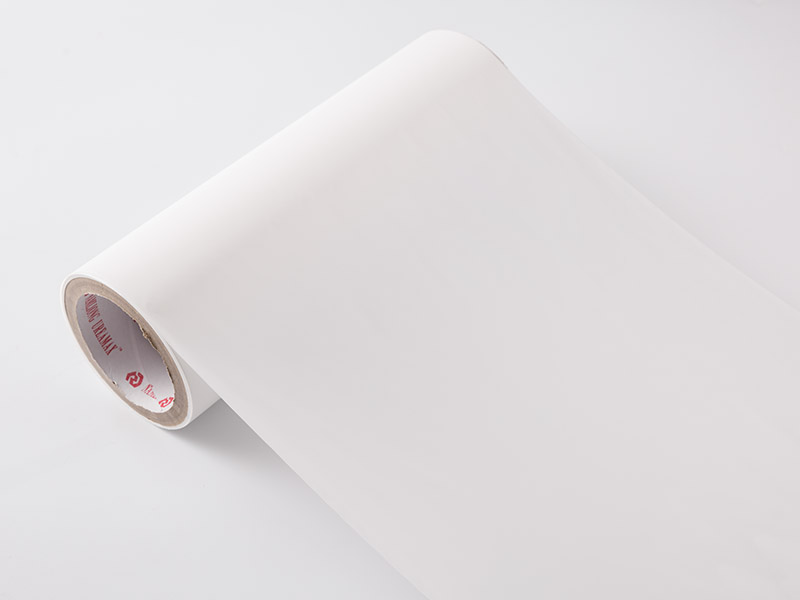
Featured News
-
 TPU Polymer: The Future of Plastic and Polymer Industry
TPU Polymer, also known as Thermoplastic Polyurethane, has been making waves in the plastic and polymer industry lately. This innovative material has been designed to offer an array of benefits that m...
-
 What are the different types of microporous membranes?
Microporous membranes have become essential elements in various industrial and environmental applications, particularly where separation processes are crucial. These membranes are distinguished by the...
-
 Is PU film waterproof?
Introduction to PU Film: Understanding Its Purpose Polyurethane (PU) film is a versatile material widely recognized in both medical and industrial sectors. Its prominence spans various applications du...
-
 What is the density of TPEE material?
Introduction to TPEE Material ● Overview of Thermoplastic Polyester Elastomer (TPEE) Thermoplastic Polyester Elastomer (TPEE) is a versatile polymer known for its blend of rubber-like elasticity and ...
-
Are TPU membranes durable in comparison to other textile coatings?
Introduction to TPU Membranes and Textile Coatings Thermoplastic polyurethane (TPU) membranes have emerged as a significant advancement in textile coatings, offering a balance of flexibility, durabili...
-
 What is PU film used for?
Introduction to PU film Polyurethane (PU) film is a versatile material widely used across various industries due to its excellent properties. It is known for its flexibility, durability, and waterproo...



Copyright © Jiaxing Nanxiong Polymer Co., Ltd.TPU Film Manufacturer