


Polyester Membrane: Key Features and Advantages Explained
Introduction to polyester membranes
In the ever-evolving landscape of construction and industrial applications, the need for materials that ensure longevity and durability is paramount. Among these materials, the polyester membrane has emerged as a significant player, recognized for its resilience and versatility. Its primary function extends beyond waterproofing systems, offering solutions in various applications that demand robust and reliable performance. This article will comprehensively explore the polyester membrane, examining its composition, installation processes, and the benefits it offers over other materials.
Composition and Structure
● Materials Used in Polyester Membranes
The fundamental building block of a polyester membrane is woven polyester fabric, comprised of tightly interlocked polyester threads. This configuration imparts several advantageous properties, such as high tensile strength, flexibility, and exceptional resistance to environmental factors. Polyester, being a synthetic polymer derived from petrochemical processes, guarantees consistent quality and performance, reinforcing the membrane's reputation as a dependable solution in demanding environments.
● Structural Properties
The structural integrity of polyester membranes is largely attributed to their woven nature. This construction provides notable durability and strength, enabling the membrane to withstand significant stress and strain without tearing or deforming. Such strength makes it an ideal choice for applications necessitating long-term performance and reliability. Moreover, its resistance to UV radiation and chemicals further enhances the membrane's lifespan, even when employed in harsh conditions.
Durability and Longevity
● Resistance to Physical Wear and Tear
Polyester membranes are engineered to resist the physical challenges inherent in various industrial and construction environments. Their durability is unparalleled, stemming from their innate ability to endure mechanical stresses and environmental impacts without compromising their integrity.
● Lifespan in Various Environments
The exceptional resilience of polyester membranes ensures a long service life, even when exposed to adverse conditions. The material's ability to resist degradation from UV radiation and other environmental factors makes it a preferred choice for long-term applications, minimizing the need for frequent replacements or repairs.
Corrosion and Dirt Resistance
● Mechanisms of Resistance
Polyester membranes are inherently resistant to corrosion and dirt accumulation, two factors that can significantly impair other materials. This resistance is due to the chemical composition of the polyester polymer, which acts as a formidable barrier against these detrimental elements.
● Benefits in Harsh Conditions
In environments where exposure to corrosive substances and abrasive particles is inevitable, polyester membranes provide a reliable solution. Their ability to withstand such conditions not only extends their lifespan but also ensures that the structures they protect remain uncompromised.
Lightweight and Flexible Qualities
● Ease of Transportation and Installation
One of the notable attributes of polyester membranes is their lightweight nature, which simplifies transportation and handling during installation. This quality not only reduces labor costs but also accelerates the installation process, making it a practical choice for large-scale projects.
● Flexibility in Design and Application
The flexibility of polyester membranes allows them to adapt to various architectural designs and construction requirements. This adaptability is crucial in applications where conventional materials may fall short, offering a bespoke solution that meets specific project demands.
Ease of Installation and Maintenance
● Installation Processes and Techniques
Installing a polyester membrane involves a series of meticulous steps to ensure optimal performance. The process begins with thorough surface preparation, followed by the application of a liquid waterproofing agent. The membrane is then embedded into this layer, ensuring full integration and adherence.
● Maintenance Requirements and Procedures
Once installed, polyester membranes require minimal maintenance, underscoring their cost-effectiveness. Routine inspections and minor touch-ups, when necessary, suffice to maintain their functionality, allowing them to provide reliable protection over an extended period.
Versatility Across Industries
● Usage in Construction, Automotive, and Electronics
Polyester membranes are employed across a broad spectrum of industries, including construction, automotive, and electronics. In construction, they serve as effective waterproofing solutions. In the automotive industry, they contribute to noise reduction and structural integrity. In electronics, they offer protective measures against environmental factors.
● Examples of Industry-Specific Applications
In construction, polyester membranes are often used in roofing and basement waterproofing systems. In the automotive sector, they are implemented in sealing and vibration dampening applications. Meanwhile, in electronics, they are utilized to shield sensitive components from moisture and dust.
Environmental and Economic Benefits
● Cost-Effectiveness of Polyester Membranes
The cost-effectiveness of polyester membranes is evident through their longevity and minimal maintenance requirements. Their durable nature translates to fewer replacements, resulting in significant cost savings over time.
● Environmental Impact and Sustainability
From an environmental standpoint, polyester membranes are favorable due to their long lifespan and reduced waste generation. Their sustainability is further enhanced by advancements in recycling and eco-friendly manufacturing processes, aligning with global efforts to promote green construction practices.
Comparative Advantages Over Other Materials
● Benefits Over Alternative Waterproofing Solutions
When compared to other waterproofing materials, polyester membranes boast several distinct advantages. Unlike bitumen-based systems, they exhibit greater flexibility and are less prone to cracking under temperature fluctuations. Their seamless nature eliminates the risk of leaks common with sheet-based materials that have joints or seams.
● Case Studies or Examples
Numerous projects have demonstrated the superiority of polyester membranes in waterproofing. For instance, large commercial structures have benefited from their ability to accommodate structural movements without compromising the integrity of the waterproof barrier.
Future Trends and Innovations
● Recent Developments in Polyester Membrane Technology
The field of polyester membrane technology is continually advancing, with innovations enhancing their performance and expanding their applications. Developments in material science have led to improved durability, greater environmental resistance, and increased versatility.
● Potential Future Uses and Market Growth
Looking ahead, the demand for polyester membranes is expected to rise as industries seek sustainable and cost-effective solutions for their infrastructural needs. Potential future applications may include more extensive use in renewable energy sectors and further integration in smart building technologies.
About Jiaxing Nanxiong Polymer
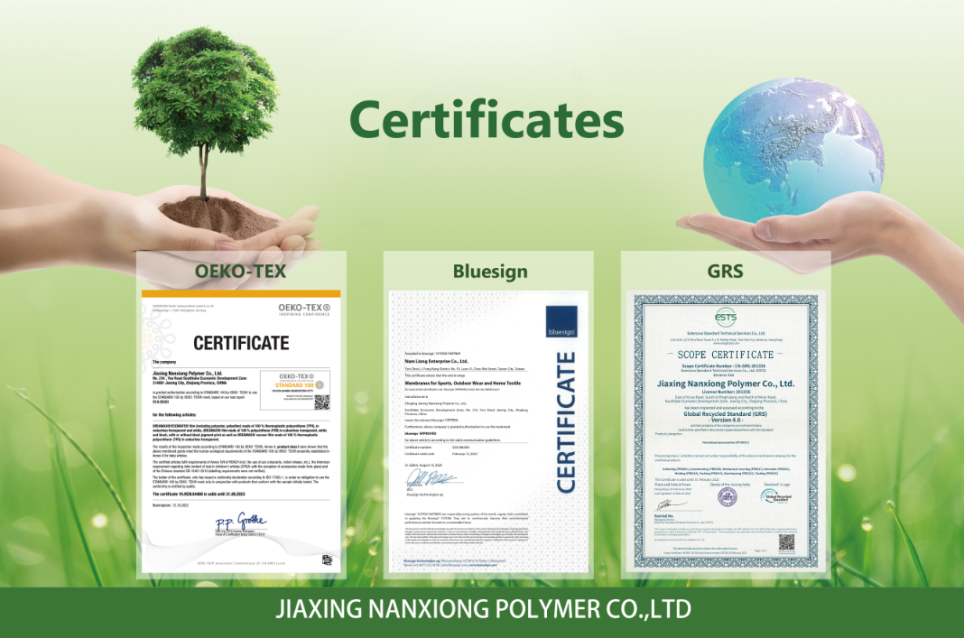
Jiaxing Nanxiong Polymer, a branch of Nanliang International Co., Ltd., embodies the core values of respect for life and environmental stewardship. Committed to innovation and transformation, the company collaborates with renowned global brands to develop cutting-edge products. Jiaxing Nanxiong Polymer excels in personal safety, automotive, and textile industries, offering products certified by ISO 9001 and ISO 14001. Their dedication to sustainability and innovation has positioned them as a leader in green materials, contributing significantly to human health and environmental care.

Featured News
-
 Professional TPU FILM manufacturer –Jiaxing Nanxiong
TPU, abbreviation ofthermoplastic polyurethane, is an environmentally friendly material, it has good performanceof elasticity , resistance to oil ,grease , abrasion and so on , TPU polymers meet the m...
-
 Why TPU film is different from traditional products
TPU film material can be made from MDI, TDI, and other materials together, its molecular structure is alternately complex, in terms of the current market demand, TPU has been widely recognized and use...
-
 What to pay attention to when producing TPU film
TPU film is a thermoplastic polyurethane film. Compared with ordinary films, it has been greatly improved in terms of wear resistance, thermal insulation and wind resistance. In the process of making ...
-
 Advantages of TPU film for outdoor gloves
When it comes to outdoor activities, a suit of comfortable and professional gear can make you feel great. No matter hiking, skiing or just some activities adventuring, a pair of gloves is essential. O...
-
 Is PU film breathable?
Polyurethane (PU) film has found increasing applications across various industries, thanks to its impressive mechanical properties and versatile nature. But a common question arises: This article del...
-
What is bio-based TPU?
Introduction to Bio-Based TPU ● Definition and Overview of Bio TPU In recent years, the demand for sustainable and environmentally friendly materials has surged, leading to the development and increa...



Copyright © Jiaxing Nanxiong Polymer Co., Ltd.TPU Film Manufacturer