


What is polyurethane film used for?
Introduction to Polyurethane Film
● Definition and Basic Properties
Polyurethane film is a versatile material derived from polyurethane, which in turn is a polymer composed of organic units joined by carbamate links. Known for its durability, flexibility, and resilience, polyurethane film is used in a wide array of industries. It can be manufactured to be either rigid or flexible, enhancing its applicability. The inherent qualities of this film such as high tensile strength, abrasion resistance, and chemical stability make it an invaluable resource in multiple sectors.
● Historical Context and Development
The development of polyurethane film dates back to the 1930s when Otto Bayer first synthesized polyurethane. Originally limited to rigid forms, advancements in chemical engineering led to the development of flexible polyurethane films. This evolution expanded its use from industrial applications to everyday consumer products. Today, polyurethane film is produced by various manufacturers and suppliers globally, contributing to its widespread availability and affordability.
Medical Applications of Polyurethane Film
● Use in Wound Dressings and Medical Tapes
One of the primary uses of polyurethane film is in the medical field, specifically in wound care products such as dressings and tapes. Polyurethane film is semi-permeable, allowing moisture vapor to pass through while keeping out pathogens and external contaminants. This quality makes it ideal for creating a moist healing environment that accelerates wound healing while reducing the risk of infection.
● Breathability and Patient Comfort
Polyurethane film is valued for its breathability and patient comfort in medical applications. The film's ability to allow air and moisture to pass through while retaining a waterproof barrier makes it suitable for use in dressing wounds and medical tapes that require prolonged contact with the skin. This ensures that the skin remains dry and comfortable, reducing the risk of maceration and irritation.
Polyurethane Film in Textiles
● Waterproofing and Breathability in Clothing
Polyurethane film plays a significant role in the textile industry, particularly in the manufacture of waterproof and breathable clothing. The film can be laminated onto fabrics to create garments that provide excellent weather protection without sacrificing comfort. This is particularly important in outdoor and sportswear, where maintaining a balance between waterproofing and breathability is crucial.
● Applications in Sportswear and Fashion
In addition to functional clothing, polyurethane film is also used in fashion textiles. It can be incorporated into various fabrics to create unique textures and finishes. Whether it's for adding a glossy sheen or creating a durable, flexible garment, polyurethane film helps fashion designers create innovative and high-performance clothing.
Automotive Industry Uses
● Protective Car Wraps and Paint Protection
The automotive industry utilizes polyurethane film extensively for protective car wraps and paint protection films. These films safeguard a vehicle’s paint from environmental damage, including UV rays, road debris, and chemical exposure. Polyurethane film's clear, durable, and flexible nature makes it an ideal material for maintaining a car's aesthetic appeal and resale value.
● Interior Applications for Durability
Inside vehicles, polyurethane film is used to enhance the durability and longevity of various components such as dashboards, seats, and door panels. Its abrasion resistance and flexibility help in protecting these surfaces from wear and tear, thus extending the lifespan of the vehicle's interior furnishings.
Industrial Uses of Polyurethane Film
● Packaging and Protective Barriers
In the industrial sector, polyurethane film is vital for creating packaging materials and protective barriers. Its durability and puncture resistance make it ideal for protecting goods during transport and storage. Moreover, it can be used in the construction of industrial liners and covers that require a robust protective barrier.
● Insulation and Durability
Polyurethane film is also used extensively for insulation purposes. It acts as an effective barrier against moisture, air, and contaminants, making it essential in various insulation applications. This includes refrigerated transport, HVAC systems, and construction materials where maintaining temperature and preventing contamination are crucial.
Consumer Electronics Protection
● Screen Protectors and Device Covers
In the realm of consumer electronics, polyurethane film is commonly used for screen protectors and device covers. Its scratch-resistant and transparent properties make it ideal for protecting screens of smartphones, tablets, and other electronic devices. It helps extend the life of these devices by preventing scratches, dings, and other forms of surface damage.
● Shock Absorption and Scratch Resistance
Not only does polyurethane film provide scratch resistance, but it also offers significant shock absorption, protecting devices from the impacts of drops and bumps. This makes it a popular choice among manufacturers and consumers looking to safeguard their electronics without compromising on aesthetics or functionality.
Food Industry Applications
● Food Packaging and Preservation
Polyurethane film is extensively used in the food industry for packaging purposes. Its barrier properties help in preserving the freshness of food items by protecting them from moisture, oxygen, and other external factors. This extends the shelf life of perishable goods and ensures that they remain safe for consumption.
● Safety and Non-Toxicity
The non-toxic nature of polyurethane film makes it suitable for food contact applications. It does not leach harmful chemicals into food products, ensuring they remain safe for consumption. This quality is especially important in creating packaging for sensitive food items that require stringent safety standards.
Construction and Building Uses
● Waterproofing Membranes and Sealants
In the construction industry, polyurethane film is used for waterproofing membranes and sealants. Its ability to form a seamless, waterproof barrier makes it ideal for roofing, foundations, and other applications requiring moisture protection. This helps in preventing water damage and prolonging the lifespan of buildings and structures.
● Insulation Properties and Energy Efficiency
Polyurethane film also contributes to energy efficiency in buildings. Its insulating properties help in maintaining indoor temperatures by preventing heat loss in winter and heat gain in summer. This reduces the need for artificial heating and cooling, leading to lower energy consumption and costs.
Environmental and Biodegradable Options
● Advances in Eco-Friendly Polyurethane Films
With growing concerns about environmental sustainability, there have been significant advancements in eco-friendly polyurethane films. Manufacturers are developing biodegradable and recyclable options to reduce the environmental impact of polyurethane products. These eco-friendly films maintain the same high-performance standards while being more environmentally responsible.
● Recycling and Sustainability Efforts
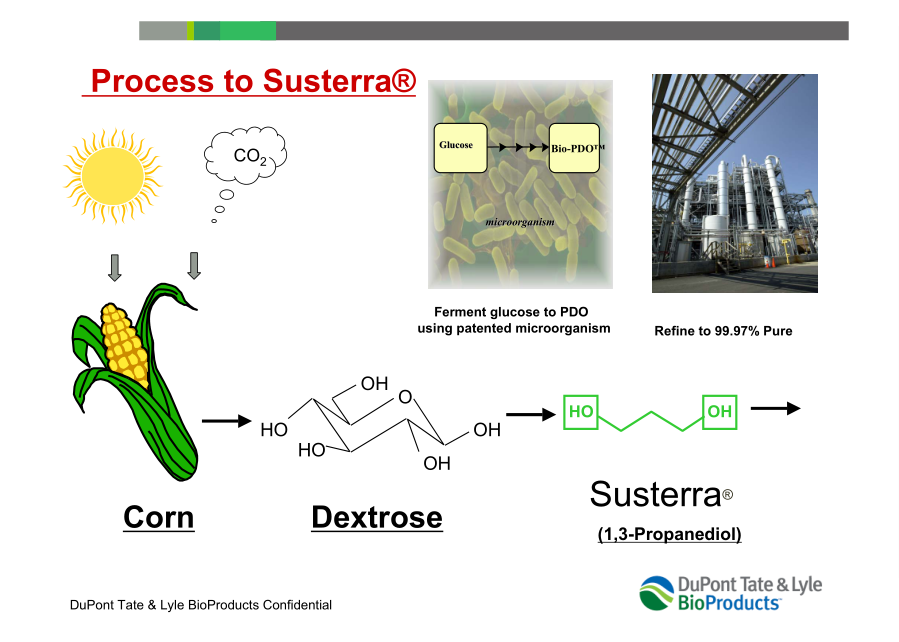
Polyurethane film manufacturers and suppliers are increasingly focusing on recycling and sustainability. By developing processes to recycle polyurethane materials and using renewable resources in production, the industry is moving towards a more sustainable future. These efforts are essential in minimizing the environmental footprint of polyurethane film products.
Future Trends and Innovations in Polyurethane Film
● Emerging Technologies and Applications
The future of polyurethane film looks promising, with numerous emerging technologies and applications on the horizon. Innovations include self-healing films, advanced composites, and smart materials that respond to environmental stimuli. These new developments are set to expand the uses of polyurethane film in various industries.
● Challenges and Potential Developments
While there are exciting opportunities, there are also challenges that the polyurethane film industry must address. These include improving the biodegradability of polyurethane products, enhancing recycling processes, and developing new formulations that meet regulatory requirements. Tackling these challenges will be crucial for the continued growth and evolution of the industry.
About Nanxiong Polymer
Inheriting the core values of Nanliang’s group that "respect life, take care of environment", Nanliang International Co., Ltd. Jiaxing Branch "Sharing results with employees" and other elements are incorporated into the corporate vision. In the future, we will not only continue to base ourselves on both sides of the strait, but also devote to the inheritance of experience, the continuation of the corporate spirit, and constantly pursue innovation and transformation. In order to be able to use macro-level attempts. We will work together with young vitality to meet customer needs, develop steadily and operate continuously. Nanxiong Polymer is involved in industries ranging from personal safety protection products to automotive interior materials, and is committed to the development of green materials.
In conclusion, polyurethane film is an incredibly versatile material with applications spanning numerous industries—from medical and textiles to automotive, industrial, and beyond. With ongoing advancements and a focus on sustainability, polyurethane film will continue to play a crucial role in various sectors, meeting diverse needs and driving innovation.

Featured News
-
 What are the key characteristics and applications of TPU membrane in the textile and outdoor industry?
Key Characteristics of TPU Membrane:1. Waterproof and Breathable: TPU membrane exhibits excellent waterproofing properties, making it an ideal choice for applications that require protection against m...
-
 How can PU Graphene Membrane be used in the water filtration industry?
PU Graphene Membrane is a revolutionary material that has the potential to transform the water filtration industry. With its exceptional properties, PU Graphene Membrane can provide a more effective a...
-
 What is TPU film made of?
TPU (thermoplastic polyurethane) film is a type of polymer film that is widely used in various industries such as textiles, packaging, automotive, and medical. TPU film is known for its exceptional ph...
-
 EU will impose carbon tariff from 2027
On June 22, 2022, the European Parliament voted to approve the proposal of the Carbon Border Adjustment Mechanism (CBAM), which is an amendment to the "draft" of the European Commission. This will be ...
-
 Factors affecting the wear resistance of wear-resistant fabrics
The factors affecting the wear resistance of wear-resistant fabrics and clothing, the function of the fabric to resist damage under certain conditions of use, is called the wear resistance of the fabr...
-
 Nanliang International donated 700 sets of "biomass environmental protection antibacterial protective clothing" to help grassroots epidemic prevention
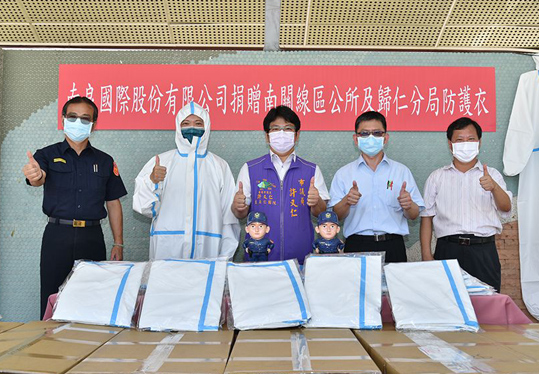
Biomass environmental protection antibacterial protective clothing development helps grassroots epidemic preventionFollowing the approval of the "Manufacturing Relief and Revitalization Guidance Measu...



Copyright © Jiaxing Nanxiong Polymer Co., Ltd.TPU Film Manufacturer