


What is PES in membrane?
Introduction to PES Membranes
Polyethersulfone (PES) membranes have emerged as one of the most critical components in separation technologies, renowned for their exceptional performance and versatility. Known for their remarkable oxidative, thermal, and hydrolytic stability, PES membranes are widely utilized in various industrial applications. Their robust mechanical properties make them an ideal choice for numerous separation processes, positioning them as an essential material in the realm of advanced membrane technology.
● The Importance of Polyethersulfone (PES)
Polyethersulfone is recognized as a polymeric marvel in membrane manufacturing due to its unique combination of properties. It serves as a cornerstone in the development of membranes designed for complex separation tasks, ensuring reliability and efficiency. The demand for PES membranes continues to rise, driven by their unparalleled characteristics and adaptability.
Key Properties of PES Membranes
Understanding the intrinsic properties of PES membranes is vital for appreciating their role in separation processes. These properties underpin their widespread application and reliability.
● Oxidative, Thermal, and Hydrolytic Stability
PES membranes boast remarkable stability in oxidative, thermal, and hydrolytic environments. This stability ensures durability and longevity, even under harsh operational conditions. Such resilience is crucial in applications where exposure to aggressive chemicals or extreme temperatures is frequent.
● Mechanical Properties and Benefits
The mechanical strength of PES membranes enhances their ability to withstand physical stress, making them suitable for demanding applications. Their robustness ensures minimal deformation, thereby maintaining consistent performance across varied operational contexts.
Structural Aspects of PES Membranes
The structural configuration of PES membranes plays a vital role in their functionality and efficiency.
● Asymmetric Membrane Structures
PES membranes are typically fabricated with an asymmetric structure, characterized by a dense top layer and a porous sublayer. This design enables efficient separation by providing a selective barrier while ensuring adequate permeability.
● Importance of Phase Inversion Method
The phase inversion method is a pivotal technique in the formation of PES membranes. This process involves transitioning a polymer solution into a solid membrane, crafting the desired asymmetric structure that is crucial for effective separation.
Factors Influencing Membrane Formation
Several factors influence the morphology and performance of PES membranes during their formation.
● Role of Concentration, Solvents, and Additives
The concentration of PES, the choice of solvents, and the inclusion of specific additives significantly affect the membrane's final properties. These components play a critical role in defining pore size, distribution, and membrane porosity, thereby impacting separation efficiency.
● Environmental and Coagulation Bath Effects
Environmental conditions and the characteristics of the coagulation bath are critical in determining the membrane's structure. Factors such as temperature and non-solvent interactions dictate the phase separation dynamics, ultimately influencing membrane quality.
Thermal and Chemical Resistance
PES membranes are celebrated for their thermal and chemical resilience, which expands their application potential.
● High Glass Transition Temperature (Tg)
A key feature of PES is its high glass transition temperature (Tg) of around 225°C. This characteristic confers excellent thermal resistance, allowing PES membranes to function effectively in high-temperature processes without compromising structural integrity.
● Impact on Performance and Durability
The chemical resistance of PES membranes ensures their stability against a broad range of solvents and chemicals. This property is essential in maintaining consistent performance, particularly in chemically intensive applications.
Comparisons with Other Membrane Materials
PES membranes stand out among various polymeric options due to their distinctive advantages.
● PES Versus Other Polymeric Options
Compared to other membrane materials, PES offers superior resistance to thermal and chemical challenges, coupled with excellent mechanical stability. These attributes provide a competitive edge in applications demanding high performance and reliability.
● Hydrophilicity and Its Implications
While PES membranes inherently possess low hydrophilicity, modifications can be made to enhance this property. Increased hydrophilicity can lead to improved filtration efficiency and reduced fouling, making them more suitable for specific applications.
Applications in Separation Processes
The versatility of PES membranes is evident in their wide-ranging applications across industries.
● Use Cases in Industrial Separation
PES membranes are integral to various industrial separation processes, including water treatment, gas separation, and the filtration of pharmaceuticals and biotechnology products. Their ability to effectively separate components based on size and properties is invaluable in these sectors.
● Efficiency and Effectiveness Considerations
The efficiency of PES membranes in separation processes is attributed to their optimal pore structure and surface properties, which are meticulously controlled during manufacturing. This precision ensures high selectivity and permeability, leading to effective separation outcomes.
Recent Research and Developments
Ongoing research and development continue to enhance the capabilities and applications of PES membranes.
● Advances in PES Membrane Technology
Recent advancements in PES membrane technology focus on improving performance through innovative fabrication techniques and material modifications. These developments aim to address existing challenges and broaden the application spectrum of PES membranes.
● Emerging Trends and Innovations
Emerging trends in PES membrane research emphasize sustainable production methods and the incorporation of nanotechnology. These innovations seek to enhance membrane performance while minimizing environmental impact, aligning with global sustainability goals.
Modification and Enhancement Techniques
Modifying PES membranes can optimize their performance and compatibility for specific applications.
● Chemical and Physical Modification Methods
Various chemical and physical modification techniques are employed to alter the surface properties of PES membranes. These modifications can improve hydrophilicity, fouling resistance, and chemical compatibility, tailoring the membranes to meet specific separation requirements.
● Enhancing Performance and Compatibility
The ongoing enhancement of PES membranes focuses on increasing their adaptability and efficiency. By employing advanced modification strategies, manufacturers can produce membranes that offer superior performance in challenging separation scenarios.
Future Prospects and Challenges
As the demand for high-performance separation technologies grows, PES membranes are poised for significant advancements.
● Potential for Future Development
The future of PES membrane technology holds promising potential for further innovation and refinement. Continuous research and collaboration among industry stakeholders aim to enhance membrane functionality and explore new application areas.
● Addressing Current Limitations and Challenges
Despite their many advantages, PES membranes face challenges, such as fouling and limited hydrophilicity. Researchers are actively working on strategies to overcome these limitations, ensuring the continued evolution and improvement of PES membrane technologies.
● Introduction to NAM LIONG GROUP
NAM LIONG GROUP, under the brand NAN XIONG, is dedicated to respecting lives and caring for the environment. With a focus on human health, the company has established departments specializing in health-related products, modern agriculture, organic food, and green energy. NAM LIONG aims to create a worker-friendly environment, fostering health and happiness among employees. The company is committed to achieving greatness by collaborating towards common goals, with aspirations to become a leading enterprise in the industry.
Featured News
-
 TPU Film: A Flexible, Durable, and Versatile Material
In recent years, the demand for flexible, durable, and versatile materials has increased due to the growth of the electronics and automotive industries. One of the materials that have gained popularit...
-
 Do you know the advantages of these 10 TPU films?
It is precisely because of the many advantages of TPU film that it has a wide range of applications. For example, the advantages of TPU film are better in some clothing, such as shoe upper linings, th...
-
 What to pay attention to when producing TPU film
TPU film is a thermoplastic polyurethane film. Compared with ordinary films, it has been greatly improved in terms of wear resistance, thermal insulation and wind resistance. In the process of making ...
-
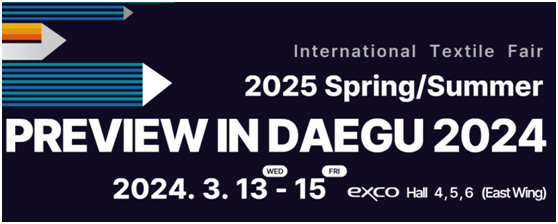 Invitation to the 22nd South Korea Daegu International Textile Expo "Preview In DAEGU 2024"
The 22nd South Korea Daegu International Textile Expo "Preview In DAEGU 2024" will be held in Daegu, the textile production base, on March 13, 2024, for three days (March 13-March 15).This is a profes...
-
 What is the difference between TPU and PU membrane?
The Difference Between TPU and PU Membranes: A Comprehensive Guide Introduction In the world of polymers, TPU and PU membranes hold significant positions due to their unique properties and wide range...
-
 New series of waterproof and moisture permeability membrane for fabric lamination
When talking about waterproof and moisture permeability membranes , TPU /PU /PTFE membranes are mostly mentioned and widely used . While with the chasing of green and sustainable development , and als...



Copyright © Jiaxing Nanxiong Polymer Co., Ltd.TPU Film Manufacturer