


What material is microporous membrane?
● Introduction to Microporous Membranes
Microporous membranes have become indispensable in various industries due to their unique structure and functionality. Defined by their tiny pores, which are typically less than 2 micrometers in diameter, these membranes serve numerous applications, from filtration to medical uses. Their ability to selectively allow substances to pass through makes them crucial in processes like water purification and gas separation.
In the industry, the demand for microporous membranes is on the rise, driving a competitive market for wholesale microporous membrane supplies. Manufacturers and suppliers are constantly innovating to meet the specific needs of different applications, ensuring that the membranes produced are durable, efficient, and cost-effective.
● Types of Microporous Membrane Materials
There is a wide range of materials used in the production of microporous membranes, broadly categorized into natural and synthetic types. Natural materials, such as cellulose, offer biodegradability and are often used in applications where environmental impact is a concern. Cellulose-based membranes are popular in the food and beverage industry for their safety and efficiency in filtration.
On the other hand, synthetic materials like polyvinylidene fluoride (PVDF), polytetrafluoroethylene (PTFE), and polypropylene dominate the market due to their superior chemical resistance and mechanical strength. These materials are preferred in harsh chemical environments and high-temperature applications. The choice between natural and synthetic materials often depends on the specific requirements of the application, including cost considerations and environmental impact.
● Microporous Membrane Production Techniques
The manufacturing of microporous membranes involves several sophisticated techniques, each offering different benefits depending on the desired properties of the end product. Common methods include phase inversion, stretching, and track etching.
Phase inversion is a versatile technique that allows precise control over the membrane's porosity and thickness. Stretching, often used for PTFE membranes, enhances the mechanical strength of the material, making it ideal for industrial applications. Track etching, while less common, provides high precision in pore size distribution, making it suitable for applications requiring uniform pore structure.
Recent advancements in technology have further refined these production processes, allowing for the development of membranes with improved performance characteristics. These innovations are driving the growth of the microporous membrane manufacturer and supplier network, catering to an expanding range of industries.
● Properties of Microporous Membranes
The intrinsic properties of microporous membranes make them highly effective in their applications. Porosity and permeability are crucial characteristics that determine the membrane's ability to allow fluids or gases to pass through while retaining undesirable particles.
Strength and durability are also vital, especially in applications involving high pressures or chemical exposure. The materials used in production significantly influence these properties, with synthetic materials typically offering higher resistance to wear and tear compared to their natural counterparts.
The balance between these properties is essential in optimizing the performance of microporous membranes, a focus for manufacturers and suppliers in the competitive wholesale microporous membrane market.
● Applications in Water Filtration
Water filtration is one of the most significant applications of microporous membranes. Their ability to remove pathogens, particulates, and other contaminants makes them ideal for water treatment processes. Compared to traditional filtration methods, microporous membranes offer superior efficiency and effectiveness, ensuring safer and cleaner water.
The advantages of using microporous membranes in water filtration extend beyond their filtration capabilities. They are also energy-efficient, requiring less pressure to operate compared to other filtration systems. This aspect is crucial in large-scale water treatment facilities, where energy consumption is a primary concern. Microporous membrane manufacturers and suppliers are continually exploring ways to enhance these benefits, ensuring they remain at the forefront of the water treatment industry.
● Role in Medical and Healthcare Industries
In the medical and healthcare sectors, microporous membranes play a critical role in various applications, including drug delivery systems and medical devices. Their ability to control the release of drugs enables precise dosing and improved therapeutic outcomes.
Moreover, microporous membranes are integral components in medical devices such as dialysis machines and wound dressings. Their biocompatibility and ability to control fluid transfer or barrier functions make them indispensable in these applications.
The healthcare industry demands the highest quality standards, prompting microporous membrane manufacturers to adhere to strict guidelines to ensure their products' safety and efficacy. This focus on quality is crucial for maintaining trust and reliability in medical applications.
● Environmental Impact and Sustainability
As industries increasingly prioritize sustainability, the environmental impact of microporous membranes has come under scrutiny. The development of eco-friendly materials and processes is a growing trend among manufacturers and suppliers.
Biodegradable and recyclable materials are being explored to reduce the environmental footprint of microporous membranes. Additionally, manufacturing processes are being optimized to minimize waste and energy consumption, aligning with global sustainability goals.
These efforts not only enhance the environmental credentials of microporous membranes but also provide a competitive advantage in the market, appealing to environmentally conscious consumers and industries.
● Challenges in Microporous Membrane Technology
Despite the numerous benefits, challenges remain in the production and application of microporous membranes. Current materials may not always meet the specific demands of certain applications, leading to limitations in performance.
Scaling production to meet increasing demand while maintaining quality and reducing costs is another significant challenge facing microporous membrane manufacturers. Addressing these issues requires ongoing research, investment, and collaboration across the industry.
Efforts to overcome these challenges are crucial for sustaining the growth and advancement of microporous membrane technology, ensuring it remains a vital component in various industrial processes.
● Conclusion and Future Perspective
Microporous membranes are integral to many industries, offering unique properties that meet a wide range of applications. As demand grows, the focus will remain on innovation and sustainability, driving the development of new materials and manufacturing techniques.
The future of microporous membranes looks bright, with continued advancements poised to expand their role in industry and everyday life. Collaboration between manufacturers, suppliers, and end-users will be essential in navigating the challenges and opportunities ahead.
As a key player in this field, Nanxiong Polymer stands out for its commitment to quality and innovation. Renowned for producing high-performance microporous membranes, Nanxiong Polymer continues to lead in material science and engineering, offering solutions that meet the diverse needs of its global customers. With a focus on sustainability and customer satisfaction, Nanxiong Polymer remains a top choice for microporous membrane products.

Featured News
-
 Wide range of applications of TPU membrane
TPU, short of thermoplastic polyurethane, is a versatile material with a wide range of applications due to its unique combination of properties, including flexibility, durability, and chemical resista...
-
 What are the key applications and benefits of TPU (Thermoplastic Polyurethane) film in various industries, and how does it contribute to enhanced performance, durability, and versatility in product development?
Applications of TPU Film:1. Apparel and Footwear: TPU film is extensively used in the apparel and footwear industry. It is employed in manufacturing outerwear, sportswear, rainwear, and footwear compo...
-
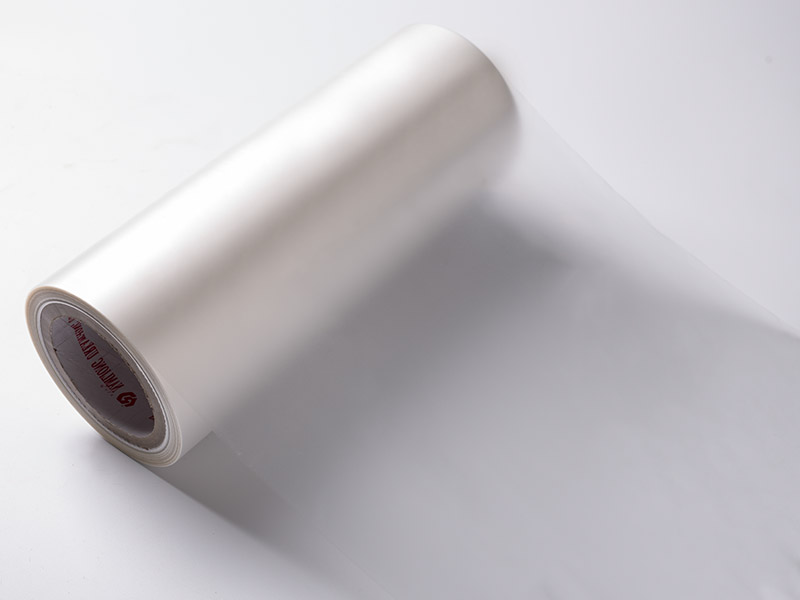 TPEE Membrane: The Future of High-Performance Materials
TPEE (Thermoplastic Polyester Elastomer) Membrane is a new high-performance material that is rapidly gaining popularity across various industries. TPEE is known for its excellent properties, including...
-
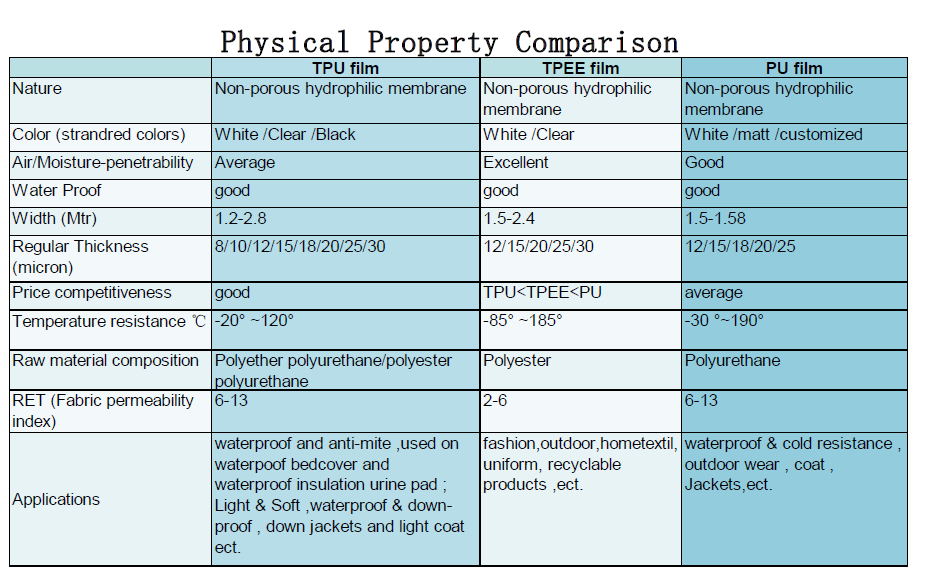 Comparison with other similar films
TPU,the abbreviation of "Thermoplastic Polyurethane", it has excellent high tension, high tensile strength, toughness and aging resistance. It is a mature environmentally friendly material, one of the...
-
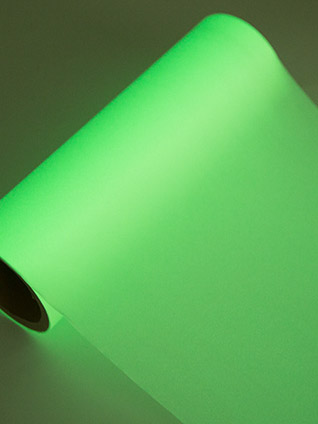 Why TPU film is different from traditional products
TPU film material can be made from MDI, TDI, and other materials together, its molecular structure is alternately complex, in terms of the current market demand, TPU has been widely recognized and use...
-
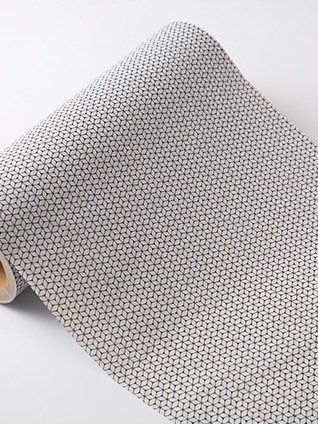 TPU film can be used to make which products
TPU film is one of the more widely used types of film, which not only has strong abrasion resistance, water resistance, but also has a certain viscosity, which can be used not only for the production ...



Copyright © Jiaxing Nanxiong Polymer Co., Ltd.TPU Film Manufacturer