


What is a microporous membrane?
In the realm of material science and engineering, microporous membranes play a pivotal role in various industrial and environmental applications. Their unique structural properties set them apart, enabling a wide range of functionalities that cater to different sectors. This article delves into the intricacies of microporous membranes, exploring their structure, manufacturing processes, applications, and the challenges faced by the industry. We'll also spotlight the role of microporous membrane manufacturers, factories, and suppliers in advancing this field, while introducing Nanxiong Polymer, a leader in material application innovation.
Introduction to Microporous Membranes
● Definition and Basic Characteristics
Microporous membranes are defined as thin films or layers with tiny pores of extremely small diameters, typically less than 2 nanometers. These minuscule porosities allow them to separate particles and fluids at a molecular level. Their capacity to selectively allow substances to pass through while blocking others makes them indispensable in various filtration and separation processes.
● Importance in Various Industries
The significance of microporous membranes extends across multiple industries, including water treatment, healthcare, and energy. Their efficiency in filtration and separation processes is unparalleled, making them a cornerstone technology in ensuring product purity and environmental protection. As industries continue to push towards sustainability and efficiency, the demand for high-quality microporous membranes offered by leading manufacturers and suppliers grows exponentially.
Structure and Composition
● Micropore Size and Distribution
The effectiveness of a microporous membrane is largely determined by its pore size and distribution. Uniform pore distribution ensures efficient separation and filtration processes. Scientists and engineers continually research methods to control and optimize pore size to enhance membrane performance for specific applications.
● Common Materials Used
Microporous membranes are crafted from a variety of materials, including polymers, ceramics, and metals. Each material offers distinct advantages, influencing the membrane’s strength, flexibility, and chemical resistance. The choice of material often depends on the intended use of the membrane, with manufacturers tailoring materials to meet specific industrial needs.
Manufacturing Processes
● Techniques for Creating Microporous Membranes
The manufacturing of microporous membranes involves sophisticated techniques to control pore formation, including phase inversion, stretching, and etching processes. Each technique provides different characteristics to the final product, impacting its suitability for specific applications. The rapid advancements in manufacturing technologies have allowed manufacturers to improve membrane performance while reducing production costs.
● Innovations and Advancements in Production
Recent technological advancements have revolutionized microporous membrane manufacturing, enabling greater precision and efficiency. Innovations such as additive manufacturing and nanotechnology are paving the way for more robust membranes with enhanced capabilities. These developments not only increase the scope of applications but also improve the overall quality of products supplied by manufacturers and factories.
Applications in Filtration
● Water Purification Systems
Microporous membranes are integral to modern water purification systems. Their ability to remove contaminants, bacteria, and viruses ensures clean and safe water for consumption and industrial use. Companies specializing in membrane technologies are at the forefront of developing solutions to address global water scarcity and pollution challenges.
● Air Filtration and Environmental Impact
In air filtration, microporous membranes contribute significantly to reducing airborne pollutants and improving air quality. Their application in industrial and consumer air purifiers helps in mitigating the impact of pollution on the environment and human health. The development of environmentally friendly membrane products is a key focus for manufacturers as sustainability becomes a global priority.
Role in Medical Devices
● Uses in Dialysis and Blood Oxygenation
In the medical field, microporous membranes are crucial in dialysis machines and blood oxygenation devices. Their selective permeability allows essential compounds to pass through while retaining unwanted molecules, making them vital in patient care and treatment. The development of advanced medical applications highlights the role of innovative membrane suppliers in the industry.
● Benefits in Drug Delivery Systems
Microporous membranes also enhance drug delivery systems by controlling the release of therapeutic agents. This controlled delivery improves drug efficacy and reduces side effects, underscoring the importance of quality membranes from reliable manufacturers in pharmaceutical advancements.
Energy Sector Applications
● Use in Fuel Cells and Batteries
In the energy sector, microporous membranes are employed in fuel cells and batteries, contributing to higher efficiency and performance. Their ability to separate electrolytes and manage ion flow is critical for the operation of these energy systems. Manufacturers are continually improving membrane technologies to support the growth of renewable energy solutions.
● Enhancing Efficiency and Performance
The ongoing research and development in membrane technology focus on enhancing the efficiency and longevity of energy systems. Advances in membrane materials and designs are key to overcoming current limitations and expanding the application of microporous membranes in the energy sector.
Advantages Over Other Membrane Types
● Comparison with Macroporous and Non-Porous Membranes
Compared to macroporous and non-porous membranes, microporous membranes offer superior selectivity and retention capabilities. Their ability to filter and separate at the molecular level makes them ideal for applications requiring high precision. This advantage is often highlighted by suppliers emphasizing the unique benefits of their microporous membrane products.
● Unique Benefits and Limitations
While microporous membranes boast numerous benefits, they also present certain limitations, such as susceptibility to fouling and pressure constraints. Understanding these challenges is crucial for manufacturers in developing solutions that maximize the membranes' potential while minimizing their drawbacks.
Challenges in Microporous Membrane Technology
● Issues with Fouling and Degradation
A significant challenge in microporous membrane technology is fouling, which can reduce permeability and efficiency over time. Researchers and manufacturers work tirelessly to develop anti-fouling coatings and materials to extend membrane lifespan and reliability.
● Overcoming Technical and Economic Barriers
The production of microporous membranes involves technical and economic challenges, including high production costs and complex manufacturing processes. Innovations in materials science and engineering aim to lower these barriers, enabling broader adoption across different industries.
Research and Development Trends
● Emerging Technologies and Breakthroughs
The field of microporous membranes is witnessing exciting breakthroughs, driven by cutting-edge research and technological advancements. New materials, fabrication techniques, and application areas are emerging, offering promising opportunities for manufacturers and suppliers to expand their product portfolios.
● Future Directions for the Industry
The future of microporous membrane technology lies in addressing global challenges such as water scarcity, pollution, and sustainable energy. As manufacturers and suppliers strive to meet these demands, continuous innovation and collaboration within the industry will be crucial to success.
Environmental and Sustainability Considerations
● Eco-Friendly Production Methods
The shift towards sustainable manufacturing practices is a growing focus within the microporous membrane industry. Manufacturers are exploring eco-friendly production methods that reduce environmental impact and promote resource efficiency.
● Role in Sustainable Practices and Circular Economy Strategies
Microporous membranes contribute to sustainable practices by enabling efficient resource use and waste reduction. Their role in the circular economy is critical, as manufacturers and suppliers work to close the loop through recycling and sustainable material sourcing.
Introducing Nanxiong Polymer
Nanxiong Polymer embodies the core values of "respect life, take care of environment," integrating these principles into its corporate vision. As part of Nanliang International Co., Ltd., Nanxiong Polymer is committed to innovation and transformation, striving to meet customer needs with youthful vitality. With a broad material application range, including wetsuits, medical protective gear, and industrial safety materials, Nanxiong Polymer is at the forefront of advancing microporous membrane technology for a sustainable future.

Featured News
-
 How is TPU membrane used in textiles
TPU membrane is commonly used in textiles as a laminate or coating to enhance the performance of fabrics. Here are some ways in which TPU membrane is utilized in textile applications: Waterproof and ...
-
 PES membrane to meet the trend of mono material concept
PES membrane , also short of polyester membrane , is also called TPE membrane or TPEE membrane ,PBT membrane . It is a kind of polyester film , with good extensibility , good abrasion , high MVTR (moi...
-
 Functional membrane laminated fabric for outdoor garments
Bond a thermoplastic polyurethane membrane (TPU film ) toone layerof more layers ofbase fabrics, such as nylon or polyester fabric, to geta new kind of functional materials with a wide range of high p...
-
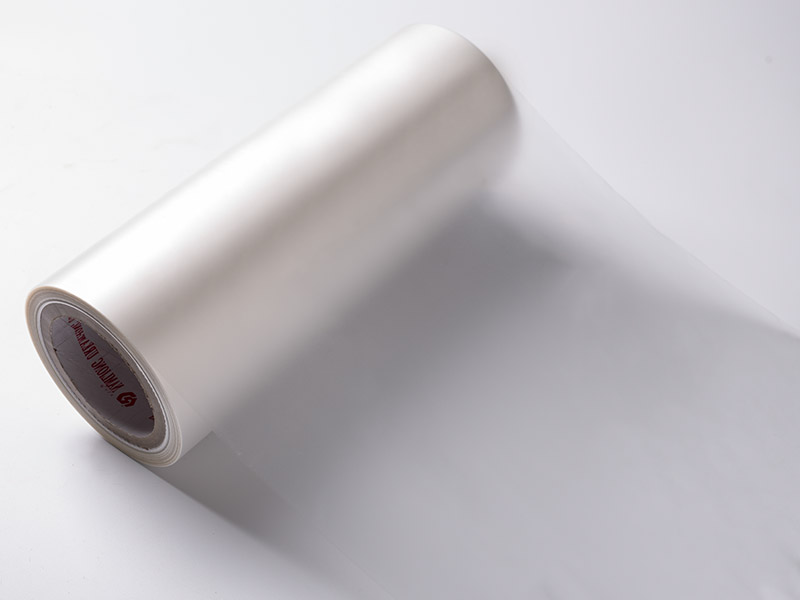 What are the characteristics of TPU film
TPU is more environmentally friendly than PVC. TPU and Hyundai's concept of environmental protection are attracted to each other and are loved. Regarding the characteristics of TPU film, we specially ...
-
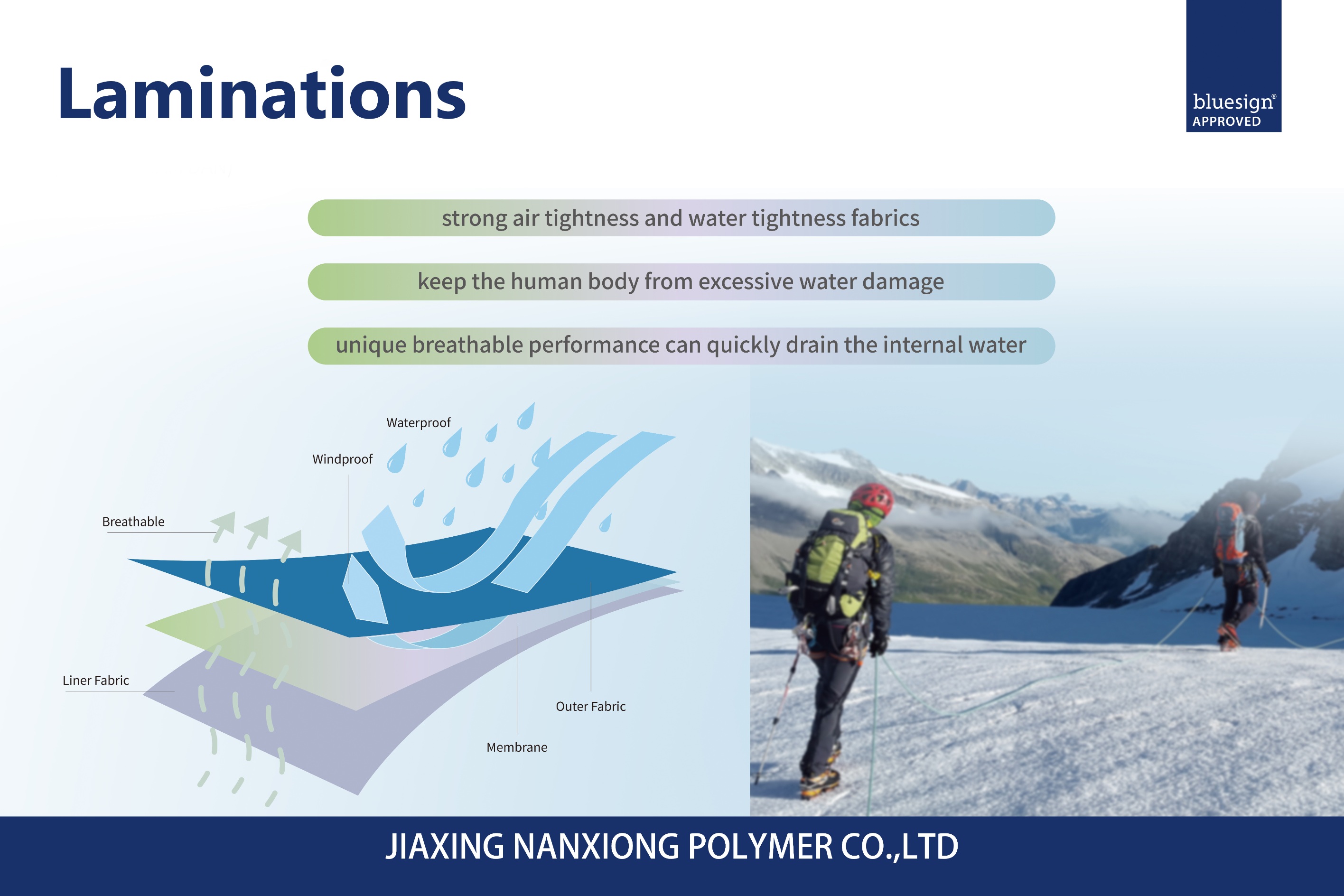 TPU MEMBRANE AND LAMINATIONS BY NANXIONG POLYMER
FeaturesofTPUWaterproof&Breathablemembrane Ø Excellentwaterproofandmoisturepermeability Ø Hightensilestrengthand elongation Ø low temperature resistance to -40...
-
 What are the advantages of TPU film over PVC film?
TPU film is one of the more widely used films on the market, and it has more advantages than PVC films in terms of abrasion resistance and waterproof performance. For enterprises with high requirement...



Copyright © Jiaxing Nanxiong Polymer Co., Ltd.TPU Film Manufacturer