


What Is a Polyurethane Membrane and Why Is It Essential?
The modern construction industry is constantly evolving, with new materials and technologies emerging to address the needs of builders, architects, and developers. Among these advancements, the polyurethane membrane stands out as a critical component in ensuring the longevity and integrity of buildings. This article explores the nature of polyurethane membranes, their essential role in construction, and why they have become indispensable in modern architecture.
Introduction to Polyurethane Membranes
● Definition and Composition
Polyurethane membranes are highly versatile materials used in a variety of applications, primarily for waterproofing. Composed of polymers containing urethane links, these membranes offer a unique combination of flexibility and durability. This composition allows them to create seamless waterproof barriers that are both effective and long-lasting.
● Primary Uses in Construction
Polyurethane membranes are predominantly used for waterproofing purposes in construction. They provide a protective coating that prevents water infiltration, thereby extending the life of the structure. These membranes can be applied to various surfaces, including roofs, walls, and floors, making them a versatile choice for builders and architects.
Waterproofing Capabilities
● Prevention of Water Infiltration
One of the primary functions of a polyurethane membrane is to prevent water infiltration. Water damage is a significant concern in construction, leading to structural degradation, mold growth, and other issues. By forming a seamless barrier, polyurethane membranes effectively seal the surface, preventing moisture from penetrating.
● Effectiveness in Sealing Gaps and Cracks
Polyurethane membranes are also highly effective in sealing gaps and cracks that may be present in a building's foundation or structure. This property is crucial in maintaining the building's integrity and preventing water-related damage, especially in vulnerable areas such as roofs and basements.
Applications in Construction
● Use on Flat Roofs
Flat roofs are particularly susceptible to water pooling and infiltration, making them ideal candidates for polyurethane membrane application. The elasticity and strength of these membranes make them suitable for covering large, flat surfaces without compromising their integrity.
● Suitability for Walls and Floors
In addition to roofs, polyurethane membranes are also used on walls and floors. Whether in wet environments like bathrooms or in dry areas requiring protection from humidity, these membranes provide an efficient solution for preventing moisture penetration and maintaining a stable indoor environment.
Enhancing Durability of Structures
● Protecting Building Integrity
The use of polyurethane membranes significantly enhances the durability of structures by protecting them from water damage. By preventing moisture ingress, these membranes help maintain the structural integrity of buildings, reducing the risk of deterioration over time.
● Extending the Lifespan of Constructions
Buildings protected by polyurethane membranes tend to have a longer lifespan. The membranes guard against environmental factors such as UV radiation, temperature fluctuations, and chemical exposure, ensuring that structures remain robust and resilient for many years.
Safety and Structural Integrity
● Avoiding Water-Related Damage
Water damage can compromise the safety of a building, leading to issues such as structural weakening, mold growth, and even health hazards. Polyurethane membranes play a critical role in avoiding these problems by providing a reliable waterproof barrier.
● Ensuring Safe Building Environments
By preventing water ingress and its associated problems, polyurethane membranes contribute to the creation of safe and healthy building environments. Their protective qualities help ensure that structures remain free from moisture-related hazards, providing peace of mind to occupants and building owners.
Installation Techniques and Best Practices
● Application Methods
Applying polyurethane membranes requires expertise and precision. Techniques vary depending on the surface and specific requirements, but generally involve priming, layering, and curing processes to achieve optimal results. Proper application is crucial to ensure the membrane's effectiveness and longevity.
● Common Practices for Effective Use
To maximize the benefits of polyurethane membranes, certain best practices should be followed. These include proper surface preparation, selecting the right type of membrane for the specific application, and adhering to manufacturer guidelines. By doing so, builders and contractors can ensure a successful installation.
Advantages Over Traditional Materials
● Comparison to Other Waterproofing Solutions
Compared to traditional waterproofing materials like bitumen or tar, polyurethane membranes offer several advantages. They provide a seamless application, higher flexibility, and superior adhesion, resulting in a more durable and effective waterproof barrier.
● Unique Benefits of Polyurethane Membranes
Polyurethane membranes stand out for their UV resistance, elasticity, and chemical resistance. These properties make them an ideal choice for a wide range of applications, offering benefits that traditional waterproofing materials cannot match.
Challenges and Considerations
● Limitations of Polyurethane Membranes
While polyurethane membranes offer numerous advantages, they also have limitations. For instance, they may not be suitable for all types of surfaces or environments. Additionally, their effectiveness can be compromised if not applied correctly, emphasizing the need for skilled installation.
● Factors to Consider Before Application
Before choosing a polyurethane membrane, factors such as the nature of the surface, environmental conditions, and specific project requirements should be considered. Consulting with experts and selecting a reputable polyurethane membrane manufacturer or supplier is essential to ensure the best results.
Innovations and Future Trends
● Recent Advancements in Polyurethane Technology
The field of polyurethane technology is continually evolving, with recent advancements enhancing the performance and versatility of these membranes. Innovations include improved formulations that offer greater durability, eco-friendly options, and enhanced ease of application.
● Future Potential and Industry Trends
Looking ahead, polyurethane membranes are poised to play an even more significant role in construction. As the demand for sustainable and resilient building materials grows, the industry is likely to see increased adoption of polyurethane solutions, driven by their proven effectiveness and adaptability.
Conclusion: Essential Role in Modern Construction
● Summary of Benefits
The polyurethane membrane is an indispensable component in modern construction, offering a reliable and versatile solution for waterproofing and protecting structures. Its ability to provide a seamless, durable barrier against water and environmental factors makes it essential for maintaining the integrity and longevity of buildings.
● Importance for Future Building Projects
As construction practices continue to evolve, the importance of polyurethane membranes will only increase. Their unique properties and advantages make them a vital tool for builders and architects seeking to create safe, durable, and sustainable structures.
Company Introduction: Jiaxing Nanxiong Polymer
Jiaxing Nanxiong Polymer upholds the core values of "respect life, take care of the environment," focusing on innovation and collaboration. With its roots in the Nanliang Group, Jiaxing Nanxiong Polymer continues to advance in the industry, offering cutting-edge solutions for construction and beyond. The company is dedicated to meeting customer needs, fostering a worker-friendly environment, and contributing to a sustainable future through green materials and efficient manufacturing practices.
Featured News
-
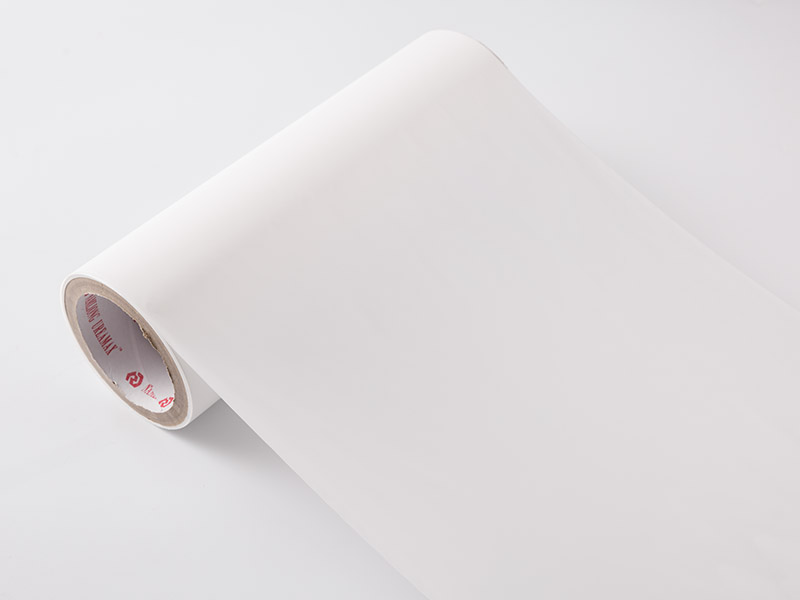
 TPU Film: A Revolutionary Material with Endless Applications
Thermoplastic polyurethane (TPU) film is a type of plastic material that has been gaining popularity in recent years due to its unique properties and versatility. TPU film is a flexible, durable, and ...
-
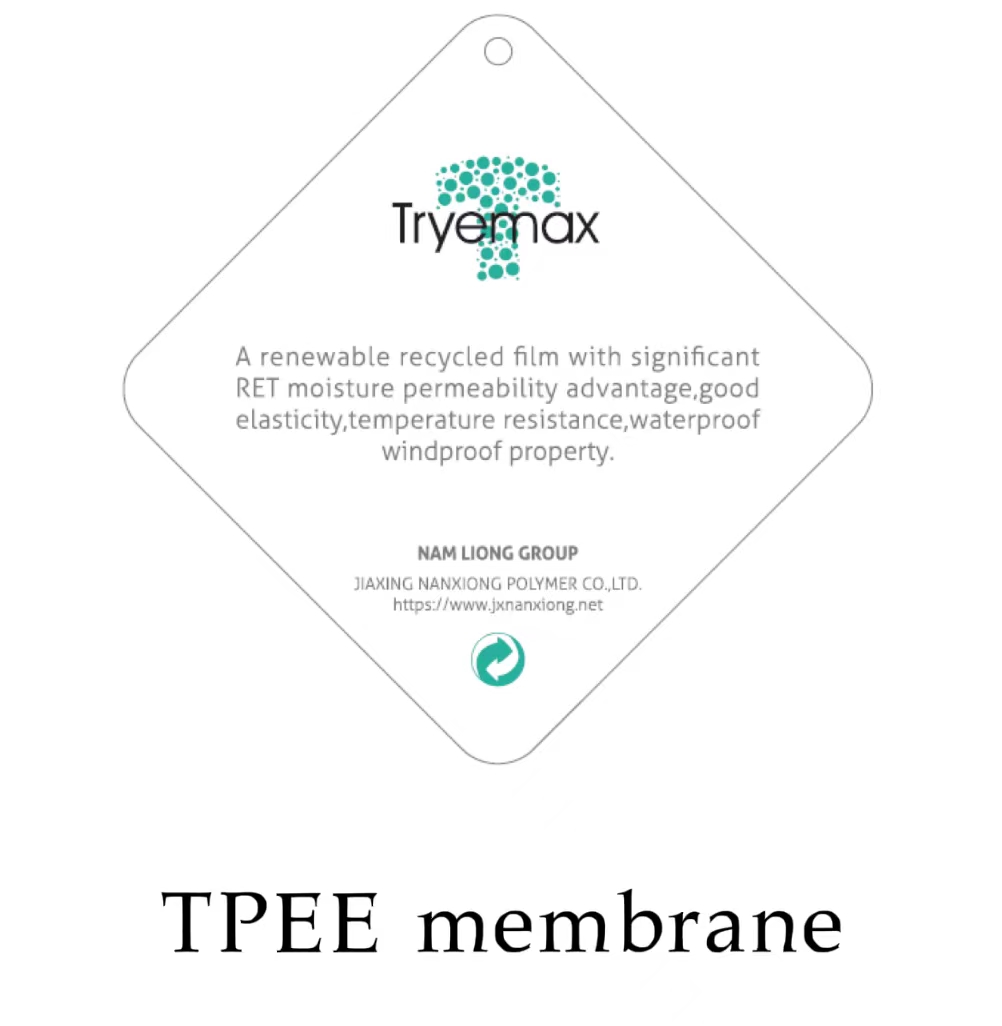 Tryemax® TPEE film series
Tryemax® , a self-owned trademark newly registered by Nanxiong Polymer Co.,Ltd , it shows our determination to be the top manufacture of TPEE film in this industry .Since founded in year 2007 , Ji...
-
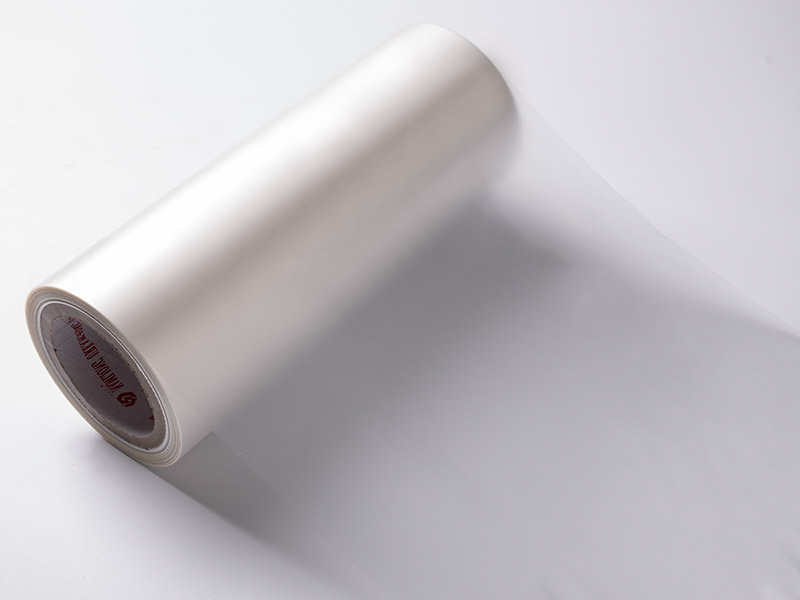 Do you know the advantages of these 10 TPU films?
It is precisely because of the many advantages of TPU film that it has a wide range of applications. For example, the advantages of TPU film are better in some clothing, such as shoe upper linings, th...
-
 The current TPU film industry faces opportunities as well as challenges do you know?
TPU granules are made into TPU film through calendering, cast, blown film, coating and other technologies. Currently it is mainly used in sports shoes, it is widely used in the sole and the upper of t...
-
 How long does polyurethane waterproofing last?
Polyurethane waterproofing is a popular choice for protecting structures from water damage due to its durability, ease of application, and flexible properties. In this comprehensive article, we will e...
-
 What is the best type of waterproofing membrane?
Introduction Waterproofing membranes play a crucial role in preserving the structural integrity of concrete buildings and other infrastructures by preventing water intrusion, which can lead to severe ...



Copyright © Jiaxing Nanxiong Polymer Co., Ltd.TPU Film Manufacturer