


Versatile and Durable Solution for Various Industries
In the realm of flexible and high-performance films, Thermoplastic Polyurethane (TPU) film has emerged as a versatile and durable material with a wide range of applications. TPU film combines the exceptional properties of thermoplastics and polyurethane, resulting in a film that offers excellent flexibility, strength, abrasion resistance, and chemical resistance.
TPU film is created through the process of extrusion, where molten TPU resin is passed through a die to form a continuous film. This film can be manufactured in different thicknesses, widths, and colors, providing flexibility in meeting specific requirements for different applications. TPU films exhibit high tensile strength, elongation, and tear resistance, making them highly durable and able to withstand demanding conditions.
One of the key characteristics of TPU film is its flexibility. It offers excellent elasticity and pliability, allowing it to conform to various shapes and contours. This property makes TPU film ideal for applications where flexibility and adaptability are crucial, such as in textiles, footwear, and medical products. TPU films can be easily integrated into fabrics and laminated onto other materials, providing additional functionality and enhancing performance.
TPU film's exceptional strength and abrasion resistance make it suitable for applications that require durability and long-lasting performance. It exhibits resistance to wear, tear, and punctures, making it an excellent choice for protective coatings, membranes, and industrial applications. Additionally, TPU film maintains its mechanical properties over a wide temperature range, ensuring consistent performance in both high and low temperature environments.
Chemical resistance is another valuable characteristic of TPU film. It demonstrates resistance to oils, solvents, and various chemicals, making it suitable for applications in industries such as automotive, oil and gas, and chemical processing. TPU films can provide a barrier against corrosive substances and protect surfaces from degradation, extending the lifespan of components and enhancing product performance.
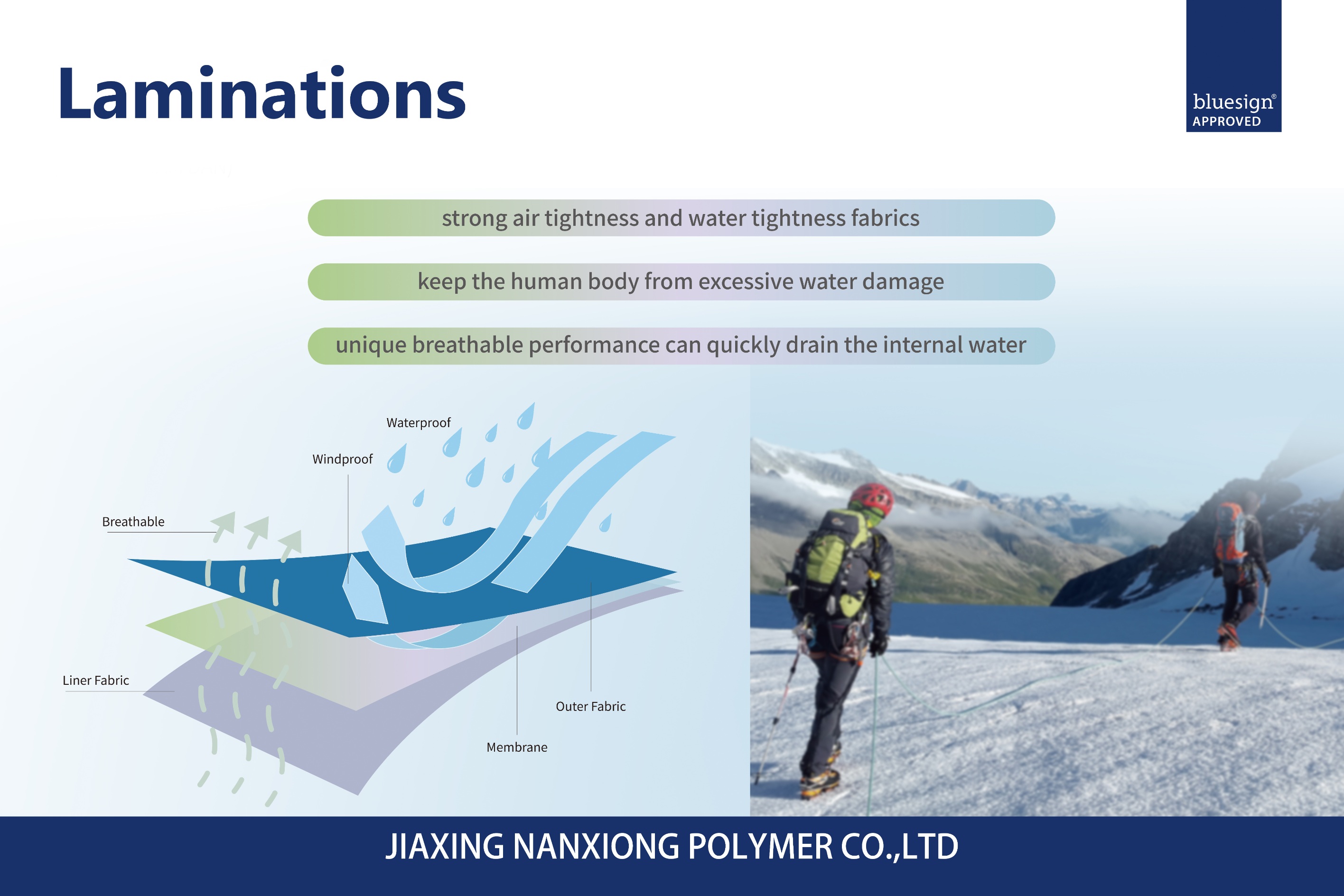
TPU film finds extensive use in the textile and apparel industry. It can be laminated onto fabrics to improve waterproofing, breathability, and abrasion resistance, making it suitable for outdoor clothing, sportswear, and footwear. TPU film is also utilized in the production of accessories such as bags, belts, and straps, where its flexibility and strength are highly valued.
In the medical field, TPU film plays a crucial role in the manufacturing of medical devices and equipment. It is used in wound dressings, surgical drapes, and protective clothing, providing a barrier against liquids, bacteria, and contaminants. TPU film's biocompatibility, flexibility, and sterilizability make it a preferred choice in applications that require hygiene, comfort, and reliability.
Featured News
-
 Wide range of applications of TPU membrane
TPU, short of thermoplastic polyurethane, is a versatile material with a wide range of applications due to its unique combination of properties, including flexibility, durability, and chemical resista...
-
 What are the key trends and growth drivers in the TPU Membrane industry, and how are manufacturers responding to them?
TPU (Thermoplastic Polyurethane) Membrane is a versatile material that finds application in various industries such as textiles, medical, automotive, and construction, among others. The TPU membrane i...
-
 What is TPU film made of?
TPU (thermoplastic polyurethane) film is a type of polymer film that is widely used in various industries such as textiles, packaging, automotive, and medical. TPU film is known for its exceptional ph...
-
 How much do you know about the characteristics and applications of these TPU protective films?
TPU protective film, it is not a glass material like 3D tempered glass film, but a material between rubber and plastic. This material is hydrophobic and oil-proof, and has good ductility, wear resista...
-
 Introduction to Polyurethane
Polyurethane (PU) is the abbreviation of polyurethane, which is made of polyisocyanate and polyhydroxy polymer addition, and is a polymer compound containing many repeated carbamate chain segments (-N...



Copyright © Jiaxing Nanxiong Polymer Co., Ltd.TPU Film Manufacturer