


How does a TPU membrane compare to other materials used in home textiles?
Overview of TPU Membrane Characteristics
High Elasticity and Durability
Thermoplastic polyurethane (TPU) membranes are renowned for their exceptional elasticity and durability. These qualities make TPU membranes suitable for home textiles that require regular use and washing. The membrane's ability to retain shape even after extended use can be attributed to its unique molecular structure, which incorporates both hard and soft segments. This dual composition provides the flexibility needed for varied applications without compromising strength.
Abrasion and UV Resistance
TPU membranes offer high resistance to abrasion and ultraviolet (UV) light. This makes them an ideal choice for applications in environments exposed to harsh conditions or frequent handling. Compared to other synthetic materials, TPU stands out due to its ability to resist wear and damage from prolonged sun exposure, ensuring longevity and maintaining aesthetic appeal.
Comparative Analysis: TPU vs Other Materials
Comparison with PVC and PU
In comparison to polyvinyl chloride (PVC) and other polyurethane (PU) materials, TPU demonstrates superior flexibility and environmental advantages. PVC, though widely used, tends to be less flexible and more prone to environmental damage over time. TPU's recyclable nature also offers an eco-friendly advantage over conventional PU materials, which are less sustainable.
Comparison with Natural Fibers
While natural fibers such as cotton and wool offer breathability, they lack the waterproof and durable properties of TPU. In applications where these properties are crucial, such as outdoor furnishings or protective coverings, TPU provides a synthetic alternative that outperforms natural options in terms of longevity and maintenance.
Environmental Impact of TPU Membrane
Recyclability and Low VOC Emissions
TPU membranes are fully recyclable, presenting a significant advantage over other non-recyclable materials used in home textiles. The production process of TPU can be tuned to produce low volatile organic compound (VOC) emissions, further reducing environmental impact and contributing to the creation of safer indoor air quality.
Energy Efficiency in Production
Compared to other synthetic membranes, TPU offers energy-efficient manufacturing processes, including melt spinning and extrusion that do not require chemical solvents. This reduces energy consumption and minimizes the carbon footprint associated with production, making TPU a more sustainable choice for manufacturers and wholesalers.
TPU Membrane in Outdoor Applications
Waterproof and Dirt Repellent Properties
One of the most significant advantages of TPU membranes is their inherent waterproof and dirt-repellent qualities. This makes them particularly suited for outdoor applications, such as patio furniture covers and garden equipment storage solutions, where materials are frequently exposed to moisture and grime.
Resistance to Weather Extremes
TPU membranes possess excellent resistance to extreme weather conditions, including high and low temperatures, making them suitable for year-round use. Their ability to withstand environmental stressors ensures that the textiles retain functional integrity and appearance over time.
TPU Membrane Versatility in Manufacture
Adaptability in Processing Techniques
TPU membranes can be manufactured using various processing techniques, including weaving, molding, and 3D printing. This versatility allows manufacturers to produce complex designs with ease, catering to diverse home textile needs.
Customization for Specific Applications
The ability to fine-tune TPU properties enables manufacturers to customize the material for specific applications, such as adding waterproofing capabilities or enhancing chemical resistance. This adaptability makes TPU a preferred choice for factories seeking to meet the specific demands of their customers.
Waterproofing Capabilities of TPU Membranes
Sustained Performance Under Moist Conditions
TPU membranes offer sustained waterproofing performance, which is crucial for applications in areas prone to moisture exposure. Their unique composition prevents water penetration while maintaining breathability, ensuring comfort and protection simultaneously.
Enhancement of Home Textile Functionality
By integrating TPU membranes into home textiles, manufacturers enhance the products’ functionality, providing consumers with high-performance options that are both functional and aesthetically pleasing.
Thermal and Chemical Resistance of TPU
Insulation Properties
TPU membranes provide excellent thermal insulation properties, making them suitable for home textiles designed to retain heat while being lightweight. This property is advantageous for products like blankets and mattress protectors.
Chemical Resilience
Resistant to a wide range of chemicals, TPUs are suitable for applications where exposure to detergents and cleaning agents may occur. This makes them a robust option for home textiles that require frequent cleaning without degradation.
TPU Membrane in Fashion and Design
Integration in Modern Home Décor
In fashion and home décor, TPU membranes provide designers with limitless possibilities in terms of color, texture, and finish, allowing them to create visually appealing yet functional pieces, from upholstery to decorative elements.
Vegan and Sustainable Design Choice
TPU's compatibility with vegan and sustainable design principles further enhances its appeal among ethically minded consumers. As manufacturers increasingly focus on sustainable practices, TPU membranes emerge as a viable option for eco-friendly home fashion.
Applications in Sports and Leisure Textiles
Durability in Sports Gear
For sports and leisure textiles, the durability and flexibility of TPU are unmatched. Products such as camping gear, backpacks, and protective clothing benefit greatly from TPU's robust nature, ensuring long-lasting performance.
Breathability and Comfort
TPU membranes contribute to comfort in sports textiles by providing breathability and moisture management, crucial for maintaining comfort during physical activities.
Future Prospects for TPU Membranes in Textiles
Growth in Global Markets
With an anticipated market growth rate of 8.5% annually, TPU membranes are poised to become a significant player in the global textile market. Their adaptability and performance advantages ensure a broad spectrum of innovative applications.
Advancements in Material Science
Ongoing advancements in material science are expected to further enhance the functionality of TPU membranes, offering exciting prospects for future developments in the textile industry.
nanxiongtpu Provide Solutions
For manufacturers, wholesalers, or factories seeking high-quality TPU membranes, nanxiongtpu offers innovative solutions tailored to your specific needs. Our products boast unmatched durability, flexibility, and environmental benefits, perfect for integrating into various home textile applications. By choosing nanxiongtpu, you access cutting-edge technology and materials that align with sustainable and advanced manufacturing practices, ensuring your products meet modern consumer demands. Partner with us to enhance your product offerings with TPU membranes designed for the future.
User hot search: China TPU membrane for home textile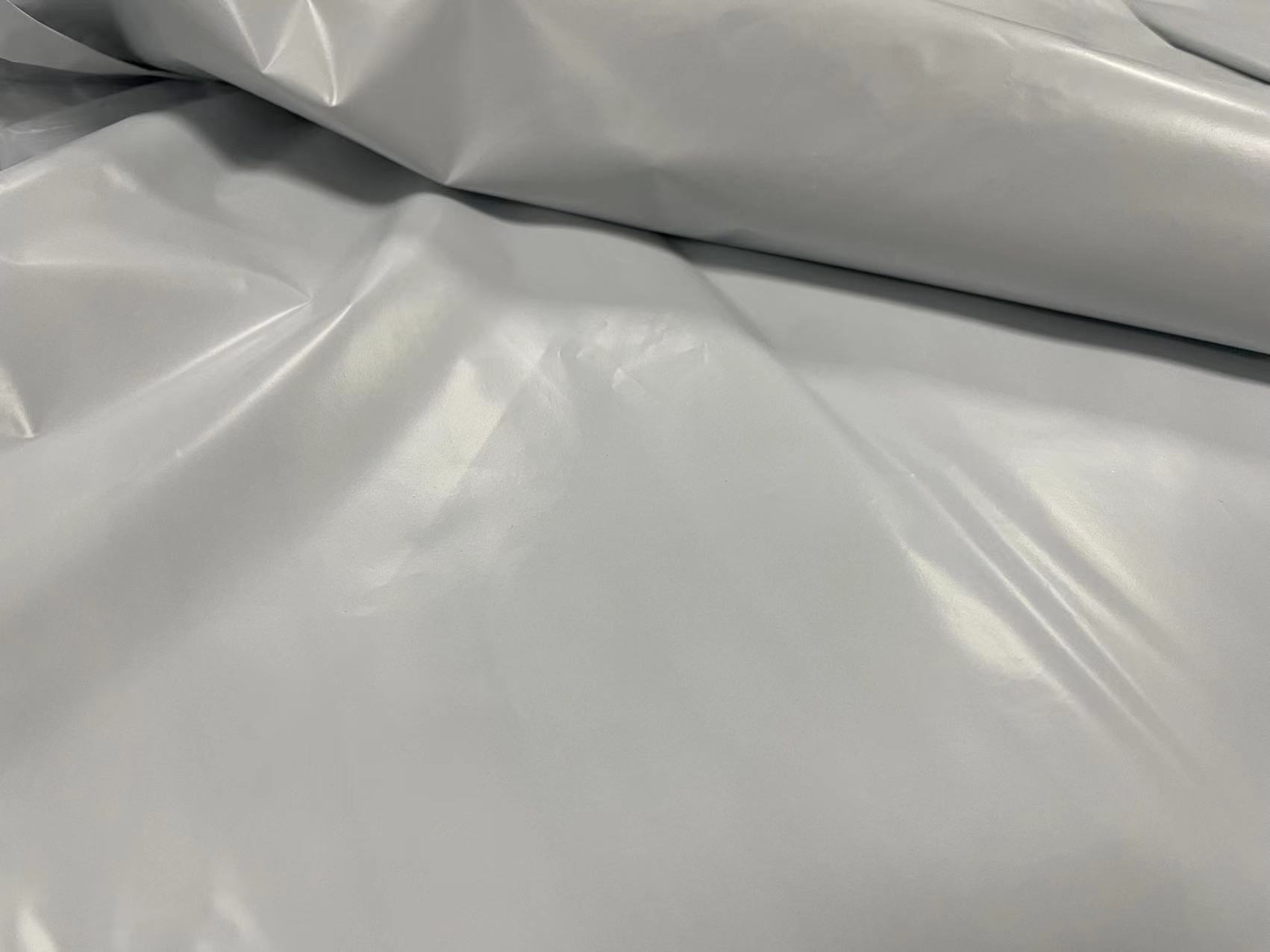
Featured News
-
 What is TPU film made of?
TPU (thermoplastic polyurethane) film is a type of polymer film that is widely used in various industries such as textiles, packaging, automotive, and medical. TPU film is known for its exceptional ph...
-
 TPU Film Flexibility and Durability Expansion
The raw material of TPU film is thermoplastic polyurethane. There are many types of TPU film, such as frosted, black or white. The most prominent feature of TPU film is its flexibility. Moreover, in a...
-
 TPU waterproof breathable membrane introduction and classification
TPU is the abbreviation of "Thermoplastic Urethane". TPU is made of diphenylmethane diisocyanate (MDI), toluene diisocyanate (TDI), polymer polyol and chain extender. Polymeric material. Its molecular...
-
 Innovative GRS TPU Film Sets New Standards for Sustainability and Performance
As the world continues to prioritize sustainability, innovative technologies are playing a pivotal role in driving progress. The recent introduction of GRS TPU film has garnered significant attention ...
-
Application of TPU Film in Curtains
Introduction to TPU Film Thermoplastic Polyurethane (TPU) Film is a versatile and dynamic material, known for its unique properties and diverse applications across different sectors. TPU film is a pol...
-
 The difference between TPE film and TPEE film
TPE (Thermoplastic Elastomer) refers to thermoplastic elastomer – a wide-rangecategory encompassing multiple materials with similar properties. These materials combine the elasticity of traditio...



Copyright © Jiaxing Nanxiong Polymer Co., Ltd.TPU Film Manufacturer