


How do you choose the right TPU membrane manufacturer?
Understanding TPU Membranes and Their Uses
The application of TPU (Thermoplastic Polyurethane) membranes spans numerous industries due to their versatile nature. From medical products and boating supplies to industrial processes, these membranes enhance the longevity, water resistance, and durability of end products. Their increasing use in textiles, as a laminate or coating, demonstrates their functional advantage. As companies look to improve product performance, understanding the wide-ranging applications of TPU is crucial.
Key Industries Utilizing TPU Membranes
TPU membranes are prominently featured in several sectors, each requiring specific properties. The automotive, healthcare, and construction industries significantly benefit from TPU's resistance to wear, chemical interactions, and extreme temperatures. Its role in environmental protection equipment also highlights its utility in producing robust, durable goods.
Identifying Your Specific Requirements
When selecting a TPU membrane manufacturer, it is essential to clearly define the functional requirements of your end product. This includes determining resistance levels needed against UV radiation, abrasion, or chemical exposure, based on the product's intended use. The selection process should be guided by these specific needs to ensure optimal product performance.
Functional Considerations
Understanding the specific environment and stress conditions the product will face is vital. For example, TPU membranes used in outdoor applications must exhibit excellent tensile strength and adhesion resistance to survive harsh weather conditions. Identifying these functional requirements early in the process helps streamline the manufacturing partnership.
Quality and Consistency in Manufacturing
The reliability and consistency of a TPU membrane manufacturer directly impact the quality of the end product. Consistent production ensures that each batch retains the desired properties, which is crucial for maintaining brand reputation and product reliability. Selecting a manufacturer with a strong track record in quality control is pivotal.
Assessing Manufacturer's Quality Control Processes
Examine a manufacturer's quality control processes, such as their adherence to international standards and their internal auditing procedures. Manufacturers that employ rigorous testing and inspection protocols are more likely to deliver consistent quality across multiple production runs.
Standards and Certifications to Consider
Compliance with industry standards and certifications is an essential factor in selecting a TPU membrane manufacturer. These standards ensure that the materials used are of high quality and safe for their intended applications. For international trade, familiarity with both local and global certifications is crucial.
International and Regional Standards
Manufacturers must meet a variety of standards, such as ISO for quality management and ASTM for material specifications. When importing or exporting goods, understanding these certifications and ensuring the manufacturer complies with them can prevent regulatory issues.
In-House Testing Capabilities
The ability of a manufacturer to conduct in-house testing offers significant advantages. It allows for immediate quality assurance and quick resolution of any issues that arise. Having an in-house laboratory also shows a commitment to technical excellence and improves the responsiveness of the manufacturer.
Benefits of In-House Testing
In-house testing facilitates faster turnaround times for product validation and customization. Such capabilities further ensure that any deviations in material performance can be promptly identified and corrected, resulting in a more reliable supply chain for your business.
Corporate Social Responsibility and Environmental Impact
In today's market, corporate social responsibility (CSR) is not just an ethical consideration but a business imperative. Manufacturers that actively engage in sustainable practices can improve their corporate image and appeal to environmentally conscious consumers.
Evaluating Manufacturer's Sustainability Initiatives
Investigating a manufacturer’s commitment to reducing carbon footprints and waste can provide insight into their operational ethos. Consideration of their sourcing practices and investment in sustainable technologies can be crucial in selecting a partner aligned with your values.
Understanding Different TPU Grades
TPU membranes are available in various grades, primarily divided into polyester and polyether-based. Each type features distinctive characteristics which dictate its suitability for specific applications. Polyester TPUs are generally more resistant to abrasion, while polyether TPUs offer better hydrolysis resistance.
Comparative Properties of TPU Grades
When selecting a grade, companies must consider the balance between flexibility and durability required by their application. For example, polyester grades might be more appropriate for automotive components, whereas polyether grades could serve better in medical devices due to their superior moisture resistance.
Assessing Manufacturer's Technological Innovations
The ability of a manufacturer to innovate and adapt to new technologies can significantly enhance the value they bring to a partnership. Manufacturers who invest in R&D and adopt the latest production technologies can offer improved product features and competitive advantages.
Evaluating Technological Capabilities
Consider the technological advancements a manufacturer has integrated into their production processes. Innovations in TPU formulations or manufacturing equipment can lead to superior product performance or cost savings, making them more appealing as a reliable supplier.
Evaluating Cost and Value Proposition
While cost is an important factor, it should not be the sole consideration when choosing a TPU membrane manufacturer. The value proposition, which includes long-term savings from durability, performance, and reliability of supply, is equally significant.
Cost vs. Quality Trade-offs
Analyzing the total cost of ownership, including lifecycle costs and potential savings from fewer defects or failures, can provide a clearer picture of the value offered by a supplier. A slightly higher initial cost may be justified by the superior performance and durability of the product.
Supplier Communication and Support
Effective communication and support from your supplier can facilitate smooth operations and mitigate potential issues. A manufacturer who offers robust customer service and technical support can address concerns promptly and maintain strong collaborative relationships.
Importance of Reliable Customer Support
Good communication ensures that both parties are aligned on project goals, timelines, and expectations. Additionally, having access to technical expertise can assist in troubleshooting and optimizing product performance, which is vital for long-term success.
nanxiongtpu Provide Solutions
Finding the right TPU membrane manufacturer is crucial for ensuring product quality, performance, and sustainability. nanxiongtpu offers comprehensive solutions with a focus on advanced technology, rigorous quality standards, and environmental responsibility. With in-house testing capabilities and a strong commitment to corporate social responsibility, nanxiongtpu stands out as a reliable partner in the industry. Their expertise in various TPU grades ensures that they can meet the specific needs of diverse applications, providing both value and performance.
User hot search: China TPU membrane Manufacturer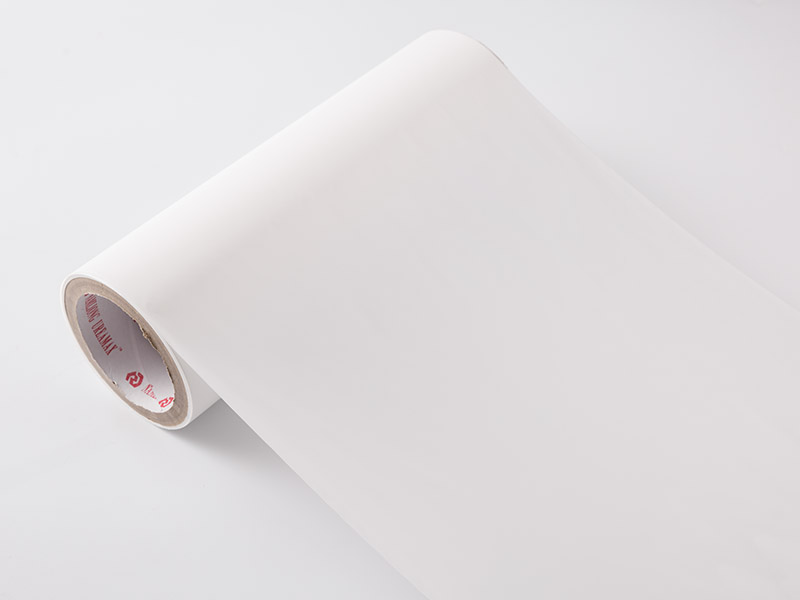
Featured News
-
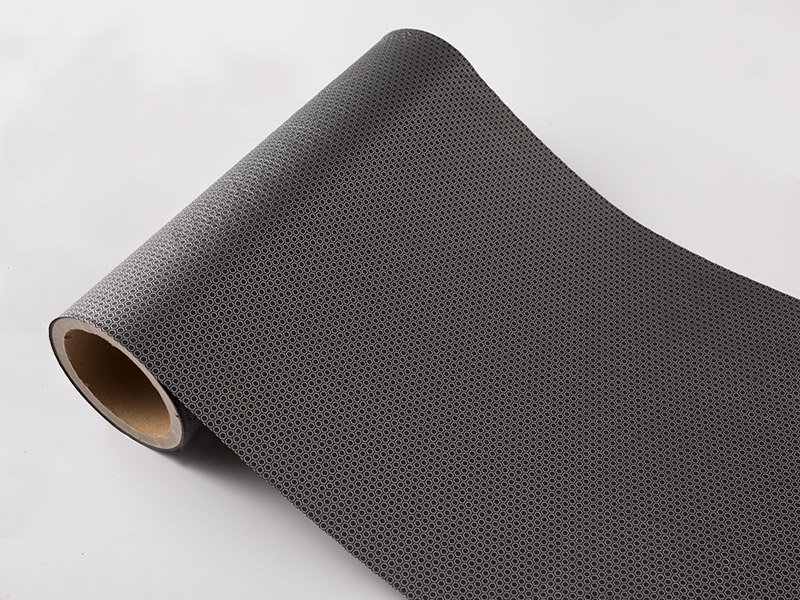 What are the applications and benefits of TPU Film in the manufacturing industry?
Applications of TPU Film:1. Packaging Industry: TPU film is commonly used in the packaging industry for a variety of applications. Its flexibility and strength make it an excellent choice for packagin...
-
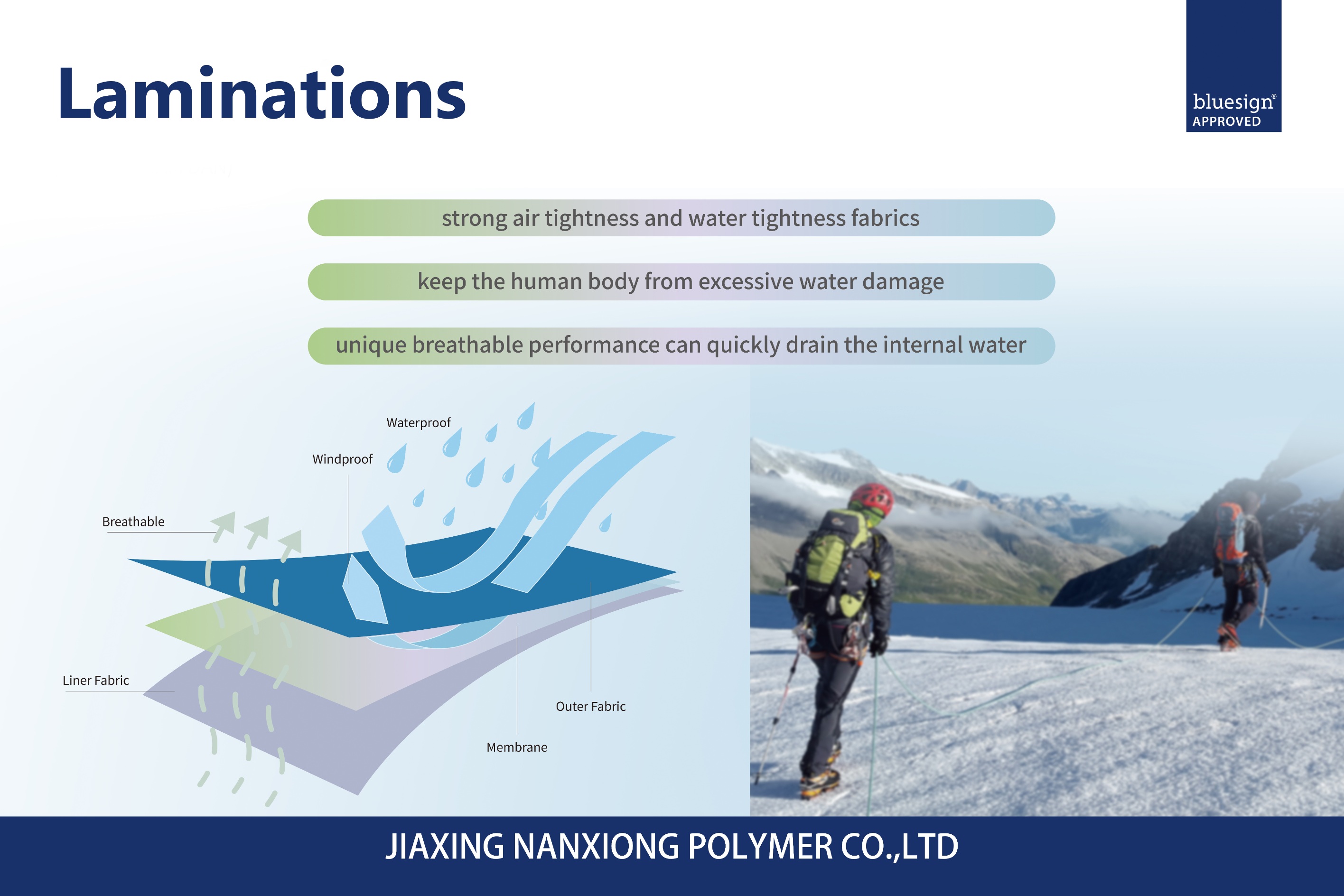 What are the advantages of the new TPU film process
TPU film is a plastic material often used in the plastic processing industry, now TPU is widely used in car production, refrigerator production, transportation, civil engineering construction, footwea...
-
 Why TPU film is different from traditional products
TPU film material can be made from MDI, TDI, and other materials together, its molecular structure is alternately complex, in terms of the current market demand, TPU has been widely recognized and use...
-
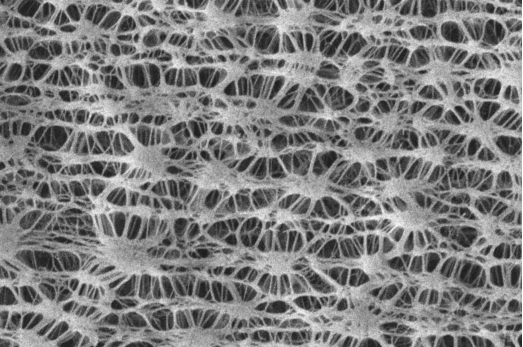 PP micro porous film to replace of PTFE membrane and PU micro porous membrane
PP, short of Polypropylene, via special processing , PP material was made into micro porous film with billions of micropores per square inch, the diameter is about 0.02 microns, so it can make moistur...
-
 What is a recyclable TPU?
Introduction to Recyclable TPU Membrane ● Definition of Thermoplastic Polyurethane (TPU) Thermoplastic Polyurethane (TPU) is a highly versatile material recognized for its superior flexibility, durab...
-
 Why Choose TPU Membrane for Home Textile Applications?
The use of TPU membrane in home textile applications has transformed the industry, marrying comfort, durability, and sustainability with high-end functionality. Whether it’s in bedding, upholste...



Copyright © Jiaxing Nanxiong Polymer Co., Ltd.TPU Film Manufacturer