


What is PU waterproofing?
Introduction to PU Waterproofing
Waterproofing is an essential component of modern construction, ensuring that structures remain impervious to water damage, which can compromise the integrity of buildings over time. One of the most effective and widely used materials for waterproofing is polyurethane (PU). PU waterproofing has gained significant attention due to its versatile applications and robust protective qualities. This article delves into the intricacies of PU membrane waterproofing, exploring its composition, advantages, applications, and the processes involved in its application. We also examine the market dynamics, considering factors such as wholesale PU membrane waterproofing and the role of manufacturers, factories, and suppliers in this sector.
Composition of Polyurethane Waterproofing Products
● Two-Component System: Isocyanide and Polyol
Polyurethane waterproofing products are composed of two primary components: isocyanide and polyol. These components react chemically to form a strong, resilient membrane capable of providing a seamless liquid coating. The isocyanide acts as the reactor component, while the polyol serves as the base. When mixed in the correct proportions, they yield a durable membrane that offers superior waterproofing capabilities.
● Properties of the Resulting Liquid Coating
The liquid membrane created from these components is not only flexible and elastic but also highly resistant to various environmental stressors. It adheres well to a variety of surfaces, forming a continuous barrier that prevents water ingress. This makes PU membrane waterproofing an excellent choice for protecting structures from water and humidity.
Advantages of Polyurethane in Waterproofing
● Seamless Application and Fast Curing
One of the most notable benefits of PU waterproofing is its seamless application. Unlike traditional waterproofing methods that require multiple seams or joints, PU membrane waterproofing creates a continuous layer that reduces the potential for leaks. Additionally, PU coatings cure quickly, often becoming rainproof within hours of application. This rapid curing time is ideal for environments where unexpected weather changes can occur.
● Resistance to UV, Water, and Chemicals
PU membrane waterproofing offers exceptional resistance to ultraviolet (UV) rays, water, and a wide range of chemicals. This makes it particularly suitable for exposed surfaces such as roofs and terraces, where prolonged exposure to sunlight and atmospheric conditions can deteriorate lesser materials. Its ability to withstand chemical exposure also makes it a favored choice in industrial settings.
Common Applications for PU Waterproofing
● Suitable Areas: Roofs, Balconies, Kitchens
The versatility of PU waterproofing is reflected in its wide range of applications. It is commonly used in areas prone to water exposure, such as roofs, balconies, and kitchens. Its ability to form a durable barrier makes it suitable for both horizontal and vertical surfaces, ensuring comprehensive coverage and protection.
● Use in Both New Builds and Renovations
PU membrane waterproofing can be applied during new construction as well as during refurbishments. Its compatibility with various substrates and its ease of application make it a go-to solution for retrofitting existing structures with enhanced waterproofing capabilities.
Selecting the Right PU Waterproofing Product
● Importance of Consulting the Technical Data Sheet (TDS)
Choosing the appropriate PU waterproofing product involves consulting the Technical Data Sheet (TDS), which provides vital information regarding the product's scope of use. This includes details about breathability, application temperature range, and suitability for specific environments. Ensuring that the chosen product aligns with these parameters is crucial for optimal performance.
● Considerations for Specific Needs Like Foot Traffic and Weather
When selecting a PU waterproofing solution, it's important to consider any additional requirements, such as the ability to withstand foot traffic, specific weather conditions, or chemical exposures. Manufacturers, suppliers, and factories often offer specialized formulations designed to address these unique demands, ensuring the longevity and effectiveness of the waterproofing solution.
Application Process of PU Waterproofing
● Necessary Tools and Materials for Application
Applying PU waterproofing requires specific tools and materials to achieve the best results. These include the PU membrane product, a mixing device, and application tools such as brushes, rollers, or airless spray equipment. Ensuring that the right equipment is on hand is essential for a seamless application process.
● Steps for Proper Surface Preparation and Priming
The success of a PU waterproofing application largely depends on proper surface preparation. The substrate must be clean, dry, and free from any contaminants. For porous surfaces, a primer may be needed to seal pores and stabilize the substrate before applying the PU membrane. This step is critical to ensure good adhesion and a long-lasting finish.
Layering and Reinforcement Techniques
● Importance of Multiple Coats for Durability
For optimal performance, PU waterproofing membranes often require multiple coats. This layering technique enhances the durability of the coating, providing added protection against environmental stressors. Manufacturers typically specify the number of coats needed and the recommended drying times between applications in the TDS.
● Use of Sealing Strips for Enhanced Reinforcement
In areas where structural movement is expected or at critical junctures like corners and edges, sealing strips can be used to reinforce the PU membrane. These strips are embedded into the first coat of the membrane to provide additional strength and flexibility, accommodating movement without compromising the waterproof barrier.
Environmental and Safety Considerations
● Low VOC Options for Environmentally Friendly Projects
Many PU waterproofing products now feature low Volatile Organic Compounds (VOC) formulations, making them more environmentally friendly. This is particularly important for projects with a focus on sustainability and reduced environmental impact. Wholesale PU membrane waterproofing suppliers are increasingly prioritizing eco-friendly products in their offerings.
● Safety Measures and Clean-Up Procedures
Safety during application is paramount. Proper protective gear, such as gloves and masks, should be used to prevent exposure to chemicals. After application, tools and equipment should be cleaned promptly with water or specialized solvents, depending on whether the product has dried.
Comparison with Other Waterproofing Options
● Differences Between PU and Alternatives Like Acrylic and Silicone
While PU waterproofing offers numerous benefits, it is essential to compare it with alternative solutions like acrylic and silicone waterproofing. Each material has unique characteristics and advantages, and the choice often depends on specific project requirements. For instance, PU offers superior elongation and elasticity compared to some acrylics, making it better suited for areas where structural movement is expected.
● Pros and Cons Based on Application Needs
PU membrane waterproofing is praised for its durability and flexibility, making it a preferred choice for many applications. However, factors such as cost, curing time, and substrate compatibility can influence the decision to choose PU over other materials. Consulting with PU membrane waterproofing manufacturers and suppliers can provide insights to make an informed decision.
Conclusion and Future Innovations in PU Waterproofing
● Summary of PU Waterproofing Benefits
PU membrane waterproofing stands out as a versatile and robust solution for protecting structures from water damage. Its seamless application, rapid curing, and resistance to environmental stressors make it an invaluable asset in construction and renovation projects alike. By choosing the right product from PU membrane suppliers, stakeholders can ensure long-lasting results.
● Emerging Trends and Advancements in Waterproofing Technology
As technology advances, new developments in PU waterproofing are on the horizon. Innovations such as enhanced formulations for increased UV resistance and eco-friendly options continue to shape the industry. Wholesale PU membrane waterproofing suppliers and factories are continually evolving to meet these demands, ensuring they remain at the forefront of the market.
Introducing Jiaxing Nanxiong Polymer
Jiaxing Nanxiong Polymer, a prominent player in the waterproofing industry, embodies the core values of respecting life and caring for the environment. With a commitment to innovation and sustainability, Nanxiong Polymer integrates these principles into its corporate vision, focusing on steady growth and collaborative success. The company offers a range of PU membrane waterproofing solutions, renowned for their quality and reliability. Through strategic partnerships and a commitment to green materials, Jiaxing Nanxiong Polymer continues to lead the way in delivering cutting-edge products to meet global waterproofing needs.

Featured News
-
 Invitation to ITMA 2023
ITMA is the world's most influential textile and garment technology exhibition , owned by CEMATEX, ITMA is the place where the industry converges every four years to showcase the latest textile and ga...
-
 TPU Film: A Revolutionary Material with Endless Applications
Thermoplastic polyurethane (TPU) film is a type of plastic material that has been gaining popularity in recent years due to its unique properties and versatility. TPU film is a flexible, durable, and ...
-
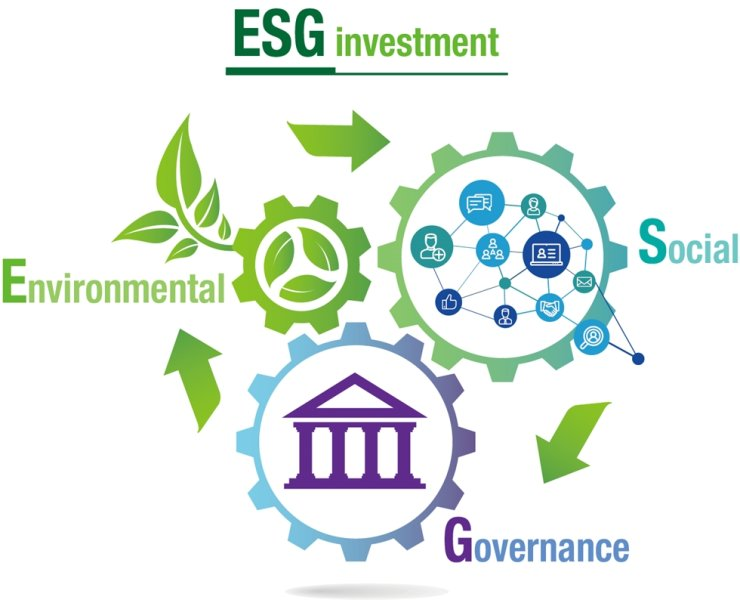 ESG investment
ESG , short of Environment, Social responsibility, and Corporate Governance, is an important standard that focuses on environmental protection, social responsibility and corporate governance, and meas...
-
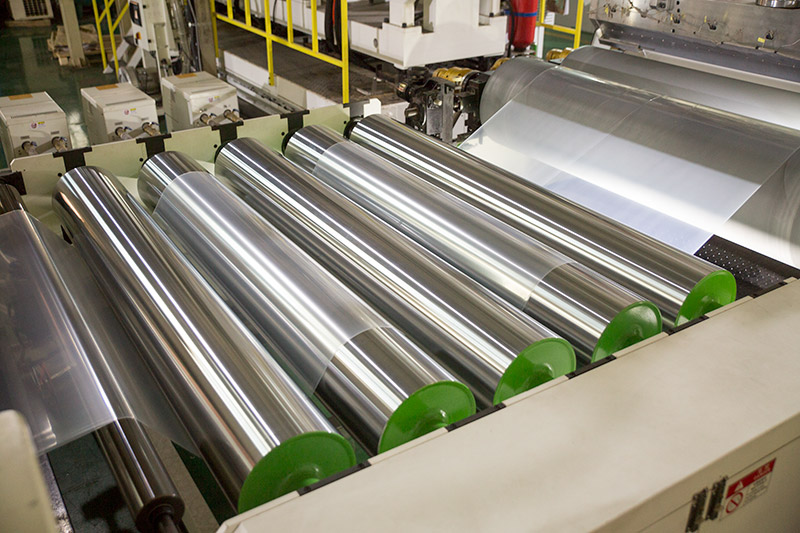 Application of TPU film in multiple industries
TPU film is an environmentally friendly film. Due to the large differences in the types and proportions of ingredients contained in it, it exists in various forms on the market and can be applied in m...
-
 TPU waterproof breathable membrane introduction and classification
TPU is the abbreviation of "Thermoplastic Urethane". TPU is made of diphenylmethane diisocyanate (MDI), toluene diisocyanate (TDI), polymer polyol and chain extender. Polymeric material. Its molecular...
-
 What is a nylon membrane?
Introduction to nylon membranes ● Definition and Basic Characteristics Nylon membranes are synthetic polymers widely used in various industries and scientific research due to their versatility and ef...



Copyright © Jiaxing Nanxiong Polymer Co., Ltd.TPU Film Manufacturer