


How does a TPU membrane enhance the durability of home textiles?
Introduction to TPU Membrane in Home Textiles
Thermoplastic polyurethane (TPU) membranes have become instrumental in enhancing the durability and performance of home textiles. With their unique properties, TPU membranes provide an ideal solution for manufacturers seeking to improve the quality of their textile products. This article delves into the various ways TPU membranes contribute to the durability of home textiles, highlighting the technical, aesthetic, and environmental advantages they offer. By integrating TPU membranes, textile manufacturers, especially in countries like China, can provide durable and high-quality products to both wholesale and retail suppliers.
Unique Properties of TPU Membranes
Flexibility and Elasticity
TPU membranes are renowned for their exceptional flexibility and elasticity. This characteristic allows them to stretch without breaking, making them suitable for various applications in home textiles, including bedding, upholstery, and curtains. Their ability to maintain structural integrity under stress contributes significantly to the longevity of textile products.
Chemical and Abrasion Resistance
Another critical feature of TPU membranes is their resistance to chemicals and abrasion. Home textiles often encounter spills and wear, and the integration of TPU membranes ensures that these textiles are protected from chemical damage and physical wear. The abrasion resistance of TPU is measured using standardized tests, such as the Martindale test, which demonstrates its capability to withstand extensive use without degradation.
Enhancing Durability in Home Textiles
Protection Against Wear and Tear
Daily use subjects home textiles to considerable wear and tear. TPU membranes enhance the durability of these products by providing a robust protective layer that resists tearing and wear. This added layer extends the life of textiles, offering better value to consumers and reducing the need for frequent replacements.
Resistance to Environmental Factors
Environmental factors such as UV radiation, moisture, and temperature fluctuations can adversely affect home textiles. TPU membranes boast UV stabilization and waterproof properties, which protect against fading and water damage. This resilience ensures textiles remain aesthetically pleasing and functional over time.
Waterproof and Breathable Qualities
Moisture Management
One of the standout qualities of TPU membranes is their ability to manage moisture efficiently. They are designed with microporous structures that allow water vapor to pass through while blocking liquid water. This feature is particularly beneficial for textiles like mattress protectors and pillow covers, where moisture control is critical for comfort and hygiene.
Balance Between Waterproofing and Breathability
The microporous structure of TPU membranes strikes a balance between waterproofing and breathability, ensuring that textiles remain comfortable even in humid conditions. According to the Journal of Membrane Science, TPU membranes can achieve moisture vapor transmission rates (MVTR) exceeding 5,000g/m²·24h, outperforming many traditional materials.
Impact on Textile Performance
Improved Comfort and Usability
TPU membranes enhance the comfort and usability of home textiles by maintaining softness and pliability. These qualities are vital in products like bed linens and upholstery, where the touch and feel are essential to consumer satisfaction. The inherent elasticity of TPU also ensures that textiles maintain their shape, reducing sagging and deformation.
Enhanced Safety Features
The safety of home textiles is a priority for manufacturers. TPU membranes contribute to safety by being inherently flame-retardant and resistant to bacterial growth. These properties make TPU-coated textiles ideal for environments that require stringent hygiene and safety standards, such as hospitals and care facilities.
Design and Aesthetic Benefits
Versatile Application in Textile Design
The versatility of TPU membranes allows them to be used in a wide range of textile applications without compromising aesthetics. They can be integrated into various fabric types, including cotton, polyester, and blends, offering designers the freedom to create innovative and stylish products that meet consumer demands.
Enhanced Color and Texture Retention
TPU membranes help preserve the color and texture of textiles, preventing fading and distortion over time. This retention is crucial in maintaining the visual appeal of home textiles, ensuring that they remain vibrant and attractive throughout their lifespan.
Technical Advantages of TPU Membranes
Customization and Adaptability
Manufacturers can customize TPU membranes to meet specific requirements, such as thickness, hardness, and elasticity. This adaptability makes TPU an ideal choice for various textile applications, ensuring that each product meets the necessary performance standards.
Seamless Integration with Manufacturing Processes
TPU membranes can be seamlessly integrated into existing manufacturing processes, such as lamination and coating. This compatibility facilitates the production of high-quality textiles without significant changes to established production lines, benefiting manufacturers in cost savings and efficiency.
Environmental and Market Considerations
Sustainability and Eco-Friendliness
With increasing awareness of environmental impact, TPU membranes are a sustainable choice for the textile industry. TPU is recyclable and free from harmful chemicals, making it an environmentally friendly option that aligns with global efforts to reduce carbon footprint.
Market Trends and Consumer Demand
The demand for durable and high-performance textiles is on the rise, particularly in wholesale markets. By incorporating TPU membranes, suppliers can meet consumer expectations for quality and sustainability, positioning themselves competitively in a growing market.
Research indicates that the global TPU film market is projected to grow at an average annual rate of 8.5% by 2030, with significant contributions from the textile sector. As consumer demands evolve, TPU membranes provide a strategic advantage for manufacturers and suppliers to capitalize on emerging trends.
Comparison With Traditional Materials
Advantages Over PVC and Other Coatings
Unlike traditional materials such as PVC, TPU membranes offer superior performance in terms of flexibility, durability, and environmental safety. PVC often contains harmful chemicals and can become brittle over time, while TPU remains flexible and robust, providing a safer and longer-lasting solution for home textiles.
Cost-Benefit Analysis
While TPU membranes may initially be more expensive than some alternatives, their superior durability and performance lead to long-term cost savings. Reduced replacement frequency and enhanced product quality provide better value for both manufacturers and consumers, especially in competitive wholesale markets.
Conclusion: Future of TPU in Home Textiles
The integration of TPU membranes into home textiles represents a significant advancement in enhancing product durability, performance, and sustainability. As the textile industry continues to evolve, TPU offers a versatile and robust solution that meets modern consumer demands. Manufacturers and suppliers, particularly in China, are well-positioned to leverage TPU membranes to produce high-quality textiles that align with market trends and ecological considerations.
nanxiongtpu Provide Solutions
Nanxiongtpu specializes in providing innovative TPU membrane solutions tailored to the home textile industry. With a focus on quality and performance, nanxiongtpu ensures that each product meets stringent standards of durability and sustainability. By partnering with us, manufacturers and suppliers gain access to cutting-edge materials that enhance textile quality and consumer satisfaction. Our expertise in TPU technology positions us as a leading supplier in the market, offering reliable and efficient solutions to meet diverse industry needs.
User hot search: TPU membrane for home textile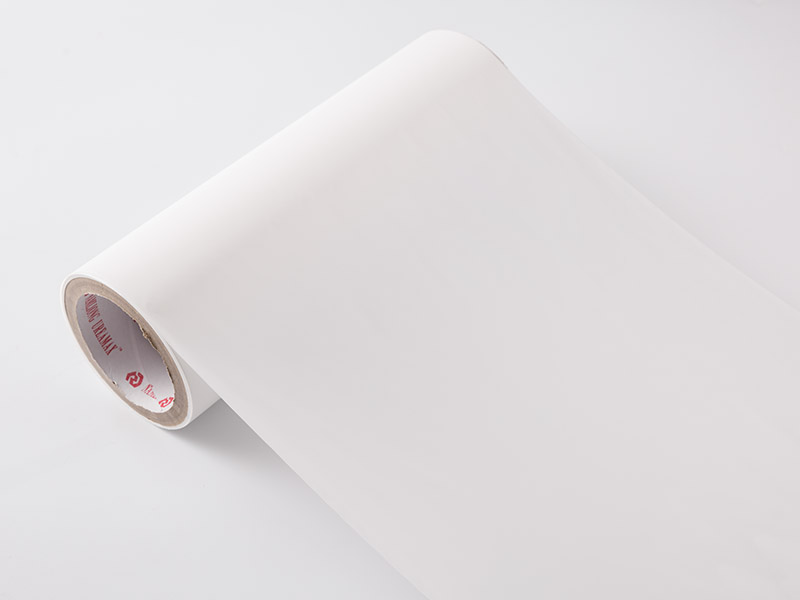
Featured News
-
 How is TPU membrane used in textiles
TPU membrane is commonly used in textiles as a laminate or coating to enhance the performance of fabrics. Here are some ways in which TPU membrane is utilized in textile applications: Waterproof and ...
-
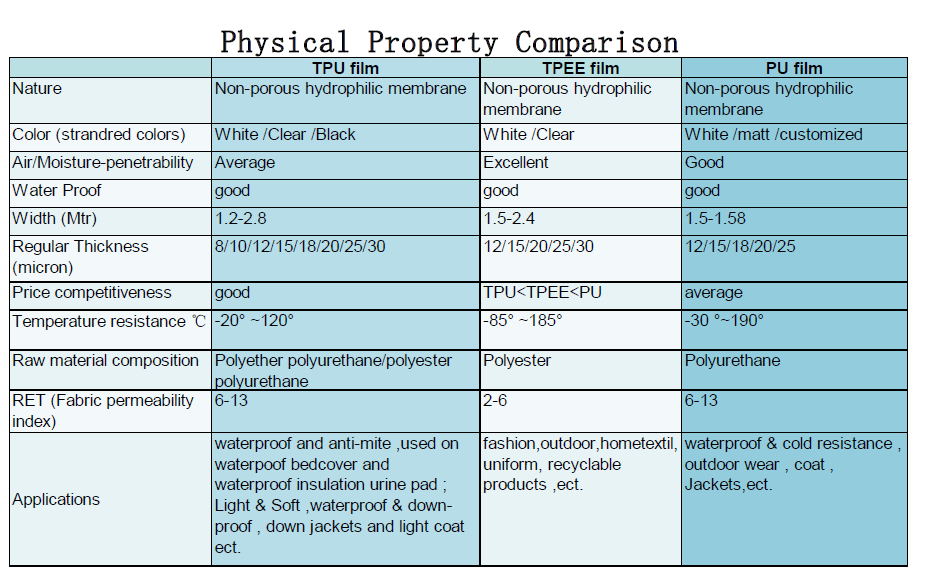 Comparison with other similar films
TPU,the abbreviation of "Thermoplastic Polyurethane", it has excellent high tension, high tensile strength, toughness and aging resistance. It is a mature environmentally friendly material, one of the...
-
 Characteristics of tpu composite membrane
TPU composite film is a thermoplastic TPU elastomer. It is made of MDI containing NCO functional group and POLYOL and 1.4BG containing OH functional group after extrusion and mixing. Because of its go...
-
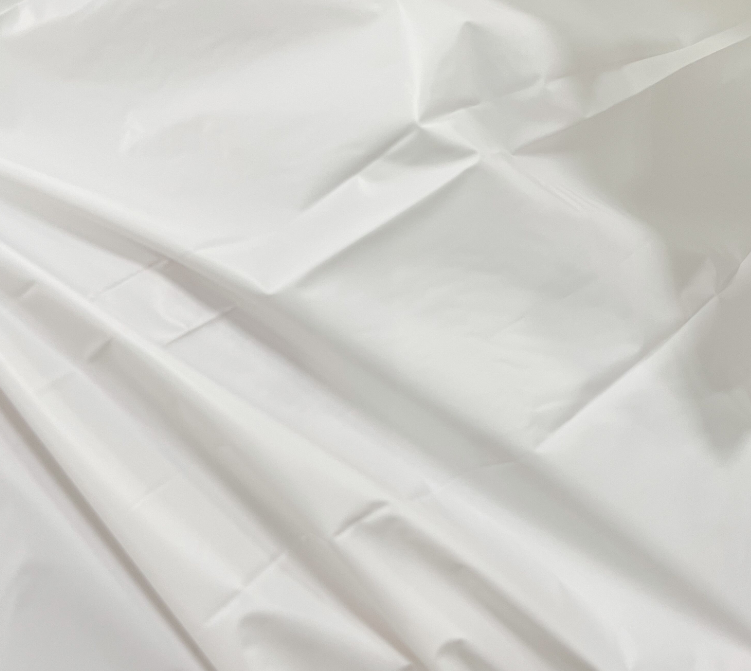 Advantages of TPU film for outdoor gloves
When it comes to outdoor activities, a suit of comfortable and professional gear can make you feel great. No matter hiking, skiing or just some activities adventuring, a pair of gloves is essential. O...
-
Can TPU be recycled?
Introduction to TPU: Composition and Uses ● Definition of Thermoplastic Polyurethane (TPU) Thermoplastic Polyurethane, commonly known as TPU, is a versatile and highly durable material used across a ...
-
 Choosing the Right Polyurethane Film for Your Project
When undertaking a project that requires the use of specialized films, opting for the right material is crucial for ensuring optimal performance and cost-effectiveness. Among the myriad of options ava...



Copyright © Jiaxing Nanxiong Polymer Co., Ltd.TPU Film Manufacturer